
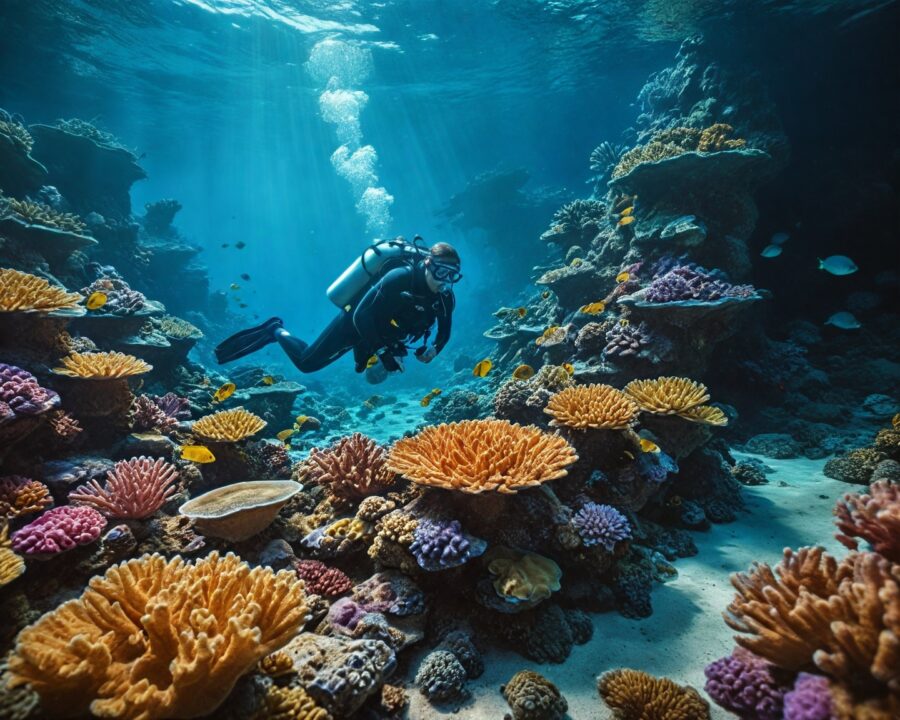
Underwater tourism, once the domain of professional divers and ocean explorers, is rapidly becoming one of the most sought-after travel experiences worldwide. As travel enthusiasts seek out new and unique experiences, the allure of discovering the ocean’s hidden wonders is capturing the imagination of adventurers around the globe. From the vibrant coral reefs teeming with colorful marine life to historical shipwrecks that tell stories of the past, the ocean offers an extraordinary underworld waiting to be explored. The concept of underwater tourism encompasses various activities, including snorkeling, scuba diving, submarine tours, and even staying in underwater hotels, each offering a distinctive way to interact with marine environments.
The increasing popularity of underwater tourism can be attributed to several factors. Advances in diving technology and equipment have made these experiences more accessible and safer for the average traveler. Moreover, a growing awareness of marine conservation efforts has inspired people to engage with the underwater world responsibly. Furthermore, social media platforms have played a crucial role in spreading the visual splendor of these experiences, sparking interest and envy among travelers. As more destinations develop infrastructures that cater to marine tourism, the opportunities to explore the underwater realm continue to expand, drawing tourists from all corners of the world.
Top Destinations for Underwater Tourism Around the World
As underwater tourism gains popularity, certain destinations have emerged as prime spots for exploring the depths. These locales offer exceptional underwater experiences, combining natural beauty, biodiversity, and cultural heritage.
Great Barrier Reef, Australia
The Great Barrier Reef in Australia is a bucket-list destination for many underwater tourists. This UNESCO World Heritage site spans over 2,300 kilometers and is home to an incredible diversity of marine life, including over 1,500 species of fish and 400 types of coral. Snorkelers and divers can explore colorful coral gardens, encounter majestic sea turtles, and possibly spot reef sharks or even dolphins.
Maldives
The Maldives, with its crystal-clear waters and abundant marine life, offers a range of underwater opportunities. The atolls and islands scattered across the Indian Ocean boast world-class diving sites. Visitors can swim alongside manta rays, witness vibrant coral, and marvel at the multitude of tropical fish. The underwater visibility here is exceptional, making it a prime destination for both novice and experienced divers.
Galápagos Islands, Ecuador
Renowned for biodiversity, the Galápagos Islands provide spectacular underwater exploration opportunities. Diving or snorkeling here means encountering unique species such as the Galápagos penguin, marine iguanas, and hammerhead sharks. The islands’ rich marine ecosystems are protected, ensuring a healthy environment that supports diverse aquatic life.
Unique Underwater Attractions: Hotels, Museums, and More
Underwater tourism has expanded beyond traditional activities, with innovative attractions that allow tourists to immerse themselves deeper into the marine environment. Among the most fascinating of these are underwater hotels, museums, and art installations.
Underwater Hotels
For those seeking a unique accommodation experience, underwater hotels provide luxury amidst marine splendor. Resorts such as the Conrad Maldives Rangali Island have underwater suites that feature spectacular views directly into the ocean. Guests can experience the tranquility of the sea while observing marine life from the comfort of their bedrooms.
Underwater Museums
Underwater museums are gaining traction as an intriguing concept, merging art with marine conservation. The Museo Atlántico in Lanzarote, Spain, features sculptures submerged in the ocean, creating artificial reefs that attract marine life. These installations invite exploration, offering both aesthetic and educational encounters.
Art Installations and Sculptures
Initiatives such as Jason deCaires Taylor’s underwater sculptures use art to foster ecological awareness. These artworks not only provide visual interest but also help support marine ecosystems by encouraging coral growth and providing habitat for underwater creatures.
The Role of Technology in Enhancing Underwater Experiences
Technology has revolutionized how we explore the underwater world, making it more accessible and enriched. From advanced gear to virtual reality experiences, technological innovations are central to the development of underwater tourism.
Diving Equipment and Safety
Modern advances in diving equipment, such as improved wet and dry suits, enhanced oxygen tanks, and smart dive computers, have made underwater explorations more enjoyable and safer. These tools allow divers to spend more time underwater while maintaining optimal safety conditions.
Submarines and Underwater Vehicles
For those not inclined towards diving, small submarines and underwater vehicles offer an alternative way to explore the ocean’s depths. These vessels provide panoramic views and can reach deeper parts of the ocean, once inaccessible to recreational explorers.
Virtual Reality and Augmented Reality
Virtual reality (VR) and augmented reality (AR) are breaking barriers by creating digital underwater experiences. VR headsets can transport users into immersive marine environments, while AR apps enhance real-life dives with digital overlays, adding an educational layer to adventures.
Environmental Impact and Sustainability in Underwater Tourism
With the growing interest in marine tourism, ensuring sustainable practices is vital to protecting marine ecosystems. Responsible tourism can promote conservation efforts and support biodiversity.
Marine Conservation Initiatives
Many underwater tourism operators engage in conservation efforts to preserve the environments on which their businesses depend. This includes funding coral regeneration projects, organizing cleanup dives, and educating tourists about marine ecology.
Balancing Tourism and Conservation
Striking a balance between tourism and environmental stewardship is crucial. Destinations are implementing measures such as visitor limits, strict diving and snorkeling guidelines, and eco-certifications for operators to mitigate impacts on fragile ecosystems.
Certification Programs
Certification programs such as Green Fins help diver operators maintain high environmental standards. By adhering to eco-friendly practices, operators not only help conserve the marine environment but also become attractive to eco-conscious travelers.
Safety Tips and Guidelines for Underwater Exploration
Safety is paramount in underwater tourism to ensure enjoyable experiences without compromising well-being. Adhering to safety guidelines helps mitigate risks associated with underwater activities.
Pre-Trip Preparations
Prior to undertaking any underwater activity, it’s crucial to be in good physical health, take a comprehensive diving course, and familiarize oneself with the chosen location’s specific conditions, including currents and depth.
During the Dive
Once underwater, maintaining buoyancy control and staying with your dive group are essential safety practices. Divers should regularly monitor their air supply, avoid risky underwater behavior, and never touch marine animals or corals.
Emergency Procedures
Understanding emergency procedures is critical. Dive tourists should familiarize themselves with hand signals, practice emergency ascents, and constantly be aware of their surroundings to preemptively avoid hazardous situations.
How to Prepare for Your First Underwater Tourism Adventure
Embarking on your first underwater adventure can be an exhilarating yet daunting prospect. Proper preparation ensures a safe and enjoyable experience.
Selecting the Right Destination
Choosing a destination that matches your skill level and interests is fundamental. Beginners might prefer locations known for calm, shallow waters, while experienced divers might seek out regions with more challenging sites.
Packing Essentials
Packing appropriately for an underwater excursion is vital. Items such as a high-quality mask and snorkel, a breathable wetsuit, reef-safe sunscreen, and waterproof cameras enhance the experience and ensure comfort.
Training and Certification
For those considering scuba diving, obtaining a certification from a reputable organization such as PADI is recommended. This certification provides essential skills and knowledge required for safe diving practices.
The Benefits of Underwater Tourism for Mental Health and Relaxation
Underwater tourism offers more than just physical activity; it can also provide mental health benefits, contributing to overall well-being.
Stress Relief
The immersive nature of underwater experiences offers a respite from the hustle and bustle of everyday life. The feeling of weightlessness and gentle ocean currents can induce relaxation, lowering stress levels and promoting tranquility.
Connection with Nature
Exploring the underwater world fosters a deep connection with nature, encouraging mindfulness and presence. Observing marine life in its natural habitat can evoke a sense of wonder and gratitude.
Enhanced Focus and Clarity
The necessity of concentrating on the task at hand while diving or snorkeling can improve mental clarity. This focused attention helps block out distractions and may lead to enhanced cognitive function over time.
Common Concerns and Misconceptions About Underwater Tourism
Despite its appeal, underwater tourism is often accompanied by concerns and misconceptions that may deter potential adventurers.
Fear of the Unknown
Fear of the unknown underwater environment is a common concern. However, proper education, experienced guides, and immersive training can significantly alleviate these fears.
Environmental Concerns
Some worry about the environmental impact of underwater tourism. While there are legitimate concerns, responsible tourism practices and adherence to conservation measures can minimize negative impacts.
Cost and Accessibility
A misconception persists that underwater tourism is prohibitively expensive and only accessible to seasoned divers. However, there are a range of options available for different budgets and skill levels, from affordable snorkeling tours to more upscale experiences.
Future Trends and Innovations in Underwater Tourism
The future of underwater tourism promises exciting innovations that will continue to transform the industry. Technological advancements and creative endeavors are set to expand possibilities even further.
Advanced Underwater Robotics
Robotics are likely to play a significant role in the future of underwater tourism. These technologies could offer more guided tours and exploratory options in previously unreachable locations, making underwater exploration even more inclusive.
Eco-Friendly Initiatives
As environmental concerns grow, the industry is expected to pivot towards more sustainable practices. This trend includes the development of eco-friendly underwater vehicles and the implementation of zero-impact tourism strategies.
Integration of AI and Machine Learning
Artificial intelligence and machine learning could revolutionize underwater exploration. These technologies could offer real-time translations of marine communication, customized tour experiences, and advanced environmental data collection.
FAQ
How can I start with underwater tourism?
Starting with underwater tourism is best done by first selecting an activity you’re interested in, such as snorkeling or scuba diving. Then, choose a destination that suits your skill level and seek proper training or guided tours from certified professionals.
Is underwater tourism safe?
Yes, underwater tourism is generally safe, provided that individuals follow recommended safety guidelines, use appropriate equipment, and travel with experienced operators. Prior training and certification, particularly in scuba diving, greatly enhance safety.
What should I pack for an underwater tourism trip?
Essential items include a diving mask, snorkel, wetsuit, reef-safe sunscreen, waterproof bag, and camera. It might also be helpful to bring an underwater identification guidebook and a secure case for valuables.
Can children participate in underwater tourism activities?
Many activities, like snorkeling, are suitable for children, particularly in calm, shallow waters. Scuba diving typically has age restrictions, so it’s essential to check specific requirements and provide adequate supervision.
What are the environmental impacts of underwater tourism?
Underwater tourism can have both positive and negative impacts. Positive impacts include increased awareness and support for conservation efforts. Negative impacts may occur if activities disrupt ecosystems, emphasizing the need for eco-conscious practices.
How expensive is underwater tourism?
Costs vary widely depending on the destination, activity, and duration of the experience. Affordable options are available, such as day snorkeling trips, whereas luxury underwater hotels and customized diving tours can be more expensive.
Can non-swimmers enjoy underwater tourism?
Non-swimmers can still participate in certain activities, such as glass-bottom boat tours or submarine rides, which allow them to experience underwater wonders without getting wet.
Recap
In summary, underwater tourism is an ever-growing industry that offers unique and memorable experiences. With destinations like the Great Barrier Reef and the Maldives, tourists can witness extraordinary marine biodiversity. Technology plays a crucial role in enhancing these experiences, though it is imperative to consider environmental impact and practice sustainable tourism. Safety and preparation are key to ensuring an enjoyable adventure, with benefits extending to mental wellness. Despite some concerns and misconceptions, the future of underwater tourism promises even more accessibility and innovation.
Conclusion
Underwater tourism opens a window into a world that is as mysterious as it is beautiful. It invites us to step out of our comfort zones and explore the marvels beneath the ocean’s surface. Whether it is the awe-inspiring sights of a coral reef, the thrill of diving among historical shipwrecks, or the serenity of an underwater hotel stay, each experience promises to create lasting memories.
As the industry develops, balancing human curiosity with environmental conservation will be paramount. By promoting sustainable practices and responsible tourism, we ensure that these marine wonders remain for future generations to explore and enjoy. As we look to the future, underwater tourism stands poised to offer unparalleled opportunities for adventure, learning, and personal growth.
References
- National Geographic. “The Essential Guide to Marine Life of the Great Barrier Reef.”
- PADI. “Scuba Diving and Continuing Education Courses.”
- UNESCO World Heritage Centre. “Great Barrier Reef: World Heritage Listing.”