
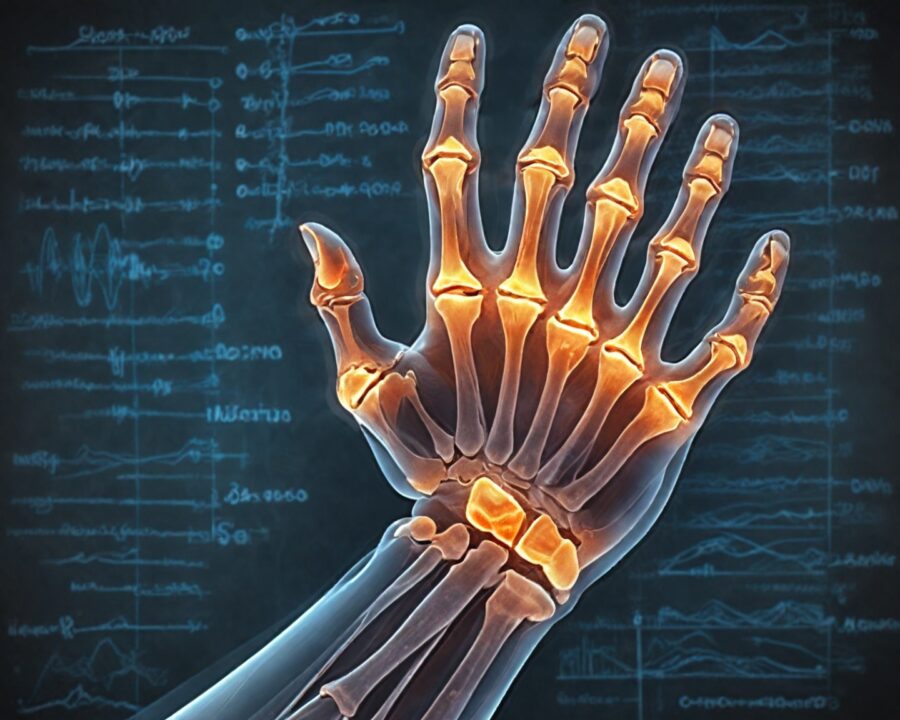
Understanding the nuances of bone density disorders is crucial for those who are impacted by these rare conditions. These disorders not only affect physical health but can significantly influence quality of life, especially since bone health is the foundation of mobility and strength. Although osteoporosis is the most commonly known condition, there are rarer bone density disorders that are often more severe and require a nuanced understanding to manage effectively.
The exploration of rare bone density traits encompasses understanding the genetic and environmental factors that contribute to these disorders. Scientific and medical advancements have provided insights into the diagnosis and treatment options available, but challenges remain in understanding their full impact. By delving into the causes, symptoms, and management strategies, individuals affected by these conditions can gain valuable knowledge to navigate their daily lives.
What are rare bone density traits?
Rare bone density traits are conditions that affect the strength and density of the bones, often making them more susceptible to fractures and other complications. Unlike common conditions like osteoporosis, these rare disorders might involve both genetic mutations and systemic diseases, leading to atypical bone formations and resorption rates.
These rare traits include but are not limited to conditions like Osteogenesis Imperfecta, Paget’s disease, and Chronic Recurrent Multifocal Osteomyelitis. Each condition manifests differently, with some presenting at birth or developing during adulthood. Understanding these rare traits involves exploring their complex etiologies and multifactored impacts on individuals’ health.
Additionally, rare bone density traits can often be misunderstood due to their infrequency and complexity. They frequently require specialized medical attention and tailored treatment plans, as standard bone health recommendations might not suffice.
Common genetic causes of bone density disorders
Genetic factors play a significant role in the development of rare bone density disorders. Many of these conditions are inherited in Mendelian patterns, which include autosomal dominant, autosomal recessive, or X-linked inheritance.
Osteogenesis Imperfecta, for example, often stems from mutations in the COL1A1 or COL1A2 genes, which affect collagen production and lead to brittle bones. Similarly, other genetic conditions like Pycnodysostosis result from mutations in the CTSK gene, impacting bone remodeling.
A better understanding of these genetic components has been facilitated by advances in genetic testing and genomic studies. These tools have proven invaluable for identifying gene mutations and understanding their mechanisms of action, thus paving the way for more precise treatments and management strategies.
Symptoms and signs of rare bone density conditions
Those affected by rare bone density disorders might initially present with symptoms that are easily overlooked or attributed to other ailments. Common signs include frequent fractures from minor trauma, bone pain, and abnormal skeletal growth patterns.
Moreover, symptoms might extend beyond physical characteristics. Patients could experience fatigue, mobility issues, and complications related to other organs due to distorted bone structure or marrow abnormalities. For instance, in Osteopetrosis, excessive bone density can impact neural canals, leading to neurological symptoms.
Due to the subtlety and complexity of symptoms, early detection and comprehensive diagnosis are crucial in managing these conditions effectively. Recognizing and understanding the array of possible symptoms can lead to earlier interventions and improved quality of life.
How rare bone density traits are diagnosed
Diagnosing rare bone density disorders involves a combination of clinical evaluation, imaging techniques, and genetic testing. Physicians look for a history of frequent fractures, scrutinize family medical history, and conduct physical examinations as initial diagnostic steps.
Imaging studies such as X-rays, CT scans, and MRIs play a critical role in visualizing bone structure and identifying abnormalities. These techniques help in assessing bone density and quality, which are crucial for a comprehensive diagnosis.
Furthermore, genetic testing aids in pinpointing specific mutations associated with rare bone density disorders. This level of precision is essential for accurate diagnosis and helps in defining tailored treatment pathways for affected individuals.
| Diagnostic Tool | Purpose | Pros | Cons |
|---|---|---|---|
| X-ray | Visualize bone structure | Widely available | Less detailed for soft tissues |
| CT Scan | Detailed cross-sectional images | High precision | Higher radiation exposure |
| MRI | Soft tissue and bone marrow imaging | No radiation | More costly |
| Genetic Testing | Identify genetic mutations | High specificity | Limited availability |
Impact of bone density disorders on daily life
The impact of rare bone density disorders extends beyond physical limitations, significantly affecting individuals’ psychosocial well-being and daily interactions.
Physical impacts include restricted movement, chronic pain, and an increased risk of fractures, which can lead to frequent hospital visits or surgery. Additionally, the unpredictability of symptoms can hinder participation in everyday activities, work, and social events, leading to feelings of isolation or depression.
Living with such conditions often requires comprehensive life adjustments, such as home modifications, assistance devices, and tailored exercise routines to maintain mobility while minimizing risks. Addressing these challenges holistically enables individuals to lead more fulfilling lives despite their conditions.
Treatment options for rare bone density conditions
Treating rare bone density disorders often necessitates a multi-pronged approach to manage symptoms appropriately and improve bone health.
Pharmacological treatments might include bisphosphonates to increase bone density or calcitonin to regulate bone metabolism. In some cases, newer biological agents and gene therapies are being explored as potential treatments due to their ability to target specific pathways involved in bone remodeling.
Surgical interventions may also be necessary to correct deformities or stabilize fractures. Advances in orthopedic surgery have resulted in improved outcomes for these procedures.
Overall, the choice of treatment depends on the specific condition and individual patient needs. It’s crucial to approach treatment plans dynamically and incorporate regular monitoring to assess efficacy and adjust as necessary.
The role of nutrition in managing bone health
Nutrition plays a pivotal role in managing bone density disorders, as adequate nutrient intake supports overall bone health. Essential nutrients include calcium and vitamin D, which are foundational to bone density, ensuring proper bone formation and mineralization.
A diet rich in foods containing these nutrients is recommended, including dairy products, leafy greens, nuts, and fish. For those with specific dietary restrictions or absorption issues, supplements might be necessary to meet nutritional needs.
Beyond these nutrients, a balanced diet incorporating other vitamins and minerals such as magnesium and phosphorus also supports the structural integrity of bones. By aligning nutritional intake with individual health requirements, individuals can optimize their bone health and mitigate some symptoms of rare bone density disorders.
Advancements in research on bone density disorders
Research into bone density disorders continues to evolve, with scientists exploring new therapies and better understanding of the genetic basis of these conditions. Recent advancements include the development of gene editing technologies, such as CRISPR, which hold promise for correcting genetic anomalies directly.
Additionally, stem cell research offers potential for promoting bone regeneration and repair, providing alternative treatments for those who don’t respond to conventional therapies. These cutting-edge studies are pushing the boundaries of current medical capabilities and providing hope for more effective, personalized treatments in the future.
Researchers also focus on biomarkers for early detection, which can lead to improved outcomes through timely intervention. As research progresses, so does the opportunity for those living with rare bone density disorders to experience enhanced quality of life.
Frequently asked questions about rare bone density traits
What are rare bone density disorders?
Rare bone density disorders are conditions affecting the strength and density of bones due to genetic mutations or systemic diseases. They include diseases like Osteogenesis Imperfecta and Paget’s disease.
How are these conditions diagnosed?
Diagnosis typically involves a combination of clinical evaluation, imaging, and genetic testing to identify abnormalities in bone density and structure.
What treatments are available?
Treatments may include medications to strengthen bones, surgical interventions, and lifestyle modifications. Newer therapies such as gene editing are also under investigation.
Can diet impact bone density disorders?
Yes, nutrition is vital in managing bone disorders. Adequate intake of calcium, vitamin D, and other nutrients supports bone health and can help manage symptoms.
Are bone density disorders hereditary?
Many bone density disorders are hereditary, often passed down in families through genetic mutations. Genetic counseling is recommended for affected families.
Practical tips for living with rare bone density conditions
- Adopt a balanced diet: Integrate bone-supportive nutrients into your meals and consider supplements if needed.
- Engage in appropriate physical activity: Focus on strength-building and balance-improving exercises, avoiding high-impact activities.
- Ensure home safety: Modify living spaces to reduce fall risks and use supportive devices as necessary.
- Regular health check-ups: Schedule routine visits with healthcare providers for continuous monitoring and treatment updates.
- Seek support: Join support groups or counseling to cope with the emotional impact and connect with others in similar situations.
Recap
In summary, rare bone density disorders are complex conditions requiring a comprehensive understanding of their genetic causes, diagnosis, and treatment options. They significantly influence daily life, highlighting the importance of an integrated approach in management, which includes medical, nutritional, and psychological interventions. Advancements in research continue to offer hope for improved therapies, but practical strategies remain crucial in navigating the challenges associated with these disorders.