
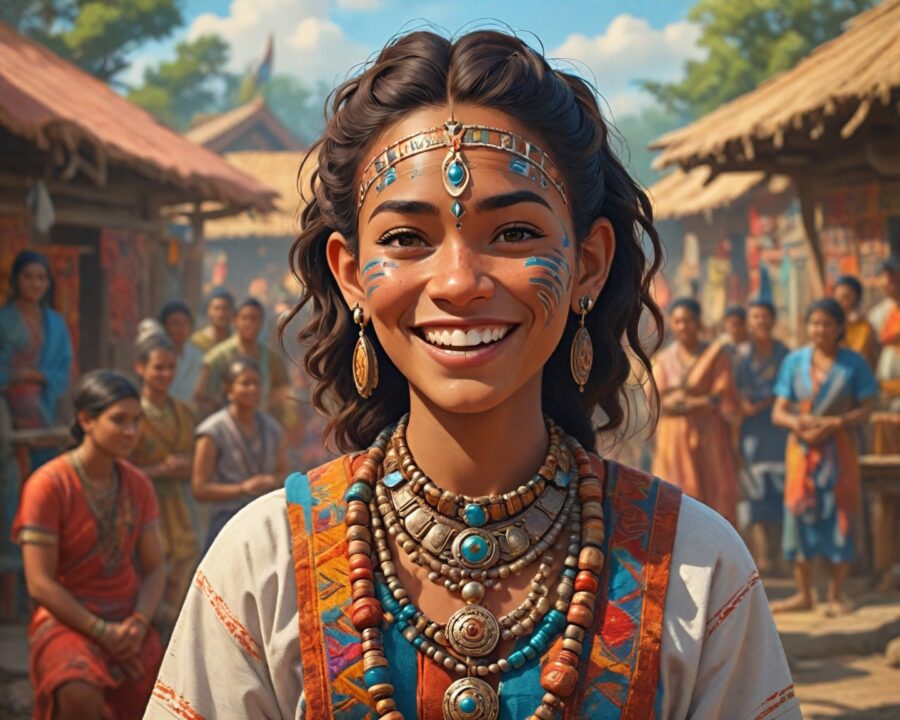
Introduction to Tribal Marks and Their Origins
Tribal marks are an ancient form of body modification that have long carried deep cultural significance across various societies. These marks, often in the form of scars, cuts, or tattoos, serve as indelible symbols of identity, heritage, and status. Traditionally, tribal marks have been used to denote membership in certain tribal groups, acting as a visual language by which individuals could express their unique cultural narratives. Within many communities, these marks are seen not just as physical decorations but as reflections of the individual’s history and lineage.
The origins of tribal marks can be traced back to numerous indigenous groups across Africa, Asia, and the Americas, each with its own unique traditions and techniques. While the practice is often associated with African cultures, it is important to note that similar traditions have existed globally. The methods and meanings behind these marks vary significantly, influenced by local customs, spiritual beliefs, and historical contexts. Despite their various origins, the shared thread among these practices is the deep-rooted connection between the marks and the identities they help to forge.
The Role of Tribal Marks in Cultural Identity
In many societies, tribal marks function as a crucial element of cultural identity, serving both personal and communal purposes. For the individual, these marks can represent a rite of passage, signifying the transition from childhood to adulthood, or from one social status to another. They often carry personal narratives that encapsulate pivotal moments in a person’s life, such as achievements, marriages, or affiliations with certain groups.
From a communal perspective, tribal marks are a powerful tool for promoting social cohesion and continuity. They create a visible bond among group members and help to preserve cultural heritage by ensuring that traditions are passed down through generations. In times when written language was scarce or non-existent, these marks also served as a form of record-keeping, chronicling the lineage and histories of entire tribes.
Moreover, tribal marks can also play an important role in broader social dynamics, helping individuals navigate interactions within and outside their own communities. In many cases, these marks can act as deterrents to outsiders by clearly identifying belonging and enhancing group solidarity.
Historical Significance of Tribal Marks Across Regions
Throughout history, tribal marks have evolved in response to changing social, political, and cultural landscapes. In Africa, for example, the use of scarification was integral to the identity of many ethnic groups. It served not only as a symbol of beauty and strength but also as a means of survival during periods of conflict, enabling warriors to be recognized by their kin during battles.
In other parts of the world, such as among Native American tribes, similar practices were adopted for both aesthetic and ritualistic purposes. Tattoos and body paintings were used in ceremonies, depicting stories of bravery, spirituality, and connection to the natural world. The motifs used often carried multi-layered meanings, speaking to both the individual’s journey and the collective experiences of their people.
As colonization spread, many indigenous practices, including the art of tribal marking, faced suppression. However, the resilience of these cultural traditions is evident in their continued presence today, as many groups work diligently to preserve and revive these important aspects of their heritage.
Different Types of Tribal Marks and Their Meanings
The types of tribal marks vary widely across different cultures, each with its own distinct meanings and significance. These marks can be broadly categorized into scars, tattoos, and paintings, each with a unique technique and purpose.
| Type | Technique | Purpose/Meaning |
|---|---|---|
| Scarification | Cutting or etching | Denoting tribal affiliation, rites of passage |
| Tattoos | Ink insertion | Personal achievements, spiritual symbols |
| Body Painting | Dye or paint application | Ritual or ceremonial significance |
Scarification often involves making intentional cuts on the skin to create raised scars that form intricate patterns. These scars are not merely decorative but serve as lifelong badges of identity and social status.
Tattoos, on the other hand, involve the insertion of ink into the skin to create permanent designs. The motifs can range from simple geometric shapes to complex depictions of animals, gods, or natural phenomena, often reflecting personal beliefs or accomplishments.
Body painting is commonly used in ritualistic contexts, employing natural dyes and paints to embellish the body temporarily. This practice often coincides with specific events, such as ceremonies or dances, highlighting the wearer’s role and significance in the event.
The Process and Techniques of Creating Tribal Marks
The process of creating tribal marks is deeply embedded in rituals and traditions, with various techniques employed depending on the type of mark. Scarification, for example, often begins with a ceremonial gathering where community members and family come together to support the initiate. The process usually involves:
- Preparing the Skin: The skin is cleansed and sometimes treated with herbs or oils to reduce discomfort.
- Cutting: Using sharp instruments, the skin is cut or pierced in specific patterns.
- Healing: Natural substances, such as ash or plant extracts, are applied to the wounds to encourage healing and enhance the scar’s appearance.
Tattoos involve similar steps, though the focus is on inserting pigments beneath the skin’s surface through repeated punctures. Unlike scarification, tattoos are often executed by skilled artisans with specialized tools, such as needles or bamboo sticks.
Body painting, in contrast, is a less invasive form of marking, often applied with brushes or by hand. The paints used are typically derived from locally sourced pigments mixed with binding agents to ensure durability and vibrancy for the duration of the event.
Controversies and Debates Surrounding Tribal Marks
While tribal marks hold deep cultural significance, they are not without controversy. Criticism often centers on the ethical implications, particularly concerning children’s rights and bodily autonomy. In many societies, marks are applied to young children, raising questions about consent and the long-term psychological impacts of such practices.
Additionally, the aesthetic value of tribal marks can be contentious. As modern beauty standards evolve, traditional markings may be perceived as outdated or undesirable, leading to cultural stigmatization. This shift in perception can create tensions within communities as younger generations grapple with the balance between modernity and tradition.
There is also a broader debate surrounding cultural appropriation and the commercialization of tribal marks. The use of these traditional designs in fashion and art by outsiders can dilute their cultural significance, prompting conversations about respect and ownership of cultural heritage.
Modern Perspectives on Tribal Marks and Identity
In contemporary society, the perception of tribal marks is undergoing a significant transformation. While some view these marks as relics of the past, others see them as vital expressions of cultural identity and pride. This renewed interest in tribal marks is spurred by a growing movement to reclaim and celebrate indigenous heritage, particularly among diaspora communities.
For many, tribal marks have become a means of asserting identity in multicultural settings, allowing individuals to visibly connect with their roots amidst a backdrop of globalized influences. This resurgence is not only about preserving tradition but also about adapting these symbols to fit modern narratives and sensibilities.
Moreover, the dialogue around tribal marks is increasingly inclusive, inviting voices from across generations and cultural intersections to participate in the conversation. This collaborative approach aims to redefine what these marks mean today, ensuring their relevance for future generations.
Preservation of Tribal Marking Traditions in Contemporary Society
Efforts to preserve tribal marking traditions are being spearheaded by both indigenous communities and cultural organizations. Initiatives are focused on documenting traditional techniques and meanings, often through digital platforms or cultural festivals.
Educational programs are also crucial, providing younger generations with the knowledge and skills to carry these traditions forward. Workshops on traditional marking methods, storytelling sessions, and art exhibits are being employed to generate interest and engagement within and outside the communities.
Incorporating tribal marks into contemporary art and fashion has also proven effective in keeping these traditions alive, offering innovative ways to blend age-old practices with modern aesthetics. This fusion not only honors the past but ensures that tribal marks continue to inspire and resonate with new audiences.
Common Questions About Tribal Marks and Their Relevance Today
What are tribal marks?
Tribal marks are body modifications used by various cultures to signify belonging, cultural identity, and personal history. They can take the form of scars, tattoos, or body paintings, each with its own cultural significance and methods of application.
Are tribal marks still used today?
Yes, tribal marks are still used by many communities around the world. While their traditional forms and meanings may have evolved, they continue to be a vital expression of cultural identity and heritage.
Why are tribal marks controversial?
Tribal marks are controversial due to concerns about consent, particularly when applied to children, and the potential for cultural appropriation. Additionally, shifting beauty standards can influence perceptions of these marks, impacting their acceptance within and outside their originating communities.
How are tribal marks made?
The techniques for creating tribal marks vary. Scarification involves cutting the skin, tattoos require the insertion of ink, and body paintings use dyes. Each method is deeply tied to cultural rituals and meanings.
What is being done to preserve tribal marking traditions?
Efforts to preserve these traditions include educational programs, cultural festivals, and integration into modern art and fashion. These initiatives aim to document traditional methods and celebrate the cultural significance of tribal marks.
Recap
Tribal marks hold profound cultural significance, serving as enduring symbols of identity and heritage across various societies. From their origins as markers of tribal affiliation to their role in individual and communal identity, these marks have maintained their relevance throughout history. While controversies exist surrounding their use, particularly concerning consent and cultural appropriation, modern perspectives are increasingly embracing these marks as vital expressions of identity. Preservation efforts continue to ensure that tribal marking traditions are cherished and adapted for future generations, highlighting the importance of understanding and respecting these unique cultural practices.