
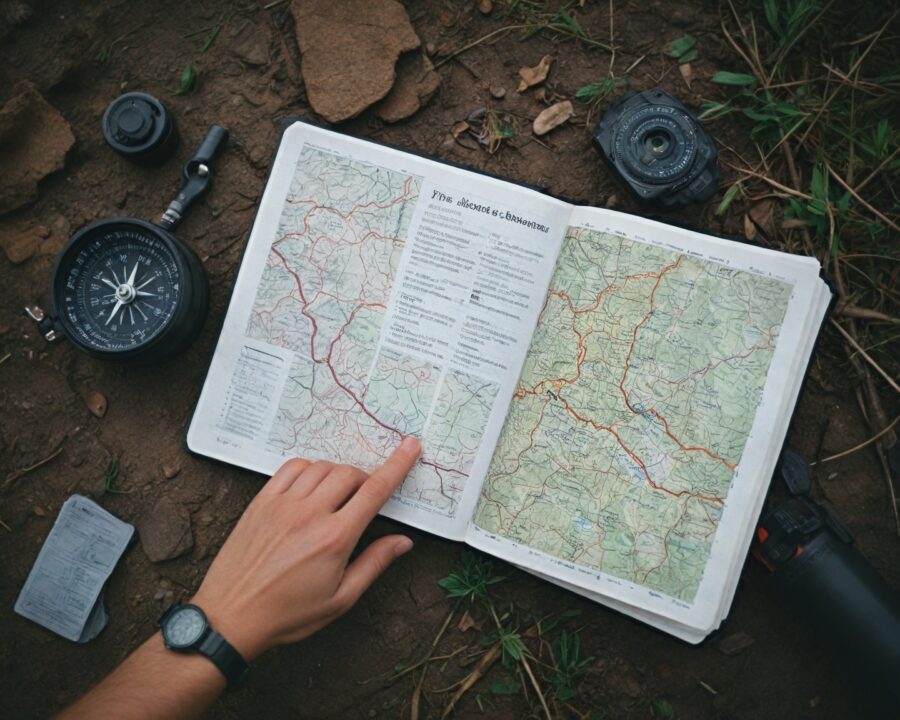
In today’s fast-paced world, the need to swiftly adapt to unexpected situations has become more important than ever. From natural disasters to unexpected wilderness adventures, survival skills can transform dangerous situations into merely challenging ones. Whether you’re an outdoor enthusiast, a prepper, or someone who simply enjoys learning about self-reliance, these survival facts provide a foundation for being prepared when things go awry. This article explores some crucial wilderness survival tips that are essential in any survival scenario.
Understanding the necessities for survival is not only about the gear you carry but also about how you harness the environment and your resourcefulness. The ability to respond effectively to survival situations involves a mix of knowledge, skills, and adaptability. This guide serves as a comprehensive starting point, covering everything from essential gear to mental resilience, ensuring you can handle any situation life throws your way.
Introduction to Survival Basics
Survival basics revolve around the core principles that sustain life—shelter, water, food, and the ability to navigate and remain healthy. These principles are universally applicable and form the foundation upon which all survival skills are built. Understanding the four key aspects of survival—shelter, water, fire, and food—enables you to prioritize your needs and make informed decisions under pressure.
In any survival scenario, the immediate need is to create a safe environment. Shelter protects you from the elements, keeping your body temperature regulated, a priority when survival timeframes extend from hours to days. Another non-negotiable is finding or purifying water; your body needs water more than food in the short term to function optimally. Fire is another multifunctional tool, used for warmth, cooking food, purifying water, and signaling for help. Lastly, food becomes critical when facing extended situations, where sustaining energy levels is vital for long-term survival.
Practice and preparation are equally important components of survival. Much like any other skill, knowing what to do is not as beneficial as being able to do it under pressure. This requires practice in non-threatening situations to adequately prepare for real-life scenarios. Learning to adapt quickly and efficiently, while using both man-made and natural resources, can dramatically increase your odds of survival.
Essential Survival Gear and Tools
Having the proper gear can significantly enhance your ability to survive demanding situations. While the environment and scenario will dictate specific needs, a handful of essential tools and pieces of equipment can universally improve your chances of survival. These include a multi-tool, reliable fire starters, water purification systems, signaling devices, and a durable rope.
A multi-tool is the Swiss Army Knife of survival, fitting several essential tools such as a knife blade, pliers, screwdrivers, and scissors into one compact device. This combination of tools is critical for building shelters, preparing food, and other necessary tasks. Fire-starting equipment, like waterproof matches or a ferrocerium rod, ensures that you can create warmth, cook meals, and produce smoke signals in emergencies.
Water purification is paramount, and carrying items such as portable filters, purification tablets, or a UV purifier can save lives. Access to clean water can’t be overstated, as dehydration and waterborne diseases pose serious threats. Signal devices, including signal mirrors, whistles, or even brightly colored panels, make you more visible to rescuers. Durable ropes, like paracord, provide endless utility—from building shelters to securing gear. Equip your survival kit with these essentials, and you’ll be prepared for numerous adverse circumstances.
How to Find Food and Water in the Wild
In survival situations, your first focus is establishing a water source because dehydration can become life-threatening in just a few days. Finding water in the wild often starts with using natural indicators such as observing animal trails or flocks of birds, which typically lead to water sources. Searching low ground areas, valleys, or following green vegetation often results in discovering streams or pools. Sometimes, collecting dew or rainfall with improvised containers can sustain you temporarily.
Food is a secondary priority but becomes critical for long-term survival. The key is diversifying sources and recognizing edible plants, insects, and small animals endemic to the area you’re in. Learning to identify wild edibles such as berries, nuts, or plants like dandelions and cattails can provide necessary nutrition. Additionally, insects like beetles, crickets, or grasshoppers are high in protein, though they may require some culinary bravery.
Fishing and trapping are also effective means to secure continuous food in the wild. Improvised techniques using hooks crafted from thorns or setting small game snares with available materials can procure food. Always ensure that you’re aware of and compliant with local wildlife regulations even in survival scenarios to avoid further complications when rescued.
Building a Shelter for Protection
Creating a shelter in the wilderness is a top priority once you have ensured a safe water source. Shelters protect you from the elements, such as rain, wind, and temperature extremes, and also provide a sense of security. The design and type of shelter you require depend on the weather, available resources, and how long you expect to remain in the area.
Selecting a suitable site is the first step. Look for natural features like caves or rock overhangs that provide immediate protection. When constructing a shelter, choose an area that is flat, dry, and sheltered from the wind. Ideally, your shelter should be close to both water and a supply of firewood. Choose materials like fallen branches, leaves, and foliage to create an insulating barrier between you and the elements.
Common shelter types include the lean-to, debris hut, and snow cave. A lean-to is effective in temperate climates, utilizing a sturdy frame of branches and a covering of leaves or pine boughs. Debris huts use a thick layer of leaves and branches to insulate and keep you warm. In snowy environments, a snow cave traps warmth using compact snow as an insulating barrier. Practice these types of shelters in advance so you can expertly construct them when needed.
Navigating Without a Compass
Navigation skills are essential especially when lost in the wild without a compass. Several natural indicators can help guide your way back to safety. One basic method involves the use of the sun and shadows. By placing a stick upright in the ground and marking the shadow’s tip over time, you can determine the east-west line due to the shadow’s movement.
At night, navigating by the stars is another viable method. In the Northern Hemisphere, the North Star, or Polaris, can guide your direction. Locate the Big Dipper; the two stars at the edge of its cup point directly to the North Star, anchoring your sense of direction. Similarly, the Southern Hemisphere offers navigation by the Southern Cross constellation, which notates the South Pole’s direction.
Another traditional method is observing landmarks and terrain. Rivers and streams generally flow downhill and can provide an indirect path to civilization. By understanding the lay of the land—such as recognizing mountain ranges or identifying continuous human-made trails—you can intuitively navigate while minimizing disorientation. Developing these natural navigation skills ensures you maintain control over your trajectory in the absence of navigational aids.
First Aid Tips for Survival Situations
Being prepared for injuries is a crucial part of survival. A comprehensive understanding of first aid can mitigate many health hazards and stabilize a person until further help is available. Key aspects include treating wounds, recognizing and responding to heat or cold exposure, and managing common injuries.
For cuts, scrapes, or punctures, clean the area with purified water and apply pressure to stop any bleeding. If available, apply antiseptic and bandage the wound to prevent infection. In more severe bleeding situations, a tourniquet may be necessary, although it should be used as a last resort due to the risk of limb damage.
Exposure to extreme temperatures can also pose significant dangers. In cold environments, recognizing and responding to hypothermia by warming the person and replacing wet clothing with dry material can save lives. Conversely, treating heat-related illnesses requires moving to a cooler environment, hydrating with clean water, and seeking shade.
Additional common injuries in survival situations include sprains and fractures. Immobilizing the affected limb by splinting can prevent further injury and aid in recovery. Knowing how to provide basic first aid empowers a survivalist with the necessary knowledge to handle the unexpected and ensure health and safety in dire situations.
Common Survival Myths Debunked
Survival scenarios are rife with misinformation that, if believed, could lead to dangerous outcomes. It’s essential to separate fact from fiction and rely on evidence-based practices instead of perpetuated myths. First and foremost, the widely held belief that you should suck venom from a snake bite is entirely false. This practice does more harm than good, as it can lead to infection and does not remove venom effectively.
Another common myth is the assumption that moss always grows on the north side of trees. While moss often grows in places that provide the proper shade and moisture, it doesn’t absol
hold directionally consistent to the north. Relying solely on moss for navigation can lead to confusion and misdirection.
The misconception that you should drink your urine in the absence of water is similarly misguided. Urine contains toxins and salts that can further dehydrate you and lead to renal issues. It’s better to seek natural water sources and employ purification techniques, no matter how limited they may seem. Understanding these common myths ensures that survival tactics are rooted in reality and effectiveness.
Preparing for Natural Disasters
Natural disasters strike with little notice and often require quick thinking and decisive action to ensure safety. Preparing for events such as earthquakes, floods, and hurricanes involves both preemptive measures and responsive actions to mitigate risks. Develop a comprehensive disaster plan in advance, creating an emergency kit with essentials capable of sustaining you in varied circumstances.
Your emergency kit should include non-perishable food items, enough water for several days, battery-powered or hand-crank radios, first aid supplies, and personal hygiene items. In addition to these essentials, your kit may include important documents, medications, and emergency contact information. Customize your kit based on regional risks and seasonal factors.
Understanding specific disaster protocols is vital. In the event of an earthquake, “drop, cover, and hold on” to protect yourself from falling debris. During floods, seek higher ground and avoid driving through flooded areas. Hurricanes require evacuation planning and securing your property against wind and water. Practicing these scenarios can significantly improve response times and minimize risks posed by unpredictable disasters.
Mental Resilience in Survival Scenarios
In high-stress survival situations, mental resilience is equally as important as physical preparedness. The ability to remain calm and focused under pressure can mean the difference between life and death. This mental toughness is cultivated through training, experience, and maintaining a positive mindset amidst adversity.
The psychology of survival emphasizes the role of the mind in overcoming obstacles. The ability to compartmentalize fear and panic enables clear thinking and effective decision-making. Mental strategies, such as visualization and maintaining a strong willpower, foster resilience by reinforcing a sense of control, regardless of the circumstances.
Maintaining morale is vital. Isolation, uncertainty, and drastic changes can lead to feelings of despair. Staying occupied with tasks, setting small goals, and celebrating minor victories contribute to a positive outlook. In group scenarios, acting as a cohesive team improves mutual support, increasing chances of survival through shared motivation and effort. Consistently working on developing mental fortitude ensures you’re psychologically equipped to handle challenging survival scenarios.
Practical Steps to Improve Survival Skills
Refining survival skills involves ongoing education, practice, and experience. As the saying goes, “Knowledge is survival,” and constantly updating your skill set prepares you for a range of possible future scenarios. These skills can be acquired through formal training, hands-on experience, and self-directed learning.
First, consider participating in survival courses or workshops that offer practical, supervised training environments to hone critical skills. Topics such as wilderness navigation, first aid, foraging, and shelter building are commonly covered, providing foundational knowledge and confidence in survival situations. In-person instruction allows for immediate feedback and the opportunity to practice skills until mastery is achieved.
Self-education is another valuable tool. Books, online resources, and instructional videos offer a wealth of information on diverse survival topics. Practicing these skills in controlled environments increases familiarity and comfort, reducing anxiety in the face of real-world applications.
Engage in regular outdoor activities, such as hiking, camping, orienteering, and bushcraft, to strengthen your connection to the natural world and build practical experience. The more regularly you apply these skills, the more deeply ingrained they become. Emphasizing constant learning and application ensures that you’re prepared, resilient, and resourceful in any survival challenge you may face.
FAQ
What are the four basic needs for survival?
The four basic needs for survival are shelter, water, fire, and food. Shelter offers protection from the elements; water is vital for hydration; fire provides warmth, cooking ability, and signaling; and food sustains energy levels.
What should be included in a basic survival kit?
A basic survival kit should include items such as a multi-tool, fire starters, water purification methods, a signaling device, a first aid kit, non-perishable food, durable rope, a flashlight, and a space blanket.
How can I naturally navigate without a compass?
You can navigate without a compass using several natural methods, such as determining direction from the sun’s movement, using star patterns like the North Star, and following additional landmarks, rivers, or vegetation patterns.
How do I build a shelter in cold environments?
In cold environments, building a shelter may involve creating a snow cave or constructing a debris hut. Both methods focus on insulation and minimizing exposure to wind and cold while retaining internal warmth.
Is eating wild plants safe?
Identifying wild plants, especially in unknown areas, requires caution. Misidentification can lead to illness. It’s crucial to study and correctly identify edible plants and adhere to the rule of sampling small quantities initially to determine edibility.
How should I treat a snake bite?
For snake bites, stay calm, immobilize the affected area, keep it at or below the heart level, and seek immediate medical attention. Do not suck the venom or apply ice directly to the wound.
How do I mentally prepare for survival scenarios?
Mentally preparing for survival involves practicing stress-coping mechanisms, maintaining a positive mindset, setting achievable goals, and familiarizing oneself with necessary skills — all of which cultivate psychological resilience.
Recap
- Survival situations demand an understanding of basic needs: shelter, water, fire, and food.
- Essential survival gear, including tools like a multi-tool and purification methods, remains critical.
- Techniques for finding food and water leverage natural indicators and sustainable practices.
- Shelter building prioritizes site selection and material use for effective protection against elements.
- Navigation can be carried out using natural indicators such as the sun, stars, and landmarks.
- First aid is key to managing injuries and health emergencies during survival situations.
- Debunking survival myths ensures reliance on effective and factual information.
- Preparing for natural disasters includes creating an exhaustive emergency kit and practicing response plans.
- Mental resilience enables effective decision-making and positive coping strategies.
- Improving survival skills is an ongoing endeavor through formal training, experience, and education.
Conclusion
Survival is as much about preparedness as it is about adapting to unforeseen circumstances. With the right blend of knowledge, practical experience, and mental resilience, even the most daunting survival situations can be confronted with confidence. As you refine your understanding of survival fundamentals, the emphasis should be on pragmatism and evidence-based practices over myths or assumptions.
Preparedness connects knowledge with application. Continuous learning, skill refinement, and experience are essential steps toward mastering survival skills. Expand your capabilities through engagement in activities and educational opportunities that align with survival strategies and principles.
Ultimately, the landscape of survival is as dynamic as it is challenging, demanding vigilance, adaptability, and perseverance. By understanding how to nourish both body and mind in challenging scenarios, you’ll be better equipped to face the unknown future, transforming survival from a struggle into a state of controlled strategy and anticipation.
References
- Lundin, C. (2011). “98.6 Degrees: The Art of Keeping Your Ass Alive.” Gibbs Smith.
- Canterbury, D. (2014). “Bushcraft 101: A Field Guide to the Art of Wilderness Survival.” Adams Media.
- Wiseman, J. (2004). “SAS Survival Handbook: The Ultimate Guide to Surviving Anywhere.” William Morrow Paperbacks.