

Rare human abilities that seem almost impossible can reveal what bodies achieve. Science has recorded incredible memory feats and unusual sensory processing. These extraordinary talents are not magic; genetics, intense practice, or neurological differences can explain them.
We should separate verified science from exaggerated myths. Although some stories sound fictional, researchers study these unique physiological traits to explore human potential. These rare human abilities show how brains and bodies can function differently, from Brazil to every other part of the world.
Key Takeaways
- Extraordinary traits often stem from a mix of genetics and dedicated training.
- Neurological differences play a major role in sensory and cognitive processing.
- Scientific research helps separate genuine biological anomalies from urban legends.
- Memory, movement, and pain tolerance are common areas for these documented variations.
- Understanding these traits provides insight into the vast potential of the mind.
Rare human abilities that seem almost impossible: What scientists are reporting
New brain scans and shared global data have changed how experts view rare human abilities that seem almost impossible. Researchers can now watch the brain in real time and map connections once hidden. This progress has renewed curiosity about human potential.
Why extraordinary abilities are receiving renewed attention
The internet helps scientists find and study unusual cases around the world. In the past, a person with a remarkable skill might have stayed unknown to researchers. Today, digital platforms help researchers reach these people quickly.
- Improved high-resolution brain imaging techniques.
- Increased public interest in neurological diversity.
- Global collaboration between research institutions.
How researchers distinguish rare talent from a medical condition
Telling a true gift from a medical symptom requires careful scientific study. Experts do not trust stories alone when testing rare human abilities that seem almost impossible. Instead, they use several steps to check each result.
They compare each person's performance with standard benchmarks. Researchers also review medical history and daily life to rule out hidden health problems. This helps them decide whether a trait is a functional advantage or a neurological disorder.
What documented cases reveal about the brain's flexibility
These studies show neuroplasticity, the brain's ability to reorganize itself. When someone shows rare human abilities that seem almost impossible, the brain may have built unique pathways for processing information. Still, scientists remain cautious about how far this adaptation can go.
The brain is very flexible, but it does not have unlimited capacity. Adaptation often brings trade-offs, so gaining one skill may require losing another. Knowing these limits helps researchers understand human potential.
Exceptional memory and savant syndrome
Few conditions reveal human potential as clearly as the link between memory and specialized talent. The brain can show abilities that challenge common ideas about thinking and recall.
How savant syndrome can produce remarkable calculation, art, or recall
Savant syndrome is a rare condition in which people with significant developmental differences show extraordinary abilities. These talents may include rapid mental calculation, hyper-realistic artistic reproduction, or musical mastery.
These skills often exist alongside broader cognitive challenges. Researchers observe that some individuals focus intensely on narrow fields. This focus can help them reach levels of precision that seem impossible to the average person.
Eidetic memory versus highly trained autobiographical memory
Many people confuse the concept of eidetic memory with highly trained autobiographical recall. Popular culture often presents photographic memory as a perfect mental snapshot. However, scientific evidence suggests a different reality.
- Eidetic memory involves the ability to recall images in great detail for a short period after exposure.
- Highly trained autobiographical memory is a learned skill, often developed through years of intense focus and specific mnemonic strategies.
Why extraordinary recall does not mean perfect memory
Even people with impressive recall do not have a flawless mental archive. Vivid memories face the same reconstruction and decay processes as ordinary memories.
"Memory is not a recording device; it is a creative process that reconstructs the past based on current knowledge and emotional state."
The role of attention, repetition, and unusual information processing
Extraordinary performance often comes from deep attention and constant repetition. By focusing on specific patterns, the brain can encode information more efficiently than through passive observation.
This unusual processing style lets some individuals group data in ways others might overlook. However, this efficiency does not mean information stays permanent or error-free.
Why memory claims require controlled testing
Claims about eidetic memory or other superhuman feats require rigorous, controlled testing. Suggestion, selective reporting, and environmental cues can easily influence performance during informal demonstrations.
Scientists use standardized protocols to ensure observed abilities are genuine, not caused by external aids. Only through this scrutiny can we truly understand the human mind's limits and potential.
Absolute pitch and the ability to recognize sound precisely
Imagine hearing a car horn or bird chirping and knowing at once which musical note it represents. This rare ability, known as absolute pitch, lets people identify or produce a specific musical tone without a comparison note. For them, sound has a precise map that most people cannot perceive.
How people with absolute pitch identify notes without a reference
Most musicians use relative pitch, comparing one note with another to find the interval. By contrast, people with absolute pitch have an internal "mental map" of the musical scale. They can label a sound correctly without hearing a reference tone.
- They can name notes played on various instruments instantly.
- They often identify the key of a song without any preparation.
- They can sing a specific note on command with perfect accuracy.
The influence of early musical exposure, genetics, and language
Researchers say this trait often comes from a combination of factors. Early musical training during a critical developmental window seems to be a major contributor. Genetics may also matter because the trait sometimes runs in families.
Interestingly, speakers of tonal languages, such as Mandarin or Vietnamese, show a higher prevalence of this skill. In these languages, a word's meaning changes with the pitch used to say it. This constant practice of pitch discrimination may prime the brain for absolute pitch development.
Why accurate pitch recognition is different from musical performance
Many people mistakenly think this ability automatically makes someone a musical genius. Although it is an impressive sensory skill, it does not ensure better composition, singing, or instrumental technique. Musicality involves far more than identifying notes correctly.
Someone might name every note in a complex symphony yet struggle to play an instrument with emotional depth. Naming sounds is a cognitive function, while performance is an expressive art. Therefore, absolute pitch is a specialized tool, not a measure of overall talent.
What brain-imaging studies suggest about auditory processing
Modern neuroscience is uncovering this phenomenon's biological roots. Brain-imaging studies show that people with absolute pitch often have structural differences in the brain's left hemisphere. Specifically, the planum temporale, an area involved in auditory processing, is often larger in these people.
The brain of a person with absolute pitch processes sound in a way that links auditory input directly to linguistic labels.
This suggests their brains are wired to categorize sounds as distinct, named entities. That wiring helps them identify notes, but it also shows how human perception can differ greatly between people.
Synesthesia and senses that blend together
Imagine hearing a symphony while vibrant colors dance before your eyes. For some people, this is daily reality, not a metaphor. This condition, known as synesthesia, occurs when one sense triggers another sensory response.

How synesthesia can make sounds evoke colors or words trigger tastes
In a synesthete's world, the brain builds pathways between usually separate senses. A person might hear one musical note and immediately see vivid blue. Others may taste a distinct flavor after hearing a spoken word.
These experiences are deeply personal and often stay stable throughout a person's life. The brain links these inputs automatically, so the person does not imagine the connection. It happens naturally as part of their perception.
The difference between consistent synesthesia and ordinary associations
Scientists distinguish true synesthesia from learned associations or imaginative metaphors. Someone who says a song sounds "bright" likely uses a figure of speech. However, a person with synesthesia reports the same color whenever they hear that sound, even years later.
Consistency is the main marker researchers use to verify these reports. Ordinary associations can change with mood or context. In contrast, this involuntary sensory overlap stays rigid and predictable.
What cross-sensory perception may reveal about neural connections
Studying synesthesia shows how the human brain organizes information. It suggests that neural pathways connect more closely than scientists once believed. Some experts think everyone starts with these connections, but most people prune them during early development.
By studying these pathways in some adults, neuroscientists learn about brain plasticity. This research shows how the brain combines sensory inputs while processing complex data. It highlights the remarkable flexibility of our internal wiring.
Why synesthesia can be helpful, distracting, or emotionally intense
Living with synesthesia can have both benefits and challenges. For many, it helps memory because the extra sensory layer acts like a mental anchor. Artists and musicians may use this perception to create work with a rich palette of inspiration.
However, the experience can feel overwhelming in noisy or chaotic places. If every sound causes a bright color flash, a busy street can become visually exhausting. Managing sensory intensity is vital for navigating the world.
Human echolocation and sensory compensation
Imagine walking through a busy street and "seeing" obstacles by listening to subtle sound-wave echoes. This remarkable ability, called echolocation, allows some blind people to navigate complex places with surprising precision.
How some blind people use clicks and echoes to map their surroundings
Many practitioners produce short, sharp tongue clicks to make sound waves that travel through the air. When waves hit objects, they bounce back as echoes, giving vital details about nearby surfaces' size, distance, and texture.
By interpreting these returning sound patterns, a person can build a mental map of the surroundings. This process turns sound into a spatial tool, allowing safe movement through unfamiliar spaces.
What human echolocation training teaches about neuroplasticity
The study of human echolocation training offers clear insight into the brain's ability to change. It is a strong example of neuroplasticity and sensory compensation, as the brain shifts resources to support missing sensory input.
When one sense is lost, the brain does not simply stay idle. Instead, it strengthens other pathways so people can still interact with the world around them.
How the visual cortex can support nonvisual spatial information
Research indicates that the visual cortex—the part of the brain typically reserved for sight—can become active during echolocation tasks. This suggests the brain is highly adaptable, repurposing visual processing areas to interpret spatial sound data.
This cross-sensory recruitment shows the human mind's incredible flexibility. It proves that internal maps are not tied to one sensory input.
Where echolocation works well and where its limits appear
While powerful, this skill has clear limits. It works best in quiet places, where background noise or wind does not drown out echoes.
Furthermore, an object's texture can affect sound reflection. Soft surfaces, like heavy curtains or grass, absorb sound. They are harder to detect than hard, flat surfaces like walls or metal poles.
Why training should be guided by qualified orientation professionals
Learning to interpret these echoes requires time and practice. It is essential that human echolocation training is guided by qualified orientation and mobility professionals to ensure safety.
These experts help individuals understand sensory limits and prevent fatigue. Proper guidance lets users add this skill to daily life without harming their physical well-being.
Congenital analgesia and the absence of physical pain
Imagine living without the body's most vital alarm system. For people born with congenital analgesia, this changes how they experience the world each day.
This condition does not make a person safe from harm. Instead, it removes the warning signal that tells the brain when the body faces danger.
How congenital analgesia changes the body's warning system
Pain protects us by making us pull away from hot surfaces or rest an injured limb. Without this feedback, the body loses a key way to protect itself.
People with this condition must use visual and logical clues to stay safe. They must consciously monitor their physical state instead of relying on automatic signals.
The genetic and neurological mechanisms researchers are investigating
Scientists are working to understand the biological roots of this rare condition. Much research examines genetic mutations that disrupt ion channels in pain-sensing nerves.
These channels send electrical signals from the skin to the brain. When altered, they prevent the brain from learning that tissue damage is happening.
Why not feeling pain creates serious medical risks
Lack of pain creates serious health challenges that demand constant attention. Without distress signals, minor problems can quickly become life-threatening emergencies.
Burns, fractures, infections, and unnoticed injuries
Without the reflex to pull away, people may suffer severe burns from hot objects. Small, untreated wounds can also cause deep infections.
Fractures may go unnoticed for days. This can cause poor healing or lasting damage to the body's structure.
How clinical monitoring can reduce preventable harm
Regular clinical monitoring is the best way to manage these risks. Frequent physical check-ups can reveal hidden injuries before they become severe.
This approach helps people with congenital analgesia maintain a better quality of life. Education and careful observation can greatly reduce the dangers of this condition.
Exceptional proprioception and unusual control of movement
The human body has a silent GPS that guides each movement. This hidden sense, called proprioception, tells us where our limbs are without looking. It lets you type or walk downstairs while focusing on something else.
How proprioception helps people sense their body without looking
Proprioception depends on special receptors in our muscles, tendons, and joints. These sensors send the brain data about body position and tension. The brain uses this information to build a live map of the body.
Without this feedback, simple tasks like reaching for water become nearly impossible. Most people take this automatic awareness for granted until their sensory input changes.
What happens when proprioceptive signals are unusually accurate
When someone has exceptional proprioception, the brain reads these signals with great speed and clarity. This sensitivity supports quick physical corrections and smooth movement. These people often balance well in unstable places.
This precision involves more than moving well; it also improves efficiency. The body uses less muscle activity and saves energy during complex tasks. As a result, intention and action connect smoothly.
How athletes, dancers, and performers develop extraordinary body awareness
Professional athletes and dancers spend years improving body awareness through careful practice. They repeat exercises to sharpen the nervous system's response to sensory feedback. Over time, this motor learning turns conscious effort into smooth, automatic movement.
The contributions of balance, motor learning, and the nervous system
The nervous system serves as the main center for this coordination. It combines signals from the inner ear, eyes, and proprioceptive receptors to maintain stability. With regular practice, the brain learns to predict movement results before they happen.
Why exceptional coordination should not be confused with superhuman strength
High-level coordination differs from raw physical power. Although exceptional proprioception supports precise control, it does not provide unlimited muscle strength or endurance. Coordination depends on the mind and nerves, while strength comes from the muscles.
A person with perfect balance may still lack a weightlifter's explosive power. This difference shows that mastery of movement is a unique talent, separate from physical size or force.
What these abilities mean for medicine, education, and neuroscience
Beyond the fascination of rare neurological abilities lies a practical path for future scientific discovery. Researchers now turn unique brain functions into useful benefits for modern medicine and education. By studying unusual conditions, experts can better understand the basic structure of human cognition.
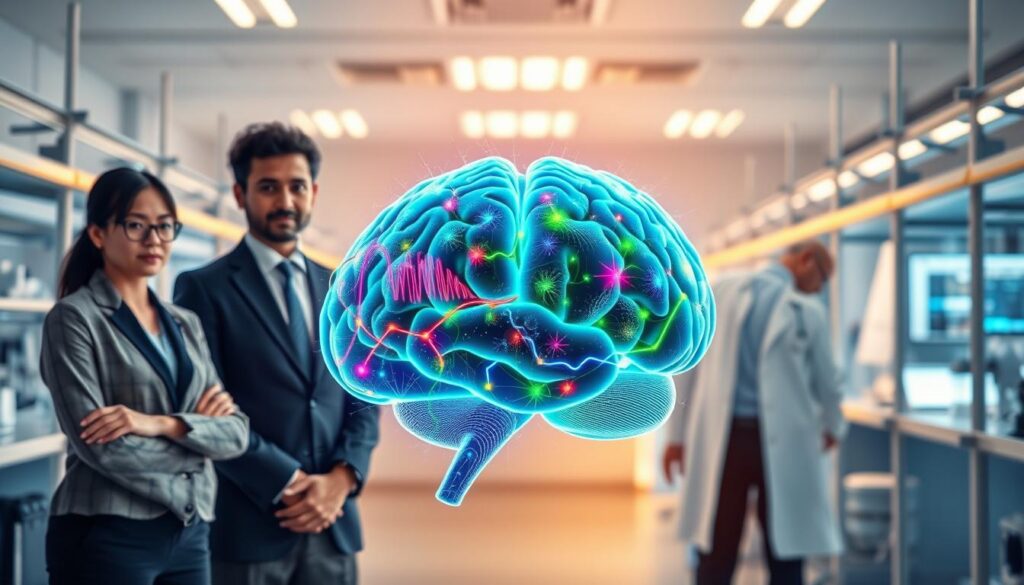
How rare cases can expose overlooked brain pathways
Individual cases can act as natural experiments that show how the brain reroutes information. An extraordinary skill may reveal hidden neural pathways that stay dormant in most people. Scientists use these clues to map the brain's ability to reorganize.
These discoveries challenge current models of learning and information processing. By finding these pathways, researchers can create strategies that help people overcome cognitive hurdles. This new view helps advance our understanding of human potential.
Potential lessons for rehabilitation and sensory-loss treatment
The study of neuroplasticity and sensory compensation offers hope for people facing physical or sensory challenges. Clinicians use these ideas to create more effective rehabilitation and sensory-loss treatment protocols. These methods train the brain to use remaining senses more efficiently.
- Enhanced auditory processing for visual impairment.
- Tactile feedback systems for motor recovery.
- Targeted cognitive exercises for memory restoration.
Why neuroplasticity has limits and does not guarantee new abilities
While the brain is remarkably adaptable, neuroplasticity is not infinite. Biological factors, including age, overall health, and genetic predispositions, affect how much the brain can change. Neuroplasticity is a tool, not a magic solution for every condition.
"The brain's ability to reorganize is a profound biological reality, yet it is constrained by the very physical laws that govern our development and aging process."
Ethical concerns involving publicity, testing, and exploitation
The pursuit of knowledge must never cost people their dignity. People with unique traits may be treated as curiosities instead of human beings. Protecting their privacy is a critical ethical priority for the scientific community.
Researchers must make testing transparent and gain informed consent. Using vulnerable people for publicity or unverified testing harms the field's integrity. We must put the subject's well-being before any desire for a headline.
How scientists and journalists should report extraordinary claims responsibly
Responsible reporting connects scientific discovery with public understanding. Journalists and scientists must avoid sensationalism when discussing rare neurological abilities. They must explain uncertainty in early-stage research to prevent false hope.
Clear communication helps the public separate verified science from speculation. Focusing on evidence-based outcomes encourages curiosity while respecting the brain's complexity. This approach shares advances in rehabilitation and sensory-loss treatment with accuracy and care.
Conclusion
Studying rare human abilities that seem almost impossible gives us a special view of the brain's complex design. Exceptional memory, absolute pitch, and synesthesia show how differently nervous systems can process information. These traits remind us that human biology still holds surprises.
Researchers treat these cases as important data, not proof of supernatural power. By studying echolocation, congenital analgesia, and proprioception, scientists learn more about neuroplasticity and sensory adaptation. These rare human abilities that seem almost impossible may guide new medical treatments and educational strategies.
Readers should meet extraordinary trait reports with healthy skepticism and scientific curiosity. Evidence-based research helps separate biological reality from myth. Responsible observation lets society value human capability without accepting sensational claims.
Exploring these topics builds deeper respect for the brain's adaptability. They invite everyone to view human potential through careful medical interpretation. Continued study will surely reveal more about the mind's hidden architecture.