
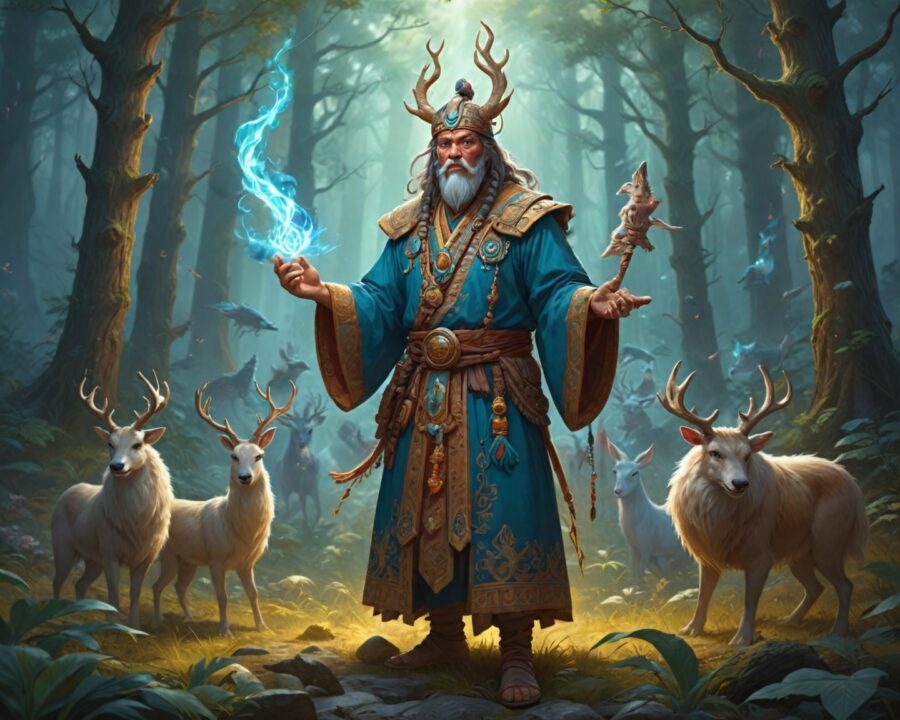
Ancient shamanism has long intrigued historians, anthropologists, and spiritual seekers alike. The enigmatic practices of shamans have left a profound impact on cultures across the globe, demonstrating the universal and enduring fascination with their world and the powers they wield. These ancient spiritual guides were often viewed as intermediaries between the physical and metaphysical realms. In their roles as healers, diviners, and spiritual leaders, shamans held a central place in the tapestry of traditional societies. While their practices have evolved over time, the foundational elements rooted in ancient traditions still spark curiosity and reverence.
The journey to uncovering the rare powers of ancient shamans often delves into a world where nature, spirituality, and the human psyche converge in a timeless dance. Historically, shamans were seen as guardians of certain mystical abilities that allowed them to navigate the hidden corridors of existence. Some of these rare abilities have been lost or misunderstood over time, but a deeper exploration into the lore and practices of these ancient figures reveals insights into both the wowen fabric of cultural heritage and the shared human pursuit of spiritual enlightenment.
The Role of Shamans in Ancient Societies
In the heart of ancient societies, shamans played an indispensable role that encompassed a variety of duties essential for the survival and well-being of their communities. Often regarded as the spiritual torchbearers, they were looked upon as the bridge between the physical world and the spiritual dimensions, tasked with maintaining equilibrium within the tribe and environment. Shamans were instrumental in decision-making processes, particularly during times of crisis, conflict, or transformation.
The influence of shamans extended beyond spiritual leadership. They served as healers, using their wisdom and skills to diagnose and cure ailments in ways that combined practical knowledge with spiritual insights. This dual role meant that a shaman’s influence spanned both earthly and mystical realms, enabling them to act as advisors to leaders, guide hunts, and ensure harmony with nature.
To understand the intricate role shamans held, consider their presence in various cultures around the world. In Native American tribes, they were central to carrying out rituals and communal gatherings, while in Siberian traditions, shamans acted as the primary mediators between human and spirit interactions. Here’s a simple representation:
| Culture | Role of Shaman | Significance |
|---|---|---|
| Native American | Spiritual guide, healer, ritual leader | Central figure in community |
| Siberian | Mediator, communicator with spirits | Keeper of balance between worlds |
| African Tribes | Healer, diviner, protector | Essential in maintaining social order |
Rare Spiritual Abilities Attributed to Ancient Shamans
Ancient shamans were believed to possess rare spiritual abilities that set them apart from others in their communities. These abilities, often seen as gifts bestowed upon them by the spiritual realm, enabled shamans to perform tasks that seemed impossible to ordinary people. Among these abilities was the power to enter altered states of consciousness where they claimed to commune with spirits to gain wisdom or guidance.
Another extraordinary ability attributed to shamans was their clairvoyance or capacity to foresee events. Through divination practices—such as interpreting natural signs or utilizing dream visions—shamans were said to have the power to predict outcomes and guide their people safely through challenges. This foresight was considered a crucial advantage in dealing with seasonal changes, migrations, and even warfare.
Furthermore, shamans were often revered for their telepathic abilities that allowed them to connect with others on a deeply intuitive level. Reports suggest shamans could communicate without words over vast distances, aiding in the coordination of large groups spread across challenging terrains. These rare spiritual abilities not only bolstered their legendary status within societies but also exemplified the profound depth of their understanding of the natural world and human psyche.
The Connection Between Shamans and the Natural World
Shamans cultivated a profound connection with the natural world, viewing it as a living entity where every element was imbued with spirit. This bond extended beyond understanding the ecological systems; it was a respectful relationship that recognized nature as a platform for learning and a source of spiritual power.
Their practices often included rituals that honored the spirits of the earth, water, sky, and animal life, employing ceremonies that reflected the cyclical nature of the environment. Shamans used music, dance, and chants not just as cultural expressions but as tools to awaken and resonate with nature’s vibrations, facilitating communication with the spirit realm through these orchestrated energies.
The respect for nature was not merely symbolic. Shamans demonstrated practical knowledge of botanical medicine, using herbs and other natural elements to heal physical ailments. This understanding underscores their role as early ecologists and stewards of their environment, often advising their tribes on sustainable practices, thereby maintaining balance and harmony within their communities.
Healing Practices and Their Mystical Origins
Healing lay at the core of shamanic duties. Ancients regarded shamanic healing as being rooted in mystical origins, blending the spiritual with the physical in practices designed to restore not only individual health but communal harmony. Shamans believed that all sickness originated from spiritual imbalance, whether caused by disharmony with one’s surroundings, spiritual intrusion, or loss of a vital life force.
To address these issues, shamans employed a repertoire of healing rituals. These might include soul retrieval ceremonies designed to reclaim lost parts of a person’s spirit, often undertaken through deep trance journeys. By traveling to the spirit realm, shamans would negotiate or combat spiritual entities, retrieve the lost essence, and restore it to the individual.
Shamans also utilized herbalism and energetic healing, combining knowledge of medicinal plants with energy work to cleanse and rejuvenate the physical body. This could include the use of sacred smokes, such as those from burnt herbs like sage, to purify a person’s aura. Through these practices, shamans were able to effect healing that transcended the physical, reaching into the metaphysical underpinnings of health and well-being.
Shamanic Rituals for Communication with the Spirit Realm
Communication with the spirit world was a defining aspect of shamanic rituals. These ceremonies were structured to facilitate interactions with invisible realms, seeking guidance or intervention from spirits, ancestors, and divine entities. The ability to travel between worlds required mediation through carefully constructed rituals often passed down through generations.
Key elements of these rituals involved the use of tools such as drums, rattles, and sacred objects thought to possess spiritual significance. The rhythmic drumming and chanting were not merely ceremonial but functioned as vehicles for transporting the shaman’s consciousness into altered states, thus enabling direct interaction with spirit guides and entities.
Shamans would often engage in the creation of sacred spaces where they could perform these rituals uninterrupted. Circles drawn on the earth, the use of smudges from sacred herbs, and the calling of the directions all served to protect the shaman and penetrate deeper into the mystical dimensions. Through these rituals, messages of wisdom, healing, and guidance were conveyed back to the physical world, aiding in the community’s spiritual and practical challenges.
The Use of Altered States of Consciousness in Shamanism
Altered states of consciousness were fundamental to shamanic practices, serving as pathways to spiritual insight and power. Shamans used various methods to achieve states beyond normal waking awareness, allowing them to explore spiritual landscapes and interact with entities within these dimensions.
Techniques for altering consciousness included fasting, ritual dancing, and the use of psychoactive plants, which were carefully chosen for their ability to expand perception and open visionary pathways. These plants, such as Ayahuasca or peyote, held sacred status among many indigenous cultures for their role in facilitating profound spiritual experiences and revelations.
Not every shamanic journey required the use of these substances, however. The repetitive sound of drums, chants, and the regulation of breathing were deemed sufficient to enter trances. Through these altered states, shamans transcended the ordinary bounds of perception, engaging in dialogues with spirits, receiving prophecies, and witnessing distant events.
Common Myths and Misconceptions About Shamanic Powers
Shamanic practices have been surrounded by myths and misconceptions, often glamorizing or misconstruing the abilities of shamans. One common myth is the notion of shamanic power as equivalent to witchcraft or magic, leading to stereotypical portrayals as sorcerers wielding supernatural forces for personal gain.
Another widespread misconception is that shamans can perform instant miracles, whereby ailments and adversities disappear with a flick of their wrist. In reality, shamanic healing is a complex process that involves spiritual, emotional, and environmental factors, requiring effort, commitment, and time to produce lasting effects.
Finally, the belief that shamanism is an outdated practice restricted to ancient or “primitive” peoples undermines its relevance in contemporary society. While its practices have evolved, the core tenets continue to hold significant potential for spiritual growth and psychological healing today.
Modern Interpretations of Ancient Shamanic Abilities
In modern times, there has been a resurgence of interest in ancient shamanic practices as people seek deeper spiritual connections and holistic approaches to healing. These interpretations often adapt traditional shamanic elements to contemporary contexts, emphasizing the adaptability and perennial relevance of shamanic wisdom.
Contemporary practitioners of modern shamanism often integrate psychotherapy with shamanic techniques, highlighting the psychological aspects of healing and transformation. Workshops and retreats, guided journeys, and ceremonies adapted for modern needs are becoming increasingly popular in spiritual and wellness communities.
Furthermore, the emphasis on ecological awareness seen in ancient shamanic practices has found resonance in modern environmental movements. By recognizing the interconnection between humans and nature, modern interpretations of shamanic abilities encourage sustainable living and stewardship of the earth’s resources.
Practical Ways to Explore Shamanic Traditions Today
For those interested in exploring shamanic traditions, there are numerous ways to engage with these ancient practices in a respectful and meaningful manner. One approach is to participate in workshops or ceremonies led by trained contemporary shamans or spiritual leaders familiar with the traditions. Such experiences often provide a safe environment to practice rituals and explore spiritual journeys.
Reading scholarly works on anthropology and the cultural history of shamanism can also broaden one’s understanding of the context and significance of shamanic practices. This academic perspective allows for a deeper appreciation of the cultural nuances and wisdom embedded in shamanic traditions.
Lastly, individuals can incorporate shamanic techniques into their personal journey by engaging in practices like meditation, drumming, and mindful reflection on nature. By cultivating a personal connection with the natural world and an awareness of one’s spiritual journey, the core principles of shamanism can become integral to everyday life.
FAQ
What is shamanism?
Shamanism is an ancient spiritual practice that centers around individuals known as shamans, who act as intermediaries between the human world and the spiritual realm.
Are shamanic powers real?
Shamanic powers are based on spiritual belief systems, and while they are regarded as real within those traditions, they may not align with scientific explanations.
How do shamans heal?
Shamans heal by restoring spiritual balance, utilizing rituals, herbal medicine, and energy work to address the root causes of illness.
Can anyone become a shaman?
Traditionally, becoming a shaman requires a calling and extensive training within a cultural or spiritual framework, so it is not simply a matter of choice.
What do shamans see in the spirit world?
Shamans report encountering a variety of spirits, including ancestors, guides, and other entities, which provide wisdom, healing, or insights.
Is shamanism a religion?
Shamanism itself is not a religion but is often a part of various religious and cultural traditions, incorporating spiritual and worldly practices.
How do modern shamans practice?
Modern shamans often blend traditional practices with contemporary therapeutic approaches, adapting ancient wisdom to fit today’s spiritual needs.
Recap
Ancient shamanic practices have transcended time, leaving a legacy of spiritual insight and cultural significance. Shamans were integral to ancient societies, performing duties as healers, spiritual guides, and intermediaries between worlds. With rare abilities like vision quests and healing ceremonies, they maintained profound connections to the natural world. Despite common misconceptions, ancient shamanic wisdom continues to resonate in modern practices, offering pathways for personal and ecological harmony. Exploring shamanic traditions today can open doors to understanding the power and mystery of this timeless spiritual practice.