
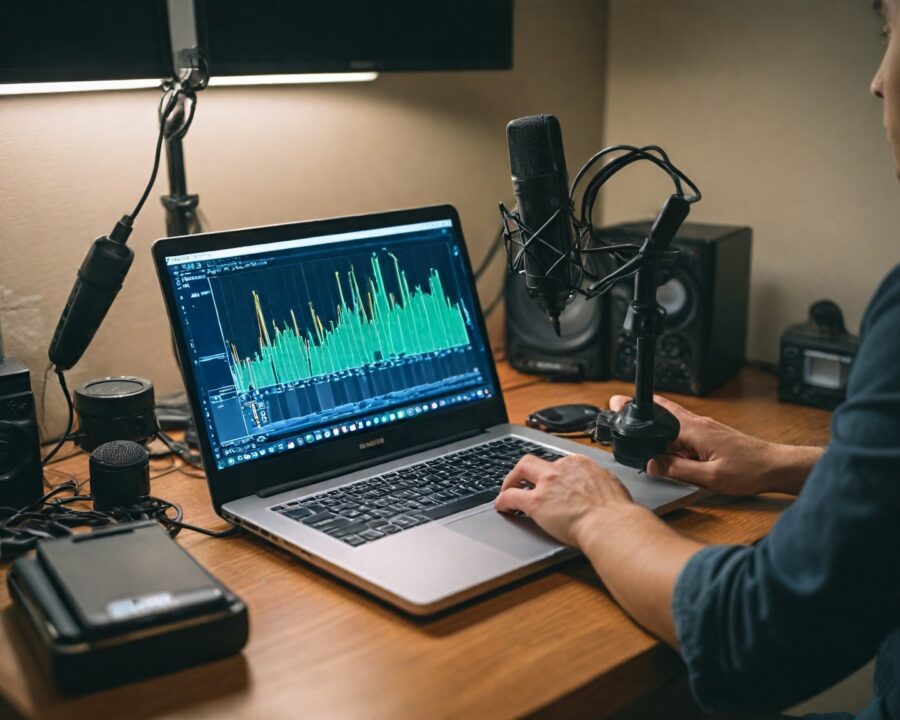
Podcasting has rapidly evolved from a niche hobby to a vast industry that touches millions of lives worldwide. With its roots dating back to the early 2000s, podcasting has democratized the way we consume content, bridging the gap between creators and audiences like never before. Whether for entertainment, learning, or community building, podcasts offer a unique blend of intimacy and accessibility that traditional media cannot match. As more creators enter this vibrant space, understanding the fundamentals of starting and growing a successful podcast becomes increasingly vital.
Embarking on the podcasting journey can be both exhilarating and daunting. The thought of sharing your voice and stories with the world is a powerful motivator, yet the practical aspects of producing a podcast can be overwhelming for beginners. This article breaks down the process of launching and sustaining a successful podcast into manageable steps, offering insights and strategies on equipment selection, niche identification, content creation, promotion, monetization, and more. Whether you’re taking your first steps into podcasting or looking to elevate your existing show, these podcasting tips are designed to help you navigate this exciting medium effectively.
Introduction to Podcasting and Its Benefits
Podcasting offers a modern twist on storytelling, enabling creators to share their voices, ideas, and expertise on a vast platform. Unlike traditional radio or television broadcasts, podcasts allow for an exceptional level of customization and convenience for listeners. This on-demand format means users can tune in anywhere, anytime, whether commuting to work, doing household chores, or simply relaxing at home. This accessibility and flexibility are significant factors in the medium’s escalating popularity.
The benefits of podcasting extend beyond just content consumption. For creators, podcasts are a remarkable avenue for building a personal or brand identity. They provide an opportunity to reach a global audience with minimal budget constraints compared to other media forms. Podcasts also foster community engagement, allowing for listener interaction that can enhance audience loyalty and deepen connections. Because of these dynamics, podcasting can be an instrumental component in amplifying one’s influence and expanding networks.
From a marketing perspective, podcasts present valuable opportunities as well. Brands can leverage podcasts for storytelling, promoting products naturally through engaging, relevant conversations. It allows for subtle advertising, as listeners are often more receptive to recommendations from trusted podcast hosts than traditional ads. This human element can lead to increased brand loyalty and consumer trust, positioning podcasts as a potent marketing tool.
Essential Equipment for Starting a Podcast
Starting a podcast requires some essential equipment to ensure good quality audio, which is crucial for attracting and retaining listeners. At the very core, a microphone is indispensable. USB microphones are popular among beginners for their ease of use and affordability. Options like the Audio-Technica ATR2100x and the Blue Yeti microphone offer excellent sound quality without the complexity of more advanced setups.
Beyond microphones, podcasters need headphones for monitoring audio quality during recording sessions. Look for closed-back headphones, which will help prevent sound leakage that could affect your recordings. Brands like Sony and Audio-Technica offer reliable options that many podcasters use. Headphones not only help in recording but are also essential during the editing phase, where precise audio checks are crucial.
Audio interface and recording software are the next steps in your equipment toolkit. An audio interface connects your equipment to your computer and converts analog sound into digital signals. The Focusrite Scarlett 2i2 is a popular choice among podcasters for its reliability and ease of use. For recording software, programs like Audacity and GarageBand provide comprehensive functionality without cost barriers, making them ideal for beginners looking to explore and experiment with audio editing.
How to Choose a Niche and Target Audience
One of the first crucial steps in starting a podcast is selecting a niche. This involves identifying a specific area of interest or expertise that will form the basis of your podcast content. Choosing a niche helps define your podcast’s identity and ensures your content is relevant and engaging for your audience. Consider your passions and expertise areas, and explore how these can meet listener needs or interests.
Once you’ve identified a niche, defining your target audience is essential. A well-defined audience profile aids in tailoring content to listener preferences, increasing engagement and retention. Analyze demographic factors like age, gender, location, and interests, and develop listener personas that guide content creation. The more you understand your audience, the better you can design content that resonates with them.
Selecting a niche and target audience is not just about identifying who you want to reach but also understanding the competitive landscape. Research existing podcasts within your niche to identify gaps you can fill or unique angles to explore. This differentiation will help your podcast stand out in a crowded market and establish a dedicated listenership over time.
Tips for Creating Engaging Podcast Content
Engaging content is at the heart of any successful podcast. Start by crafting a compelling podcast format that aligns with your niche and audience expectations. Whether your show is interview-based, narrative storytelling, or conversational in style, consistency and clarity in format will help build listener familiarity and expectations. Experiment with elements like episode length and segment variety to maintain an engaging listening experience.
Storytelling is a powerful tool in podcasting, enabling you to connect emotionally with your listeners. Develop intriguing stories or conversations that hook interest early and lead with a clear narrative thread throughout the episode. Pay careful attention to scriptwriting; avoid overly scripted dialogue, as it can sound unnatural. Instead, aim for a conversational tone that feels authentic and personable, inviting listeners into the conversation.
Integrate listener feedback and interact effectively to maintain engagement. Encourage listeners to submit questions, suggestions, or stories, and feature these in your episodes when appropriate. This level of audience involvement not only fuels content ideas but also fosters a sense of community and belonging, enhancing listener loyalty.
Best Practices for Recording and Editing Episodes
Achieving professional audio quality starts with proper recording practices. Find a quiet location to record, reducing background noise and echo as much as possible. Consider using soundproofing materials or recording in small, carpeted spaces that absorb sound effectively. Prepare your recording setup in advance and run test recordings to troubleshoot any potential issues with equipment or sound quality.
When it comes to editing, precision and patience are crucial. Editing software like Audacity, Adobe Audition, and GarageBand offer extensive functionality for refining your audio. Focus on equalizing audio levels, removing background noise, and ensuring smooth transitions between segments. Use editing to cut out awkward pauses or tangents, keeping the content concise and engaging.
Add intro and outro music that fits your podcast’s style, and consider incorporating sound effects to enhance the storytelling aspect. Ensure all music and effects are properly licensed to avoid legal issues. Clean edits and seamless transitions contribute significantly to the listener’s experience, reflecting a commitment to quality and professionalism.
How to Promote Your Podcast Effectively
Promoting your podcast effectively is crucial to gaining visibility and attracting listeners. Start by optimizing each episode’s metadata, including clear, enticing titles, comprehensive descriptions, and strategic use of keywords. Submit your podcast to major directories like Apple Podcasts, Spotify, and Google Podcasts to reach broader audiences. Being present on various platforms enhances discoverability and strengthens your distribution network.
Leverage social media as a powerful promotional tool. Create dedicated profiles for your podcast, and actively engage with communities related to your niche. Share episode highlights, guest features, and behind-the-scenes content to generate excitement and anticipation. Collaborate with other podcasters, influencers, or content creators in your domain to tap into new listenership through cross-promotion efforts.
Engage your listeners by creating opportunities for participation. Encourage reviews and ratings on podcast platforms to boost credibility and attractiveness for potential listeners. Host contests, giveaways, or live Q&A sessions to deepen listener interaction and build a loyal, active community around your podcast. This interactive element encourages word-of-mouth promotion, further expanding your audience reach organically.
Monetization Strategies for Podcasters
Monetizing a podcast requires strategic planning and execution. Sponsorships are one of the most common monetization strategies, with podcast hosts promoting products or services mid-episode in exchange for financial compensation. To attract sponsors, demonstrate a strong, loyal audience and niche alignment that benefits potential advertisers. Building these relationships early can provide a steady income stream as your podcast grows.
Crowdfunding platforms, such as Patreon, allow listeners to directly support your podcast. Offer exclusive bonus content, personalized shoutouts, or access to private community spaces as incentives for financial support. This model not only provides financial benefits but also reinforces community ties by involving listeners in your podcast’s journey.
Merchandise is another revenue avenue, leveraging your brand identity and loyal fan base. Develop products that resonate with your audience, such as T-shirts, mugs, or branded accessories, and capitalize on your creative podcast elements. These tangible items not only generate income but also create lasting listener connections.
| Monetization Strategy | Description | Pros | Cons |
|---|---|---|---|
| Sponsorships | Ads within episodes | Reliable income | Requires strong audience base |
| Crowdfunding | Listener-funded model | Builds community | Depends on listener engagement |
| Merchandise | Selling branded items | Enhances brand loyalty | Initial investment needed |
| Paid Memberships | Exclusive content for members | Consistent income | Need enticing offerings |
Common Challenges and How to Overcome Them
Aspiring podcasters often face numerous challenges that can hinder growth and success. One common obstacle is time management, as producing a podcast requires substantial preparation, recording, editing, and promotion efforts. Streamline your workflow by setting a realistic production schedule that includes content planning and deadlines. Delegate tasks when possible, or use automation tools to manage social media and distribution.
Another significant challenge lies in audience growth and retention. Podcasters must actively pursue strategies to attract new listeners while keeping existing ones engaged. Consistent content quality and frequency are key factors, as are interactive elements that involve your audience. Encourage listener feedback, and use insights to refine and adapt your podcast to meet evolving interests and needs.
Technical difficulties can plague both new and experienced podcasters, impacting audio quality or recording sessions. Prepare for unforeseen issues by maintaining a checklist for your equipment setup and backups of your recordings. Investing in reliable hardware and software can mitigate some common technical challenges, ensuring smoother podcasting experiences.
Analyzing Podcast Performance and Metrics
Analyzing podcast performance through metrics is pivotal for understanding your audience and optimizing your show. Key metrics include download statistics, which provide insights into how many listens your episodes receive over time. Analyze trends to identify popular episodes, seasonality in listenership, or spikes due to promotion or guest features. This information guides content planning and promotional strategies.
Engagement metrics such as listener retention rates and average listen duration offer deeper understanding of content effectiveness. A high retention rate indicates that listeners remain interested throughout episodes, which is crucial for fostering loyalty. If you notice significant drop-offs, evaluate those segments to identify potential content or structural issues needing improvement.
Listener demographics and geographic data help refine audience profiles and tailor content to meet their expectations better. Platforms like Spotify and Apple Podcasts offer dashboards displaying listener age, gender, location, and listening patterns. Use this data to enhance targeting in promotions and segment-based content personalization, further strengthening audience connection.
Next Steps: Scaling and Sustaining Your Podcast
As your podcast gains traction, scaling and sustaining your success is crucial for long-term viability. Consider expanding your content offerings, such as incorporating guest interviews, live recordings, or mini-series within your main show. Increasing content diversity can attract new listeners and keep current audiences engaged with fresh perspectives or in-depth explorations of themes.
Professional development is also instrumental in podcast scaling. Attend industry workshops, conferences, or engage in online courses to stay updated with industry trends and technical advancements. Networking with other podcasters and industry professionals can spark innovative ideas, collaborations, and opportunities to expand your reach and influence within the podcasting community.
Lastly, revisit your monetization strategies as your podcast grows, adapting to audience size and interests. Diversify income streams by exploring new sponsorship opportunities, expanding merchandise lines, or implementing premium content tiers. Continuous evaluation and adaptation to listener feedback will ensure that your podcast not only scales but thrives sustainably in the competitive podcasting landscape.
FAQs
What equipment do I need to start a podcast?
To start a podcast, you’ll need a reliable microphone, headphones, audio interface, and recording software. USB microphones like the Audio-Technica ATR2100x and software such as Audacity are great for beginners. These tools are essential for creating high-quality audio, a crucial aspect of a successful podcast.
How can I choose the right niche for my podcast?
Choose a niche by identifying your passions and expertise, then research audience demand and existing competition in that area. A clearly defined niche helps create focused content that resonates with your intended audience, fostering a dedicated listenership.
What are some ways to make my podcast content more engaging?
Enhance your podcast content by designing a consistent format, incorporating storytelling elements, and encouraging listener interaction. Use a conversational tone and varied segments to maintain interest, and adapt content based on listener feedback to meet audience preferences.
How can I promote my podcast to reach a larger audience?
Promote your podcast by optimizing metadata, submitting to directories, using social media for engagement, and collaborating with other creators. Include call-to-actions for reviews and sustain listener interest with interactive elements like Q&A sessions or contests.
What are effective strategies for podcast monetization?
Effective monetization strategies include seeking sponsorships, launching crowdfunding campaigns like Patreon, and selling merchandise. Each strategy can offer financial benefits and strengthen your podcast’s community and brand loyalty through thoughtful implementation.
How do I handle technical difficulties in podcasting?
Prepare for technical issues by maintaining a checklist for equipment setup, investing in reliable gear, and creating backups of recordings. Routine maintenance and updates for your software and hardware can prevent many common challenges from affecting your podcast.
How can I analyze and improve my podcast’s performance?
Analyze your podcast using metrics like downloads, listener retention, and demographic data. These insights help identify content trends, audience engagement levels, and potential areas for improvement, guiding strategic decisions to optimize your podcast’s success.
Recap
In this exploration of podcasting tips, we’ve covered foundational aspects of launching and growing a podcast, focusing on critical elements like choosing equipment, defining niches, and creating compelling content. Understanding audience engagement through promotion and interaction is key to building a loyal listenership. Monetization strategies, coupled with effective audience analysis, aid in sustaining podcast growth. Common challenges include time management and technical issues, which can be navigated with careful planning and adaptation.
Conclusion
Podcasting offers creators a versatile platform to share stories, educate, entertain, and build communities, driving the evolution of digital media. Armed with the right equipment and an understanding of niche dynamics, podcasters can harness this medium’s power to reach global audiences. The journey from concept to successful podcast involves many steps, but with commitment and adaptability, creators can produce engaging content that resonates widely.
Sustaining a podcast requires ongoing engagement and a keen eye for performance metrics. By understanding audience preferences and continuously refining content and promotional strategies, podcasters can extend their reach and influence. Error handling, professional development, and innovative monetization approaches offer pathways for sustainable growth.
As podcasters scale their efforts, the emphasis on quality, creativity, and community remains paramount. The dynamic nature of podcasting presents endless opportunities for innovation and impact, making it a rewarding venture for those who embrace its potential fully. With the insights provided here, aspiring and established podcasters alike are well-equipped to navigate their podcasting journey successfully.
References
- Podcast Insights. “2023 Podcast Stats & Facts (New Research from Oct 2023).” Podcast Insights, 2023.
- The Podcast Host. “Start a Podcast: A Complete Step-by-Step Beginner’s Guide 2023.” The Podcast Host, 2023.
- Entrepreneur. “How to Start Your Own Podcast and Grow Your Business.” Entrepreneur, 2023.