
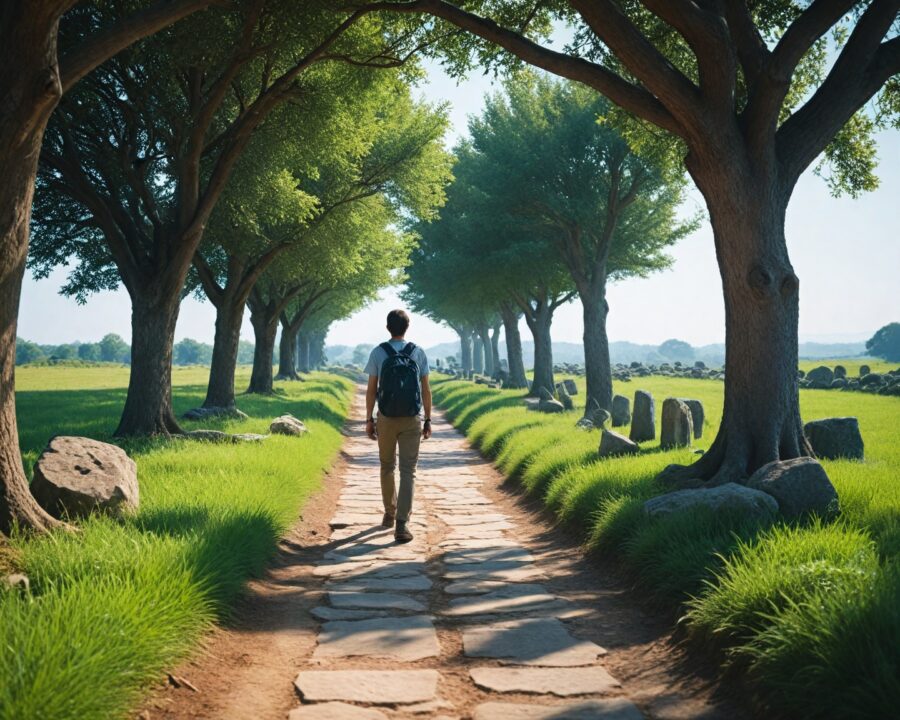
In an increasingly digital and material world, the ancient practice of pilgrimage has seen a resurgence, offering a unique blend of spiritual exploration and cultural discovery. Pilgrimage routes, which are spiritual journeys undertaken to sacred places, hold a profound significance, reflecting the heart of human longing for meaning, connection, and introspection. These routes traverse varied terrains and cultures, unfurling stories of past travelers and the lands they crossed, and drawing modern seekers into their fold. Pilgrimages serve as voyages of self-discovery, allowing travelers to disconnect from the mundane and engage deeply with their inner thoughts and convictions.
In essence, pilgrimage routes offer spiritual travelers a pathway to explore their faith, and encourage a profound connection to history, culture, and nature. They act as bridges that connect people across time and space, manifesting age-old traditions while adapting to contemporary times. This article delves into the world of pilgrimage routes, exploring their historical import, charting renowned paths across continents, and examining the spiritual, cultural, and personal transformations they herald. From preparation tips to understanding the environmental impacts, the article aims to offer comprehensive insights into the timeless allure of pilgrimages.
What are Pilgrimage Routes and Their Historical Significance
Traditionally, pilgrimage routes are paths taken by devout individuals to reach destinations revered for their spiritual, religious, or cultural significance. These routes are not mere physical paths but are steeped in stories, beliefs, and historical trivia that underscore the spiritual quest of human beings throughout history. The concept of pilgrimage can be traced back thousands of years in various religious traditions, from Christianity and Islam to Hinduism and Buddhism. Each of these religions, among others, delineates specific routes and destinations known for their divine and salvific associations.
Historically, pilgrimage routes have been instrumental in the spread of religious practices, intercontinental cultural exchanges, and the establishment of monastic settlements and communities. During the medieval period, for example, Christian pilgrimage routes across Europe became avenues for the dissemination of religious beliefs, artistic styles, and technological innovations. The societal impacts of these routes were immense, fostering networks of hospitality and trade that breathed life into otherwise isolated regions, and sparking the creation of towns, hostels, churches, and marketplaces.
Moreover, pilgrimage routes encapsulate the enduring human quest for both physical and metaphysical exploration. They served not just the devout but also scholars, traders, and adventurers, each drawn by different motives yet bound by a shared journey. The longstanding significance of pilgrimage routes is evident as they continue to be traveled by millions seeking solace, enlightenment, or simply the chance to walk in the footsteps of history.
Famous Pilgrimage Routes Around the World
Across the globe, certain pilgrimage routes have achieved legendary status, owing to their spiritual, historical, and cultural significance. These paths attract pilgrims from diverse backgrounds, each seeking to embark on a journey of discovery and devotion. Among the many that exist, a few stand out for their enduring relevance and remarkable narratives.
The Camino de Santiago, also known as the Way of St. James, is perhaps one of the most famous pilgrimage routes in the world. Originating in the Middle Ages, it stretches across northern Spain and concludes at the cathedral of Santiago de Compostela, where the remains of St. James are believed to rest. This route combines scenic landscapes with a deep-rooted spiritual experience, drawing thousands of travelers annually from all corners of the globe.
Asia hosts equally profound pilgrimage journeys, such as the Kumano Kodo in Japan. This network of ancient trails encompasses routes through forests, mountains, and sacred shrines. Designated as a UNESCO World Heritage site, it offers not only a spiritual journey but also a chance to immerse oneself in nature and history. The Hajj, the annual Islamic pilgrimage to Mecca in Saudi Arabia, remains one of the largest religious gatherings worldwide, underscoring the magnetic pull of spiritual tradition and collective faith.
In the Americas, the pilgrimage to the Basilica of Our Lady of Guadalupe in Mexico reflects a journey as much about religious devotion as it is about cultural identity and community. Each route tells the collective story of human desire to connect with the divine, manifesting in diverse geographies yet universal in its appeal.
The Spiritual and Cultural Importance of Pilgrimage Journeys
Pilgrimage journeys transcend their physical aspects, offering profound spiritual and cultural experiences that resonate deeply with those who embark on them. Spiritually, these journeys are seen as acts of devotion, penance, and enlightenment. The very act of walking, often over long distances, serves as both a metaphor and a medium for self-reflection, personal growth, and spiritual cleansing.
Culturally, pilgrimages are deeply ingrained in the traditions and history of societies across the world. They celebrate the rich tapestry of beliefs, customs, and narratives that define human civilization. By traversing these routes, pilgrims engage in cultural exchanges, witness firsthand the living traditions of communities, and contribute to the preservation of cultural heritage. Festivals, rites, and practices encountered along the way enrich the journey, offering insights into the societal values and historical milestones of the regions they traverse.
Additionally, pilgrimage routes often converge with other travelers’ paths, creating a shared sense of community among pilgrims. This communal aspect brings together people of diverse backgrounds, fostering a spirit of unity and shared humanity. Whether it be sharing a simple meal, exchanging stories, or offering encouragement, the act of traveling alongside fellow pilgrims adds layers of cultural understanding and personal connection to the spiritual journey.
How to Prepare for a Pilgrimage: Tips and Essentials
Embarking on a pilgrimage requires thoughtful preparation to ensure a spiritually fulfilling and physically manageable journey. Unlike casual travel, a pilgrimage demands readiness in mind, body, and spirit, as well as careful logistical planning.
One of the first steps is to research and select a pilgrimage route that aligns with your spiritual goals and physical capabilities. Understanding the historical significance and rules associated with the route can enhance the experience. Consider the length of the route, the terrain, the climate, and the facilities available along the way. Many pilgrims recommend beginning physical training months in advance, focusing on stamina and endurance exercises.
Packing appropriately is crucial for a successful pilgrimage. Essentials include comfortable and sturdy footwear, weather-appropriate clothing, and a basic first-aid kit. A lightweight backpack, reusable water bottle, and necessary identification papers are also indispensable. Spiritual items like a journal, prayer books, or meditative tools may help deepen the reflection process during the trip.
Mental preparation is equally important. Reflect on your intentions for undertaking the pilgrimage and set personal goals for the journey. Cultural sensitivity and an open mind will enrich interactions with fellow pilgrims and local inhabitants. Ensure you have a flexible itinerary to accommodate unforeseen changes, allowing the journey to flow naturally.
Challenges and Rewards of Walking Pilgrimage Routes
The physical demands of walking pilgrimage routes can be daunting, often involving long stretches of variable terrain under diverse weather conditions. Pilgrims must be prepared for fatigue, possible injury, and the emotional ups and downs that accompany extended periods of walking. Blisters, sore muscles, and exhaustion are common challenges that require perseverance and determination to overcome.
However, these challenges are offset by countless rewards. The act of walking in itself offers a meditative rhythm that encourages deep personal reflection and mental clarity. The journey provides an escape from daily distractions, allowing individuals to reconnect with their thoughts and achieve a sense of peace.
Pilgrims often find a renewed appreciation for the natural world as they traverse breathtaking landscapes and embrace the slow pace of travel. The simplicity of life on the road encourages gratitude for each small pleasure, whether it be a picturesque sunrise, a nourishing meal, or a moment of connection with a fellow traveler. These experiences inevitably lead to personal growth, heightened spiritual awareness, and a feeling of accomplishment upon reaching the journey’s end.
Modern Pilgrimage Routes: Blending Tradition with Contemporary Travel
Modern pilgrimage routes often blend time-honored traditions with the conveniences of contemporary travel, making them accessible to a broader audience. While some routes have retained their austere, historical allure, others have adapted, integrating technology, updated facilities, and sustainable practices to accommodate modern pilgrims.
Technological advancements, such as GPS navigation, online forums, and mobile applications, offer pilgrims easy access to vital information and community networks. These tools facilitate route planning, accommodation booking, and connections with fellow travelers, enhancing the overall pilgrimage experience. Schools and organizations now offer pilgrim-inspired retreats and workshops, promoting mindfulness and self-discovery in contemporary settings.
Furthermore, several routes have implemented sustainability initiatives to address the environmental impact of increased foot traffic. Eco-friendly accommodations, waste management systems, and local community support programs help preserve the natural beauty and cultural heritage of these sacred paths.
While modern conveniences can ease aspects of pilgrimage, the essence of the journey remains unchanged — a timeless quest for spiritual enrichment and personal transformation.
Top Pilgrimage Routes in Europe, Asia, and the Americas
Pilgrimage routes across Europe, Asia, and the Americas offer diverse spiritual travel opportunities, each with its unique set of cultural and historical narratives.
In Europe, the Camino de Santiago’s diverse routes, including the French Way and the Portuguese Way, provide varied experiences for pilgrims. Other European routes include Rome’s Via Francigena, a centuries-old path connecting France with Italy, and Ireland’s pilgrimage network leading to Croagh Patrick, celebrated for its association with St. Patrick.
Asia’s spiritual paths such as India’s Char Dham, Thailand’s Phra Phutthabat pilgrimage to the Buddha’s footprint, and China’s Mount Kailash kora, known for its spiritual purification, invite pilgrims to immerse themselves in rich religious traditions. These routes explore ancient temples, monastic traditions, and spiritual landscapes.
In the Americas, the aforementioned journey to the Basilica of Our Lady of Guadalupe in Mexico and Alaska’s St. Therese Shrine pilgrimages underscore the diversity of spiritual paths outside Europe and Asia. These journeys offer encounters with cultural symbolism and faith expressions distinct to the Americas.
Common Questions About Pilgrimage Travel Answered
What is the primary purpose of a pilgrimage?
The primary purpose of a pilgrimage is to embark on a journey of spiritual initiation, renewal, or reflection. It often involves visiting a sacred site that holds religious, historical, or cultural significance, and allowing the journey itself to provide insight, challenge, and transformation.
Do you need to be religious to go on a pilgrimage?
While traditionally rooted in religious practices, pilgrimages attract individuals from various backgrounds, including those with secular or divergent spiritual beliefs. Many people undertake pilgrimages for personal growth, cultural exploration, or connection with nature.
How long does a typical pilgrimage last?
The duration of a pilgrimage varies greatly, depending on the chosen route, distance, and the pilgrim’s pace. Some routes can be completed in a few days, while others may require weeks or even months of walking. Flexibility and personal goals often dictate the journey’s length.
Are pilgrimages safe for solo travelers?
Pilgrimages are generally safe for solo travelers, as they are popular community-focused endeavors with networks of support, hospitality, and fellow pilgrims. It is important for travelers to research and follow safety guidelines, and remain aware of local conditions at all times.
What accommodations are available along pilgrimage routes?
Pilgrim routes often feature diverse accommodation options, ranging from traditional pilgrim hostels to local guesthouses, and hotels. Some routes may offer camping opportunities. Booking in advance, especially during peak seasons, ensures safer, more comfortable accommodation options.
What are some sustainable practices pilgrims can adopt?
Pilgrims can embrace sustainability by minimizing waste, supporting local businesses, respecting cultural practices, and choosing eco-friendly accommodations. Bringing reusable items and reducing the carbon footprint by walking or cycling are simple yet effective measures towards sustainable travel.
The Environmental Impact of Pilgrimage Tourism
Pilgrimage tourism, while beneficial economically, can pose environmental challenges, particularly in regions hosting large numbers of travelers. The influx of pilgrims can strain local resources, lead to habitat degradation, and generate waste, affecting ecosystems and diminishing the spiritual essence of the paths.
To combat such impacts, it is crucial for pilgrims, local authorities, and organizations to adopt and enforce environmentally friendly practices. Implementing waste management programs, promoting the use of sustainable accommodation, and educating pilgrims on eco-conscious behavior are essential steps in protecting the integrity of these routes.
Environmental stewardship depends on collaboration among pilgrims, community stakeholders, and conservationists to ensure the longevity and sanctity of routes that hold immense spiritual and cultural value.
Practical Steps to Plan Your Own Pilgrimage Journey
Planning a pilgrimage involves several practical steps, from initial decisions to on-the-road considerations, enabling a fulfilling travel experience.
-
Select a route: Reflect on personal goals and motivations to choose a path that aligns with your spiritual vision.
-
Research the route: Gather information on its history, difficulty, climate, cultural expectations, and accommodation options. Connect with previous pilgrims for firsthand insights.
-
Develop a training regimen: Prepare physically with a focus on building stamina, endurance, and familiarity with walking equipment.
-
Create a flexible itinerary: Balance daily walking goals with time for reflection, exploration, and potential rest. Allow for posed natural interruptions.
-
Organize logistics: Address travel documents, transportation, travel insurance, and budget considerations. Secure necessary permits if required.
-
Packing essentials: Pack based on climate and route demands, focusing on lightweight, functional gear. Include spiritual items that aid in meditation and contemplation.
Embarking on a pilgrimage journey represents a significant commitment to spiritual travel and self-discovery. These preparations ensure a path navigates smoothly, enhancing the rich experiences along the way.
Recap
This exploration of pilgrimage routes highlights the deep spiritual, cultural, and historical significance these paths possess throughout the world. From their ancient origins, demonstrating humanity’s persistent spiritual quest, to modern interpretations melding tradition with technology, pilgrimage routes offer profound journeys of meaning. Famous global routes across Europe, Asia, and the Americas welcome diverse travelers seeking connection, reflection, and understanding.
Amid the challenges and rewards presented by long-distance travel, modern adaptations strive to provide safer, environmentally conscious experiences. By adopting sustainable practices and fostering community collaboration, both pilgrims and local stewards contribute to preserving the sanctity of pilgrimage routes. Ultimately, careful planning, spiritual goals, and open-mindedness enrich the pilgrimage experience, maintaining its relevance and vitality for generations to come.
Conclusion
Pilgrimage routes remain a testament to the enduring human spirit — a journey that combines faith, heritage, and self-discovery. These paths embody historical narrations and provide spiritual solace amidst nature’s vast expanse, echoing the call of the divine across centuries. Whether visiting venerated relics or walking alongside fellow pilgrims, these journeys forge profound connections to our shared human narrative.
In an evolving world, pilgrimages have adeptly blended the sacred and the modern, creating inclusive experiences that respect traditions while embracing contemporary options. This harmonious blend ensures these journeys remain accessible, inviting, and transformative for all seekers.
As we navigate this age of travel, it becomes imperative to steward wisely: preserving not just the physical routes but also the spiritual essence they impart. In doing so, we honor the raw beauty and meaning of pilgrimage, allowing it to resonate deeply within our global community, bridging past and present, humanity and the divine.
References
- Frey, Nancy Louise. “Pilgrim Stories: On and Off the Road to Santiago.” University of California Press, 1998.
- James, William. “The Varieties of Religious Experience.” Longmans, Green, and Co, 1902.
- Reader, Ian. “Pilgrimage: A Very Short Introduction.” Oxford University Press, 2015.