
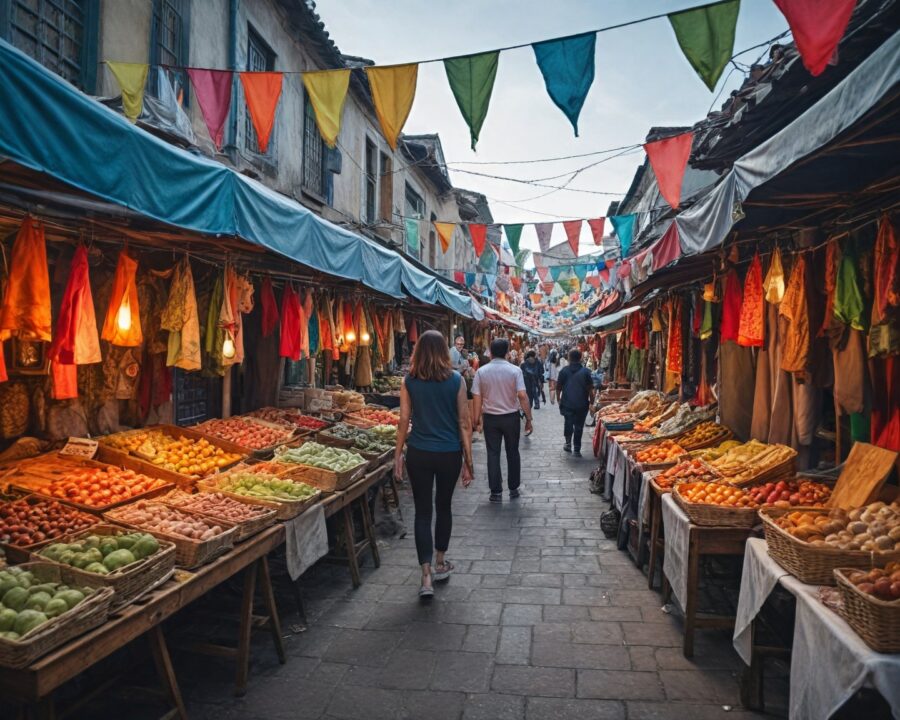
Introduction to Offbeat Journeys and Their Appeal
In an age defined by connectivity and rapid globalization, the allure of offbeat journeys has captured the imagination of modern travelers seeking more than the simple pleasure of ticking landmarks off a checklist. These unconventional travel experiences cater to those thirsting for unique encounters far removed from the well-trodden paths. By choosing destinations that are less explored, travelers have the opportunity to engage with cultures, nature, and perspectives that offer an intimate glimpse into the diverse tapestry of our world.
The appeal of offbeat journeys rests in the promise of novelty and discovery, invigorating the senses and bridging new connections. Whether it’s exploring a remote Himalayan village, wandering through the lesser-known Spanish pueblos, or diving in the uncharted waters of the Solomon Islands, such escapes redefine the concept of travel. For those weary of the predictable routes and eager for transformative experiences, offbeat journeys deliver unparalleled adventure.
Why Travelers Are Seeking Unconventional Experiences
With social media shaping much of how tourism is consumed today, there’s a growing desire for authenticity and uniqueness beyond the screen. Travelers are increasingly disillusioned by mass tourism, which often prioritizes convenience over genuine experience. Unconventional travel provides a counter-narrative to the curated and often artificial environments found in popular hotspots. It’s an antidote for those searching for stories that cannot be replicated elsewhere.
The quest for personal growth is another driving force behind this trend. Many travelers embark on these unique adventures to push their boundaries, desiring more personal encounters that shed light on their own lives. These journeys often require adapting to local customs, learning new languages, or tackling unexpected challenges, which collectively foster resilience and broaden perspectives.
Moreover, travelers seek out the serenity and escapism that only secluded spots can provide. Away from the hustle of crowded attractions, these journeys offer peace and proximity to nature that can rejuvenate the soul. The combination of solitude and exploration allows travelers to reset and reflect, often changing their views on life in profound ways.
Top Hidden Destinations Around the World
Embarking on an offbeat journey leads travelers to discover some of the world’s most mesmerizing yet lesser-known locales. Among them is the Faroe Islands, a dramatic set of isles in the North Atlantic that promises stunning landscapes and a vibrant local culture. With its plunging cliffs and cozy villages, the Faroe Islands are a paradise for hikers and birdwatchers alike.
Venturing into Asia, travelers might find themselves enchanted by the mystique of Bhutan, the Himalayan kingdom where Gross National Happiness is more than a philosophy. With its striking monasteries perched on cliffs and an environment that actively seeks to remain untouched by over-tourism, Bhutan is an enlightening destination for those looking to delve deeper into spirituality and culture.
In the heart of South America lies Bolivia’s Salar de Uyuni, the world’s largest salt flat. Tourists can traverse this remarkable landscape on a simple day tour or, for those seeking more, embark on a multi-day adventure across surreal, otherworldly terrains. When the rains transform the flats into a giant mirror, visitors find themselves wandering a real-life fantasy.
How to Plan an Offbeat Journey on a Budget
Traveling off the beaten path need not break the bank. With strategic planning, these unique adventures can fit within any budget. To start, flexibility in travel dates can substantially lower costs. Off-season travel not only means cheaper prices for flights and accommodations but also allows for a more immersive experience with fewer crowds.
Accommodation can be budget-friendly by opting for guesthouses, hostels, or even local homestays, which offer an authentic glimpse into the daily life of residents. Websites like Airbnb or Couchsurfing can connect travelers with hosts eager to share their culture and stories, often at a fraction of the cost of traditional hotels.
For transport, local buses and trains offer an economical mode of travel between destinations, often introducing travelers to local life along the way. Prioritizing public transportation over taxis and rideshares can save money and reduce one’s carbon footprint. Additionally, dining at local street markets rather than tourist restaurants not only conserves funds but also showcases local culinary delights.
Safety Tips for Exploring Lesser-Known Locations
While offbeat adventures can be enriching, ensuring safety is paramount. Preparation is the key. Before departure, it’s important to research the political climate, local customs, and any potential travel advisories or health concerns of the intended destination. Websites such as travel.state.gov provide updated safety information and can help in understanding the dos and don’ts.
Staying connected is crucial, especially when venturing into remote areas. Having a reliable communication device and knowing emergency contact numbers goes a long way in ensuring that help is accessible if needed. Additionally, informing a close friend or family member of travel plans and maintaining regular check-ins can accentuate safety.
Lastly, maintaining a sense of cultural sensitivity can also enhance personal security. Respecting local traditions, dressing appropriately, and learning basic phrases of the local language can foster goodwill and open doors, minimizing the likelihood of misunderstandings or conflicts.
Cultural Immersion: Connecting with Local Communities
One of the most rewarding aspects of unconventional travel is the opportunity to connect deeply with local communities. Cultural immersion transforms a trip into an educational journey, offering insights that typical travel cannot provide. It starts with engaging with locals at every possible opportunity. Whether through sharing a meal, participating in local festivals, or simply conversing in public spaces, each interaction enriches the travel experience.
Volunteering is a profound way to give back to the communities that welcome travelers. From teaching English to helping with community-driven projects, volunteering allows for an exchange of cultures. It provides a chance to learn firsthand about the challenges and triumphs of local life, fostering mutual understanding and respect.
Additionally, travelers can take part in locally-led tours and workshops. These experiences often provide economic support to local businesses and offer a more nuanced perspective than traditional tours. This connection not only benefits the community but also leaves travelers with lasting memories and friendships.
Eco-Friendly Travel Tips for Offbeat Adventures
As the impact of tourism on the environment becomes increasingly visible, it’s imperative to consider sustainable practices when embarking on offbeat journeys. Packing reusable items such as water bottles, cloth bags, and utensils minimize single-use plastics, which contribute significantly to pollution in remote areas.
Choosing eco-friendly accommodations, whether it be eco-lodges, green-certified hotels, or community-centered homes, can reduce one’s ecological footprint. Such accommodations often use sustainable practices and energy sources, providing peace of mind that the traveler’s impact is minimized.
When exploring natural sites, practicing Leave No Trace principles ensures that these beautiful locations remain pristine for future generations. Travelers should aim to leave a place in the same state, or better, than they found it, respecting wildlife and local flora. Incorporating these sustainable practices enriches the travel experience, aligning one’s journey with the greater goals of conservation and community support.
Overcoming Challenges in Remote Travel Destinations
Remote travel destinations present unique challenges that, when navigated successfully, lead to rewarding experiences. One common obstacle is the language barrier, which can hinder effective communication. To manage this, travelers can learn basic phrases in the local language or use translation apps that facilitate interaction.
Logistical challenges such as limited access to amenities, unreliable transportation, or lack of internet connectivity can also arise. Researching these aspects beforehand and preparing an itinerary with flexible plans can accommodate such unpredictabilities. Travelers should also have contingency plans for unexpected situations, such as changes in accommodation or transportation.
Additionally, health concerns such as acclimatization to different altitudes or exposure to unfamiliar foods need careful consideration. A health kit with essential medications and knowledge of local health facilities is advisable. By anticipating problems and preparing adequately, travelers can ensure a more enjoyable and safer journey.
Stories from Travelers Who Embraced Offbeat Journeys
Real-life accounts from those who have chosen the road less traveled often serve as inspiration for future adventurers. Sarah, a traveler who embarked on a six-month journey through Southeast Asia, recounts how living among the indigenous tribes in Northern Thailand profoundly changed her worldview, teaching her the value of simplicity and gratitude.
Similarly, Adam, who set sail to explore remote islands in the South Pacific, describes how the closeness of island communities and their harmonious way of life offered a fresh perspective on contentment and communion with nature. His experiences have fueled his interest in conservation and eco-tourism efforts within these fragile ecosystems.
Finally, Laura, an intrepid solo traveler exploring the hinterlands of Patagonia, found empowerment and resilience amidst the vast, untamed landscapes. Her journey taught her the significance of self-reliance and adaptability, lessons she carries into her everyday life. These stories highlight that the true magic of offbeat travel lies in the transformative power it holds.
| Traveler | Destination | Key Lesson |
|---|---|---|
| Sarah | Northern Thailand | Simplicity and gratitude |
| Adam | South Pacific Islands | Contentment and conservation |
| Laura | Patagonia | Self-reliance and adaptability |
Practical Steps to Start Your Own Offbeat Adventure
Planning an offbeat adventure requires thoughtful consideration and preparation. To begin, identify what kind of experience you want and set a clear goal. Are you looking for cultural immersion, solitude in nature, or a challenge of endurance? Defining your objective will guide your destination choice and itinerary planning.
Researching potential destinations naturally comes next. Online travel forums, guidebooks, and blogs offer invaluable insights and can help narrow down options to find the right fit. Reading about others’ experiences and connecting with local guides or communities online can also reassure you about the choices you make.
Lastly, establish a realistic budget and timeline while remaining open to spontaneity. An itinerary should provide a rough roadmap, yet maintain flexibility for unforeseen adventures. With a spirit of curiosity and respect, you’re well on your way to crafting an unforgettable offbeat journey.
FAQ
What defines an unconventional travel destination?
Unconventional travel destinations are places that aren’t frequented by the majority of tourists. They often offer unique experiences, cultural immersion, and an opportunity to explore areas that are typically less commercialized and preserved in their authentic states.
How can I find offbeat travel destinations?
Intensive research through travel blogs, forums, and guidebooks can introduce you to lesser-known places. Online communities and word-of-mouth recommendations from other travelers are also invaluable resources for discovering offbeat destinations.
Are there risks associated with unconventional travel?
There are inherent risks involved, such as limited access to medical facilities, language barriers, or political instability. Proper planning, staying informed about local conditions, and practicing cultural sensitivity can mitigate these risks.
How can I respect local cultures during my travels?
Show respect by learning and following local customs, dressing appropriately, and learning basic phrases in the local language. Engage with the community with an open mind and avoid activities that could offend local sensibilities.
Can I travel to an unconventional destination alone?
Yes, solo travel to unconventional destinations is possible but requires careful planning. Research safety conditions and connect with other travelers or local guides for support. Always inform someone trusted about your plans.
How do I ensure my journey is eco-friendly?
Practice sustainability by reducing waste, conserving water, and opting for local, eco-friendly accommodations. Support local economies by choosing locally-led tours and buying local products. Follow Leave No Trace principles in natural areas.
What should I pack for an offbeat adventure?
Pack light but include essentials such as a first aid kit, reusable water bottles, a portable phone charger, and local maps. Depending on your destination, specific gear like hiking boots or climate-appropriate clothing may be necessary.
Recap
Exploring the world through unconventional travel not only enriches personal experiences but also provides deeper connections with cultures and landscapes that are often missed in mainstream tourism. The search for genuine, transformative experiences is leading more travelers to less-commercialized destinations that offer authenticity. Safety, planning, and eco-conscious choices are crucial to navigating offbeat paths, and stories from fellow adventurers inspire and affirm the value of this pursuit. Ultimately, initiating your own journey begins with setting clear intentions, informed research, and embracing the unknown.
Conclusion
The journey towards embracing unconventional travel is one paved with thrilling discoveries and enriching experiences. By venturing beyond typical tourist trails, travelers are rewarded with moments that offer a true sense of connection and understanding of the world. These offbeat paths not only contribute to personal growth but also encourage sustainable tourism practices, ensuring that the beauty of undiscovered destinations is preserved for future generations.
As you embark on your next adventure, consider the incredible potential that lies in the unexplored. With knowledge, preparation, and respect, the world opens up with opportunities that go beyond a simple getaway, redefining travel into an exploration of life’s most meaningful moments.
References
- Travel.State.Gov, “Travel Advisories,” accessed October 2023, https://travel.state.gov/content/travel/en/traveladvisories/traveladvisories.html
- Lonely Planet, “Guide to Offbeat Destinations,” accessed October 2023, https://www.lonelyplanet.com
- National Geographic, “Eco-Friendly Travel Tips,” accessed October 2023, https://www.nationalgeographic.com/travel/article/eco-friendly-travel-tips