
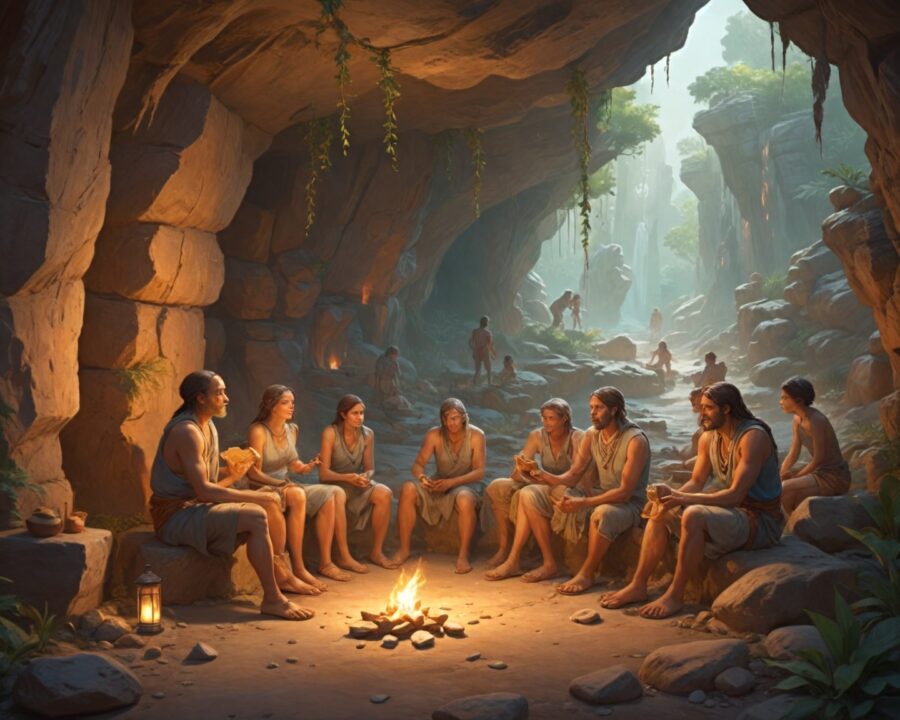
Introduction to Prehistoric Medicine and Its Significance
The study of prehistoric medicine offers a fascinating glimpse into the ways ancient peoples approached healing, driven by necessity and shaped by the resources available to them. Before written records, prehistoric communities depended heavily on oral traditions and hands-on knowledge to treat ailments, a practice that laid the foundational principles for many of today’s health practices. Despite the absence of advanced technology, these early medical procedures were crucial for survival, providing the only means to combat injuries and illnesses that could otherwise be fatal.
In examining prehistoric medicine, we understand not only how ancient societies coped with health challenges but also how these early methods influenced the progression of medical knowledge. These rudimentary practices were the precursors to more organized health systems, serving as stepping stones from which modern medicine has evolved. By studying these ancient healing methods, we not only gain historical insight but also enrich our appreciation for how adaptable and resourceful human beings have been in the face of physical adversities.
Common Ailments and Injuries in Prehistoric Times
Prehistoric societies were no strangers to physical challenges, with many community members frequently battling various ailments and injuries. In a world with ubiquitous dangers from wildlife, harsh environmental conditions, and warfare, injuries such as broken bones and cuts were common. Infection was another life-threatening issue, as the understanding of germs and sanitation had not yet been developed.
Typical ailments that plagued prehistoric individuals included digestive issues from improvised diets, tooth decay due to lack of dental care, and skin irritations likely caused by insect bites or harsh living conditions. Furthermore, malnutrition was rampant, significantly affecting overall health as people struggled to gather sufficient food.
In an era before the advent of the written word, these challenges required innovative and practical solutions to ensure survival. Thus, prehistoric people became adept at using available materials to alleviate symptoms and promote recovery efficiently and creatively.
Natural Remedies and Their Role in Early Healing
Natural remedies played a pivotal role in prehistoric medicine, with flora and fauna resources forming the basis of many treatments. Plants with medicinal properties were highly valued, and their knowledge often passed down through generations by oral tradition. These included herbs for pain relief, digestive aids, and antiseptics to prevent infection.
For example, willow bark was commonly used for its analgesic properties, a natural precursor to aspirin. Ingredients such as honey and resin, known for their antibacterial properties, were likely used to dress wounds, reflecting an understanding of infection prevention, even if unknowingly.
The reliance on natural remedies highlights the intricate knowledge prehistoric peoples had of their environment. It suggests a sophisticated awareness of the resources available to them, which they utilized with high effectiveness within their medical practices.
The Use of Tools and Techniques in Prehistoric Medicine
Prehistoric groups were also inventive in their use of tools for medical purposes. Simple instruments were devised for surgical procedures, such as trephination—a practice involving the drilling of holes into the skull, believed to alleviate various ailments ranging from headaches to intracranial pressure.
Other techniques included the setting of bones with makeshift splints crafted from wood and fibers. These rudimentary tools and methods provided immediate and practical solutions to medical problems, reflecting an emerging knowledge of anatomy and healing.
The use of tools in prehistoric medicine underscores early attempts at surgery and anatomical corrections, actions that would lay important groundwork for future surgical practices and showcase the ingenuity of prehistoric communities in using their keen observations of human anatomy.
Cultural Beliefs and Rituals Surrounding Health and Healing
Cultural beliefs and rituals were intrinsic to prehistoric healing practices, often intertwined with the community’s spiritual life. Health and illness were typically seen through a semi-mystical lens, where spirit world interventions were thought necessary for healing. Rituals, chants, and offerings were common practices intended to placate spirits and ensure a patient’s recovery.
Shamans, or spiritual healers, played a vital role in these settings, functioning as mediators between the spiritual and physical worlds. They utilized a combination of medicinal plants, rituals, and psychological tactics to treat conditions, a practice that reinforced their influence and authority within their tribes.
These beliefs and practices illustrate how prehistoric medicine was not just a physical endeavor but a holistic approach accommodating the psychological and spiritual dimensions of the patient’s experience.
Comparison of Prehistoric Medicine with Modern Practices
Comparing prehistoric medicine to today’s modern practices showcases a blend of incredible contrasts as well as enlightening similarities. While modern medicine benefits from advanced technology, evidence-based research, and sophisticated pharmaceuticals, many foundational elements seen in ancient healing methods remain relevant.
A striking similarity lies in the continued use of natural remedies; many present-day medications are derived from compounds initially found in prehistoric plant studies. However, the effectiveness and application of these are now backed by scientific validation.
| Aspect | Prehistoric Medicine | Modern Medicine | Similarities |
|---|---|---|---|
| Tools | Rudimentary, handcrafted | Advanced technology and instruments | Both use tools for surgical and healing purposes |
| Remedies | Natural, plant-based substances | Pharmaceuticals, synthesized compounds | Continued use of plant-derived medicines |
| Beliefs and Practices | Interwoven with spirituality | Evidence-based, clinical approach | Holistic healing remains important |
| Healing Practitioners | Shamans, spiritual healers | Physicians, certified professionals | Healers hold significant social status |
The Role of Shamans and Healers in Ancient Societies
Shamans and healers occupied a crucial role within prehistoric communities, often seen as the linchpin between health and spirituality. Their influence extended beyond the mere physical aspects of healing, as they commonly conducted rituals and ceremonies believed to restore both physical and societal harmony.
These figures were skilled in using medicinal plants and known for their psychological acumen, which was instrumental in comforting patients. Their treatments often included the use of primitive anesthetics, a thorough knowledge of the human body, and the administration of various chants and rituals to boost the efficacy of their treatments.
In many ways, shamans were predecessors to modern-day medical professionals, combining practical knowledge with a form of early psychological therapy to ensure the well-being of their patients.
Archaeological Evidence of Prehistoric Medical Practices
Archaeological findings have significantly expanded our understanding of prehistoric medical practices, offering tangible proof of ancient techniques. Excavations have revealed evidence of healed fractures, suggesting effective bone-setting techniques, while trephined skulls indicate attempts at rudimentary brain surgery.
Burial sites have yielded medicinal plants and evidence of ceremonies, emphasizing the role of faith and ritual in healing. Artifacts such as primitive needles and scrapers have been found, further substantiating the use of tools in prehistoric surgical procedures.
These discoveries frame a vivid picture of prehistoric healthcare, illustrating the ingenuity and resourcefulness of ancient societies and confirming that medicine, as a practice, has far deeper and broader roots than previously imagined.
Lessons Modern Medicine Can Learn from Prehistoric Knowledge
Modern medicine stands on the shoulders of centuries of knowledge, and while much progress has been made, there are valuable lessons still to be gleaned from prehistoric medicine. One such lesson is the holistic view of patient care. Prehistoric healing acknowledged the interconnectedness of mind, body, and spirit—a perspective increasingly echoed in contemporary holistic health approaches.
Additionally, the immense respect and understanding of natural resources exemplified by prehistoric peoples can inform sustainable practices today, emphasizing the importance of environmentally conscious healthcare solutions.
Furthermore, the resourcefulness necessitated by prehistoric conditions underlines the potential of low-tech solutions in areas where high-tech medicine may not be feasible, offering insights into tackling global healthcare challenges efficiently.
Conclusion: The Legacy of Prehistoric Medicine in Today’s World
Prehistoric medicine has undoubtedly influenced the trajectory of medical practice, leaving a legacy that persists in various forms today. From simple natural remedies to the holistic approach to health, echoes of ancient healing methods are still evident in current medical practices. As modern medicine advances, it continues to draw from the well of ancient knowledge, balancing innovation with tradition to enhance humanity’s health.
FAQs
How did prehistoric people treat broken bones?
Prehistoric people used natural materials like wood and fibers to create splints and stabilize broken bones. These early methods allowed for basic treatment of fractures and injuries, showcasing their understanding of anatomical healing.
What plants were used in prehistoric medicine?
Plants such as willow bark, known for its analgesic properties, and various herbs for digestive issues and antiseptic purposes were common. The extensive use of plants highlights their role in the healing practices of prehistoric peoples.
Were there prehistoric surgeries?
Yes, evidence such as trephined skulls indicates that early forms of surgery, like trephination, were practiced to alleviate physical ailments, although the understanding and reasons for such procedures were quite different from today’s approaches.
What role did shamans play?
Shamans acted as spiritual and medical leaders within prehistoric communities, using herbal remedies, rituals, and psychological strategies to treat patients, and were crucial in both physical healing and maintaining social cohesion.
How does prehistoric medicine compare to today’s practices?
While vastly different in terms of technology and evidence-based practices, prehistoric medicine shares similarities with modern practices, such as the use of natural remedies and the holistic consideration of mental and physical health.
What can we learn from prehistoric medicine today?
Lessons include the importance of holistic health perspectives, sustainable use of natural resources, and creativity in low-tech healthcare solutions—principles that remain highly relevant in addressing modern medical challenges.
Recap
In conclusion, prehistoric medicine, through its reliance on natural remedies, simple tools, and the merging of spiritual beliefs with healing practices, laid the groundwork for today’s medical advancements. The ingenuity and adaptability shown by ancient societies provide valuable insights into the holistic nature of health and highlight the continuum of learning that connects the past with the present. Understanding this legacy not only enriches historical knowledge but continues to influence modern healthcare practices profoundly.