
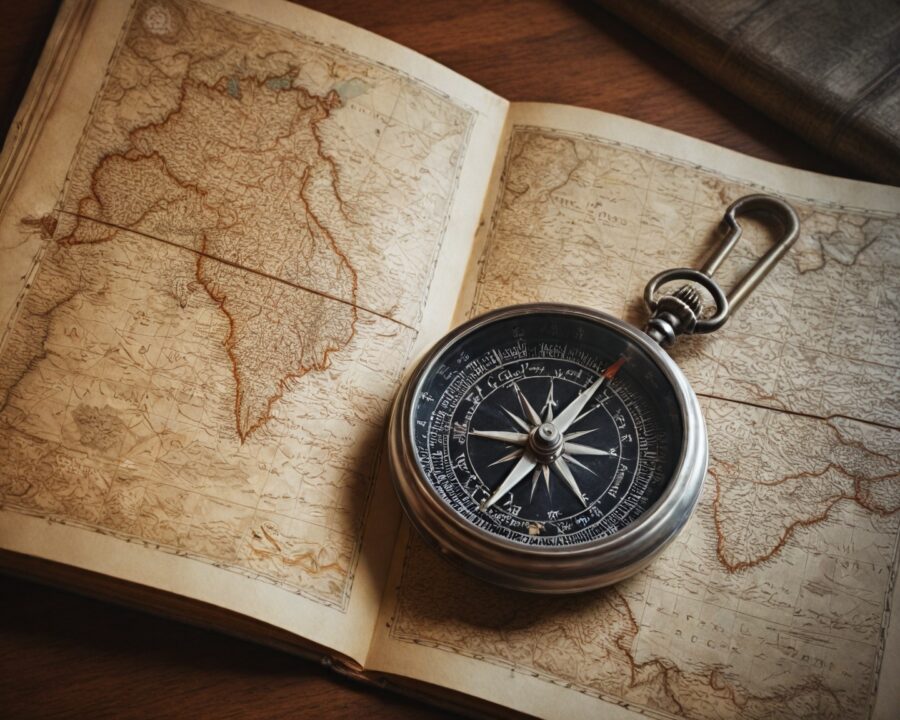
Introduction to Historical Travel Routes and Their Significance
For centuries, travel routes have played an essential role in the development of human civilization. They facilitated movement, commerce, and cultural exchange, bridging gaps between distant lands and fostering contact between diverse cultures. Historical travel routes are pathways steeped in history, often traversed by merchants, explorers, pilgrims, and adventurers. These routes were not merely physical paths but conduits that shaped civilizations and allowed for the flow of goods, ideas, and people across the globe. Studying these routes offers invaluable insights into the interconnectedness of past societies and their enduring influence on our contemporary world.
In today’s increasingly globalized society, understanding historical travel routes helps us appreciate the rise and spread of cultures, technological advancements, and collective human endeavors that have defined our shared history. From the bustling bazaars of the Silk Road to sacred pilgrimages across medieval Europe, these routes collectively illuminate the aspirations and innovations of human societies. By tracing these paths of the past, we can better comprehend the dynamic processes that have crafted the economic and cultural landscapes of the modern world.
The Role of Ancient Trade Routes in Shaping Civilizations
Ancient trade routes charted the course for modern civilization by facilitating the exchange of goods, language, technological know-how, and cultural practices. These networks linked distant parts of the world and created corridors that were instrumental in the development of societies. Through trade routes, civilizations were able to exchange not only products like silk, spices, and precious metals but also ideas and technologies that accelerated the development of science, art, and agriculture across disparate regions.
The influence of these ancient highways extended beyond mere commerce. They were critical in the dissemination of major world religions such as Buddhism, Islam, and Christianity. As traders and travelers moved along these paths, they carried religious texts and artifacts, forging new connections and spreading beliefs to different corners of the globe. This exchange nurtured societies, promoted tolerance, and in several instances, led to the syncretism of religious and cultural ideas.
Moreover, the strategic importance of these routes catalyzed the rise and fall of empires. Control over lucrative trade routes brought wealth and power, encouraging political unification and conflict. For instance, the wealth generated from trade along the Silk Road contributed significantly to the prosperity of the empires that controlled these paths, such as the Roman, Persian, and Han Empires. By shaping geographical and political landscapes, ancient trade routes played a pivotal role in the evolution of complex human societies.
Famous Historical Travel Routes: Silk Road, Spice Route, and More
Of the many ancient trade routes, the Silk Road and the Spice Route stand out as two of the most iconic. The Silk Road was a vast network of trade paths that connected the East and the West, stretching from China to the Mediterranean. It was named for the lucrative silk trade that dominated this pathway, but it facilitated a diverse array of goods, such as jade, slaves, and exotic animals. The Silk Road also served as a roadmap for the diffusion of art, religion, and culture, profoundly influencing the civilizations it connected.
The Spice Route, on the other hand, primarily linked the islands of Indonesia with ports across the Asian continent, and eventually the Middle East and Europe. Spices like black pepper, cinnamon, and cloves were highly valued for their use in food preservation and medicine, making them as precious as gold. The quest for control over this route fueled the era of exploration and the subsequent European colonization of Asia.
Other notable historical routes include the Amber Road, primarily used for transporting amber from the Baltic region to the Mediterranean Sea, and the Incense Route, which facilitated the trade of frankincense and myrrh from the Arabian Peninsula to North Africa and beyond. Each of these routes provided avenues for cultural contact and collaboration, reshaping societies in unforeseen ways.
Historic Pilgrimages: Journeys of Faith and Cultural Exchange
Pilgrimages represent one of the most profound examples of historical travel routes, often embodying the intersection of faith and cultural exchange. Religious pilgrimages have been a common practice across cultures, allowing individuals to explore their spiritual beliefs while engaging with diverse cultural practices. Routes like the Camino de Santiago in Spain or the Hajj to Mecca have drawn pilgrims for centuries, offering journeys laden with spiritual significance.
Pilgrimage routes were historically integral in fostering dialogue between different peoples. Travelers often exchanged knowledge, art, and technologies, leading to vibrant cultural flourishing along these pathways. The shared experiences along such routes contributed to the spiritual and cultural lives of societies, expanding their worldview and reinforcing shared human values and beliefs.
These pilgrim journeys were not solely of spiritual pursuit. They often brought economic strength and prosperity to regions they traversed. Towns and cities along pilgrimage paths flourished as they provided resources, lodging, and provisions to travelers. This influx of pilgrims facilitated commerce and infrastructural development, transforming these routes into bustling centers of trade and interaction.
The Impact of Historical Routes on Modern Transportation Networks
The pathways carved by historical trade routes paved the foundation for modern transportation networks. Many contemporary highways and railways trace the course of ancient trade routes, highlighting their enduring significance. By following the path of least resistance through geographic features like mountain passes and river valleys, ancient routes determined optimal pathways for infrastructure development. Consequently, cities that were once historical hubs continue to remain vital logistical nodes today.
Development of railways along ancient routes notably accelerated during the Industrial Revolution, contributing to globalization. The Trans-Siberian Railway, for example, mirrors segments of the Silk Road, facilitating the movement of goods and people across Eurasia. Today, the Belt and Road Initiative, China’s global development strategy, draws inspiration from these historical routes as it seeks to enhance connectivity and cooperation among Eurasian countries.
The impact of these historical routes is evident in the enduring layout of urban and rural landscapes. Cities such as Istanbul, Rome, and Xi’an, once key stops on major trade routes, retain their historical significance through architectural, cultural, and economic vitality. These cities continue to serve as bridges between different worlds, reinforcing the significant legacy of ancient trade routes on contemporary life.
How Historical Travel Routes Influenced Global Trade and Economy
The inextricable link between historical trade routes and global trade and economy is profound. By enabling the cross-continental movement of goods, these routes laid the foundations for complex global trade networks that exist today. They established the basis for multinational commerce by facilitating the formation of trade agreements and tariffs that resonate with today’s global trade frameworks.
These routes contributed to the rise of major economic analogies by promoting diversification. Regions along the Silk Road, for instance, specialized in manufacturing specific goods such as silk textiles and porcelain, which were traded across vast distances. The specialization and exchange cultivated improved production techniques and economic interdependence, which are cornerstones of the modern global economy.
Moreover, the wealth generated from trade on these routes provided the economic thrust necessary for societal advancements in technology and infrastructure. Many advances in navigation, mapping, and logistics arose through the necessity to optimize trading routes. This continuous exchange and innovation catalyzed by these historical routes illustrate their lasting impact on global advancement, equality, and economic integration.
Preservation of Historical Travel Routes: Challenges and Efforts
Conserving historical travel routes presents significant challenges due to development pressures, environmental changes, and political conflict. Across nations, efforts to preserve these cultural and historical assets must balance conservation with modern development needs. Urban sprawl, infrastructure expansion, and resource exploitation threaten the physical remnants and historical integrity of these ancient pathways.
Efforts to preserve these routes are essential for protecting the cultural heritage and historical narrative they embody. Enthusiasts and governments have initiated projects to document and restore these trade routes, aiming to maintain their legacy for future generations. International collaborations and organizations like UNESCO have recognized several routes as World Heritage Sites, highlighting their global significance and the need to safeguard them.
A vital component of preservation involves fostering public awareness regarding the importance of these historical routes. Educational programs and cultural tourism initiatives play a significant role in preserving and revitalizing these paths. By sharing the stories and significance of these routes, communities can cultivate an appreciation and understanding of the interconnectedness and diversity of human history.
Common Questions About Historical Travel Routes Answered
What are historical travel routes?
Historical travel routes are ancient pathways that facilitated the movement of goods, people, and ideas across different regions and civilizations. They played a crucial role in trade, cultural exchange, and the development of societies.
Why are historical travel routes important?
They are important because they provide insights into historical trade practices, cultural interactions, and the spread of technology and religion. Understanding these routes helps us appreciate the development of human societies and their interconnectedness.
How did the Silk Road impact global trade?
The Silk Road was central to global trade as it connected Asia with Europe, enabling the exchange of goods like silk, spices, and textiles. It facilitated cultural, technological, and intellectual exchanges and contributed significantly to the economies of the regions it linked.
What are some challenges in preserving historical travel routes?
Challenges include urbanization, environmental degradation, and political instability. Preserving these routes requires balancing modern infrastructure development with conservation of historical assets.
How can I explore historical travel routes today?
To explore these routes, research guided tours, and UNESCO World Heritage Sites dedicated to historical routes. Traveling to cities and regions along these paths offers insights into their historical significance and present-day relevance.
What influence did ancient trade routes have on culture?
Ancient trade routes allowed for the exchange of language, art, religion, and technology among different cultures. They led to cultural syncretism and the enrichment of societal traditions, practices, and innovations across the connected regions.
Are there modern equivalents to ancient trade routes?
Yes, modern trade networks like highways, railways, and maritime routes trace ancient pathways. Contemporary initiatives like the Belt and Road Initiative aim to enhance global connectivity, reminiscent of historical trade route impacts.
What is the role of UNESCO in protecting historical travel routes?
UNESCO designates select routes as World Heritage Sites, promoting their protection and academic study. This effort encourages international cooperation in conserving these critical cultural and historical landmarks.
Practical Tips for Exploring Historical Travel Routes Today
Exploring historical travel routes offers a unique opportunity to connect with the past while embarking on an adventurous journey. Begin by researching the routes you’re interested in to learn about their history, significance, and the modern-day places they traverse. Familiarize yourself with key sites, local customs, and historical attractions along these routes to enrich your travel experience.
Next, consider planning a route that allows for flexibility and discovery. Many of these paths still touch upon vibrant, bustling towns and cities where the cultural legacy of these trade routes still thrives. Stay open to discovering unexpected trails and interacting with locals who can provide personal insights and stories about the area’s history.
Lastly, be conscious of the need for preservation. Choose eco-friendly travel options and support local conservation efforts. Engaging with organizations dedicated to preserving these routes can also provide an enriching perspective and opportunity for contribution. By keeping these tips in mind, travelers can responsibly explore and appreciate the invaluable legacy of historical travel routes.
Conclusion: Why Historical Travel Routes Matter in Understanding Our World
Historical travel routes, like the legendary Silk Road and Spice Route, offer more than captivating tales from the past. They are critical frameworks for understanding the complexities of human society, from cultural diffusion and economic expansion to technological innovation and spiritual journeys. They reflect the endeavor of human societies to connect, thrive, and collectively progress.
In understanding these ancient paths, we gain insight into the collective human story and its historical contexts. This perspective encourages appreciation for the interconnectedness of cultures, fostering recognition of the shared achievements that have significantly shaped the world today. As the foundations for modern transportation and economic networks, these ancient routes connect yesterday’s innovations with contemporary advancements.
Ultimately, historical travel routes remind us of the profoundly interconnected nature of our global society. They urge us to reflect on how past interactions have shaped modern ideologies, economies, and culture. With this understanding, we can appreciate the diversity and resilience of human civilization and continue to chart new pathways for communication and cooperation in the world.
References
-
Beckwith, C. I. (2009). Empires of the Silk Road: A History of Central Eurasia from the Bronze Age to the Present. Princeton University Press.
-
Frankopan, P. (2015). The Silk Roads: A New History of the World. Bloomsbury Publishing.
-
Wood, F. (2002). The Silk Road: Two Thousand Years in the Heart of Asia. University of California Press.