
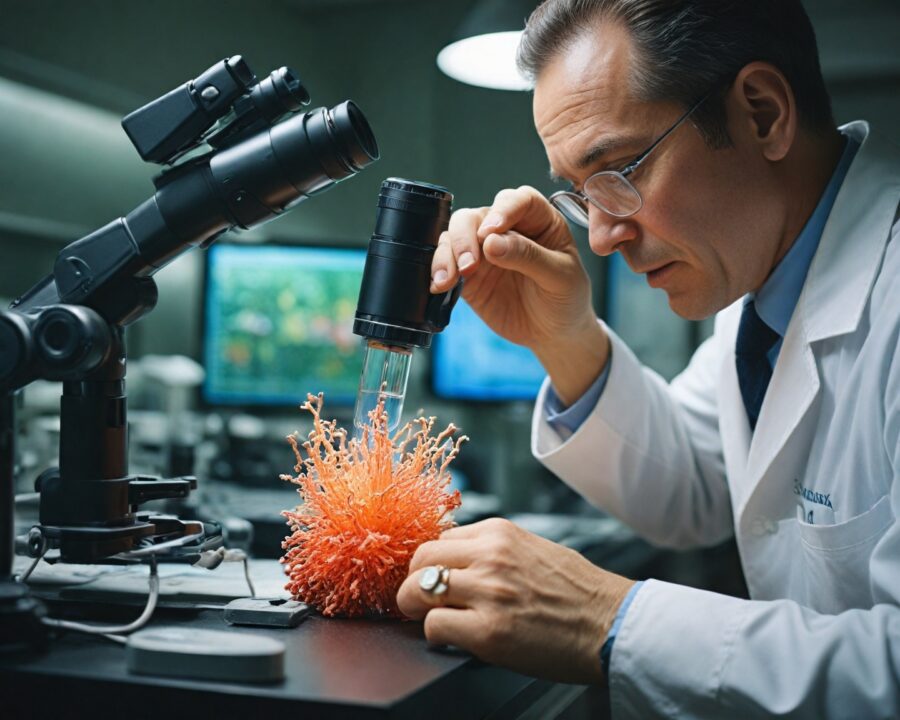
Introduction to Microbiology and Its Importance
Microbiology, the study of microorganisms, opens a gateway into a fascinating world unseen to the naked eye. These tiny organisms, which include bacteria, viruses, fungi, and archaea, play critical roles in our environment, health, and industries. While they are often associated with disease, they are also essential for life on Earth, with countless benefits and applications across various fields.
The importance of microbiology is vast and multifaceted. Not only does it help us understand basic life processes, but it also provides crucial insights into health, agriculture, and biotechnology. By delving into the world of microbes, we uncover how they sustain ecosystems, contribute to medical advances, and impact our daily lives. This exploration not only enriches scientific knowledge but also paves the way for innovative solutions to global challenges.
The Role of Microorganisms in Ecosystems
Microorganisms are the backbone of ecosystems, affecting every facet of the natural world. They participate in nutrient cycling, decomposing organic material and recycling nutrients back into the soil, which is vital for plant growth. Through processes such as nitrogen fixation, certain bacteria convert atmospheric nitrogen into forms that plants can use, thus supporting the growth of vegetation that forms the base of food webs.
Moreover, microorganisms are integral to biodegradation and bioremediation, where they break down pollutants in the environment. This ability is crucial for maintaining ecosystem health and can be harnessed to clean up oil spills and other environmental disasters. Fungi, for example, degrade complex organic compounds, while certain bacteria can metabolize toxic substances into less harmful compounds.
Beyond pollution control, microorganisms form symbiotic relationships with larger organisms. For instance, coral reefs rely on a partnership with symbiotic algae, which supply nutrients through photosynthesis. Such interactions highlight the complex interdependence of life forms and emphasize how vital microorganisms are to the stability and functionality of ecosystems.
Surprising Facts About Bacteria and Their Functions
Bacteria, one of the most studied groups of microorganisms, are incredibly diverse and versatile. These single-celled organisms exhibit a wide array of functions beyond what we typically imagine. For one, vast numbers of bacteria reside in the human body, with the gut microbiome alone outnumbering human cells. This microbiome aids in digestion, synthesizing essential vitamins, and bolstering the immune system.
Bacteria are also remarkable chemists, capable of obtaining energy through diverse metabolic pathways. For instance, some bacteria thrive in extreme environments, such as hydrothermal vents in the ocean, by oxidizing sulfur compounds, showing an adaptability that stretches beyond oxygen or organic matter dependency.
Of particular interest is the ability of some bacteria to exchange genetic material through horizontal gene transfer. This process not only contributes to genetic diversity but also plays a crucial role in the spread of antibiotic resistance, posing significant challenges to modern medicine. Understanding these processes is crucial for developing new strategies to combat bacterial infections.
Viruses: Their Structure and Impact on Life
Viruses straddle the line between living and non-living entities, relying on host cells for replication. Their simple structure usually consists of genetic material enclosed in a protein coat, with variations such as lipid membranes in some types. Despite their simplicity, viruses have a profound impact on nearly all forms of life.
The relationship between viruses and hosts is complex, often affecting population dynamics and driving evolutionary change. Viruses can control host populations by causing diseases, which in turn can lead to natural selection and evolutionary adaptations in resistant hosts. Beyond their role in ecosystems, viruses have been pivotal in research, providing tools for genetic engineering and insights into molecular biology.
However, the impact of viruses extends to public health, as seen with diseases like influenza, HIV, and COVID-19. These viral diseases underscore the importance of studying viral life cycles, transmission dynamics, and host immune responses. Advancements in virology contribute to vaccine development and antiviral therapies, highlighting the critical role of continued research in understanding and combating viral threats.
The Diversity of Fungi and Their Ecological Roles
Fungi represent a diverse kingdom of organisms with crucial ecological roles. Unlike bacteria and viruses, fungi are eukaryotic, with a more complex cellular structure. They exist in various forms, from single-celled yeasts to multicellular molds and mushrooms, each playing distinct roles in ecosystems.
One of the primary functions of fungi is decomposition. Fungi break down tough plant materials, such as lignin and cellulose, recycling nutrients that sustain plants and other organisms. This decomposition process is essential in forests and grasslands, ensuring the continued fertility of these ecosystems.
Fungi also form symbiotic relationships, most notably with plants in mycorrhizal associations. These relationships enhance nutrient uptake for plants while providing carbohydrates to the fungi, showcasing a mutualistic interplay vital for ecosystem productivity. Moreover, certain fungi impact agriculture positively and negatively, as they can promote plant health or, conversely, cause diseases that affect crops.
How Microbiology Contributes to Medicine and Health
Microbiology is at the heart of medical and health advancements. The discipline has elucidated the causes of many infectious diseases, leading to the development of antibiotics, vaccines, and hygienic practices that have dramatically increased life expectancy. For instance, the discovery of penicillin by Alexander Fleming marked the start of the antibiotic era, revolutionizing the treatment of bacterial infections.
In modern healthcare, the study of microorganisms enables better diagnostic techniques and targeted therapies. The human microbiome project, for instance, investigates the role of microbial communities in health and disease, paving the way for personalized medicine. Understanding how variations in the microbiome can influence conditions such as obesity, allergies, and autoimmune diseases holds promise for future therapeutic approaches.
The fight against antimicrobial resistance, a growing global concern, relies heavily on microbiology research. Identifying new antimicrobial compounds, understanding resistance mechanisms, and developing alternative treatments like phage therapy are crucial to ensuring the effectiveness of modern medicine in the face of evolving microbial threats.
Common Misconceptions About Microbes Debunked
Microorganisms often suffer from a bad reputation, linked as they are to diseases and infestations. However, this view overlooks the positive roles that microbes play in our lives and the environment. One common misconception is that all bacteria are harmful. In reality, many are beneficial, playing essential roles in digestion, nutrient cycling, and protecting against pathogens.
Another misunderstanding is that viruses are universally deadly. While some viruses do cause diseases, others can be benign or even beneficial. Bacteriophages, viruses that infect and destroy bacteria, help control bacterial populations and can be used therapeutically to target antibiotic-resistant infections.
Lastly, people often omit the beneficial uses of fungi. Commonly associated with mold and food spoilage, fungi are also crucial for fermenting foods and beverages, producing antibiotics, and decomposing organic matter. By appreciating the diversity and utility of microbes, we gain a more balanced perspective on their roles and contributions to life.
The Role of Microbiology in Food Production and Safety
Microbiology plays a pivotal role in food production and safety. Fermentation, a process driven by microorganisms, is essential for producing a variety of foods and beverages. Yeasts are crucial in baking and brewing, while lactic acid bacteria ferment milk to produce yogurt and cheese, enhancing nutritional content and flavor.
Ensuring food safety also involves microbiology. Understanding how pathogens contaminate food enables the development of effective strategies to prevent foodborne illnesses. Practices such as pasteurization, sterilization, and the use of preservatives are scientifically grounded approaches that mitigate microbial risks, helping to prolong the shelf life of food products.
Moreover, recent innovations harness microbiology to enhance food security. From developing probiotics that promote gut health to bioengineering crops resistant to pests and diseases, microbiology’s applications in agriculture continue to offer promising solutions for a growing global population.
Practical Applications of Microbiology in Daily Life
Microbiology impacts daily life in numerous ways beyond medicine and food. Household products such as detergents and cleaners often rely on microbial enzymes to break down stains and remove odors. These biologically-derived agents provide effective cleaning solutions that are often more environmentally friendly than chemical alternatives.
In renewable energy, microbial fuel cells leverage the metabolic processes of bacteria to generate electricity from organic matter, offering a sustainable energy source. Similarly, microbes are employed in the production of bioplastics, which are biodegradable and reduce reliance on fossil fuels.
Microbes also play a role in waste management and sanitation. Composting involves microbial activity to break down organic waste into nutrient-rich soil amendments, a process crucial for sustainable agriculture. Sewage treatment utilizes microbes to degrade waste, transforming it into safe, reusable water, underscoring the integral role of microbiology in maintaining environmental health.
Future Trends and Innovations in Microbiology Research
The field of microbiology is ripe with innovation and discovery, ushering in an age of unprecedented scientific and technological advances. One burgeoning area is synthetic biology, which seeks to design and engineer new biological parts and systems, often using microorganisms to produce pharmaceuticals, chemicals, and biofuels efficiently.
Advancements in genome sequencing and metagenomics enable researchers to explore microbial diversity more comprehensively, uncovering new species and functions that were previously hidden. This knowledge broadens our understanding of microbial ecosystems and their potential applications in biotechnology and medicine.
In public health, microbiology continues to innovate with new diagnostic tools and treatments. Rapid sequencing technologies and AI-driven analyses enhance our ability to identify pathogens swiftly and accurately, critical for outbreak containment and disease prevention. These innovations, combined with global collaborations, hold promise for addressing complex health challenges in the 21st century.
FAQ
What is the microbiome, and why is it important?
The microbiome refers to the collection of microorganisms, including bacteria, fungi, viruses, and their genetic material, living in a particular environment, such as the human body. It is crucial for maintaining health by aiding in digestion, protecting against pathogens, and regulating the immune system. An imbalance in the microbiome can lead to various health issues, underscoring its importance in overall well-being.
How do viruses differ from bacteria?
Viruses and bacteria are fundamentally different in structure and function. Bacteria are single-celled organisms with their own cellular machinery to grow and reproduce independently. In contrast, viruses are non-cellular and lack the necessary components for self-replication, requiring a host cell to multiply. This distinction is vital for developing treatments, as antibiotics target bacterial processes but are ineffective against viruses.
Can microorganisms be beneficial in agriculture?
Yes, microorganisms play significant roles in agriculture. They enhance soil fertility through nutrient cycling and nitrogen fixation, support plant growth, and help control pests and diseases. Their use in biopesticides and biofertilizers improves crop yields sustainably, reducing reliance on synthetic chemicals and promoting ecological farming practices.
What are some emerging trends in microbiology research?
Emerging trends in microbiology include the expansion of synthetic biology for bioengineering applications, advancements in metagenomics for exploring microbial diversity, and the development of rapid diagnostic tools for infectious diseases. These trends leverage technological innovations to address global challenges in health, agriculture, and environmental sustainability.
How do probiotics work, and are they beneficial?
Probiotics are live microorganisms, usually beneficial bacteria, that confer health benefits when consumed in adequate amounts. They work by enhancing the gut microbiome, improving digestion, and boosting immune function. Probiotics are found in fermented foods and supplements and can be effective in restoring microbiome balance and alleviating digestive disorders like irritable bowel syndrome.
Recap
Microbiology reveals the hidden world of microorganisms that profoundly impact ecosystems, health, and industry. The roles of bacteria, viruses, and fungi are diverse, ranging from sustaining life through nutrient cycling to challenging it through diseases. Their applications in medicine, food production, and environmental management are numerous, showcasing their versatility and importance. As microbiology advances, it continues to unravel complex biological processes, offering innovation and solutions to global challenges.
Conclusion
The study of microorganisms provides invaluable insights into the biological intricacies that sustain life on Earth. While often associated with challenges, such as antibiotic resistance and infectious diseases, the field of microbiology also offers immense opportunities for innovation across various domains. From enhancing food security to pioneering medical breakthroughs, the contributions of microbiologists are essential for addressing some of the most pressing issues faced by humanity today.
As research continues to expand our understanding of microbial life, the future of microbiology promises exciting developments. Embracing this dynamic field not only enhances our scientific knowledge but also equips us with the tools to cultivate a healthier, more sustainable world. The unseen world of microorganisms is a testament to the complexity and resilience of life, inviting curiosity and discovery with every microscopic glance.
References
-
Madigan, M. T., Bender, K. S., Buckley, D. H., Sattley, W. M., & Stahl, D. A. (2018). Brock Biology of Microorganisms. Pearson Education.
-
Prescott, M., Harley, J., & Klein, D. (2020). Microbiology. McGraw-Hill Education.
-
Dubey, R. C., & Maheshwari, D. K. (2013). Practical Microbiology. S. Chand Publishing.