
Fascinating consciousness facts: unraveling the mind’s mysteries
Human consciousness represents one of the most profound and intriguing topics of modern science. As a cornerstone of our experiences, it shapes our reality, influences our thoughts, and transcends the limits of our ordinary perceptions. Understanding consciousness has been of interest to philosophers, neuroscientists, and psychologists alike, each seeking to unlock its secrets. Despite centuries of exploration, complete understanding remains a challenge, continuing to inspire curiosity and ongoing research. From ancient philosophical debates to cutting-edge neuroscience, the exploration of consciousness helps us grasp the essence of what it means to be human.
This article dives into various aspects of consciousness, revealing the intricate ways in which it operates. It provides a comprehensive overview of consciousness, exploring its science and the roles it plays in our lives. Additionally, it examines different states of consciousness, the influences of the subconscious mind, and the philosophical theories that endeavor to explain this enigmatic phenomenon. By examining common myths and the deep connection between consciousness and emotions, this article guides readers into practical mindfulness practices, while also contemplating the future advancements in this captivating field.
What is consciousness? An introduction to the concept
Consciousness, in general terms, refers to the state of being aware of one’s surroundings, thoughts, and experiences. This awareness allows individuals to process their environment, make decisions, and engage with the world in meaningful ways. It encompasses a range of elements, including sensations, perceptions, thoughts, emotions, and intentions, making it a multifaceted and dynamic state of being.
The study of consciousness presents considerable philosophical and scientific challenges. Philosophically, questions arise regarding the nature of consciousness: Is it a product of the brain, or does it exist independently? Scientifically, the difficulty lies in measuring and defining the subjective experience. The field is interdisciplinary, involving contributions from neuroscience, psychology, and cognitive science to understand how and why consciousness arises.
Despite these challenges, the quest to understand consciousness remains vital. It is central to understanding the human experience and poses significant implications for artificial intelligence, mental health, and ethical considerations. Awareness of consciousness influences how we interact with technology, perceive reality, and navigate moral dilemmas in our increasingly digital world.
The science behind human consciousness: how the brain works
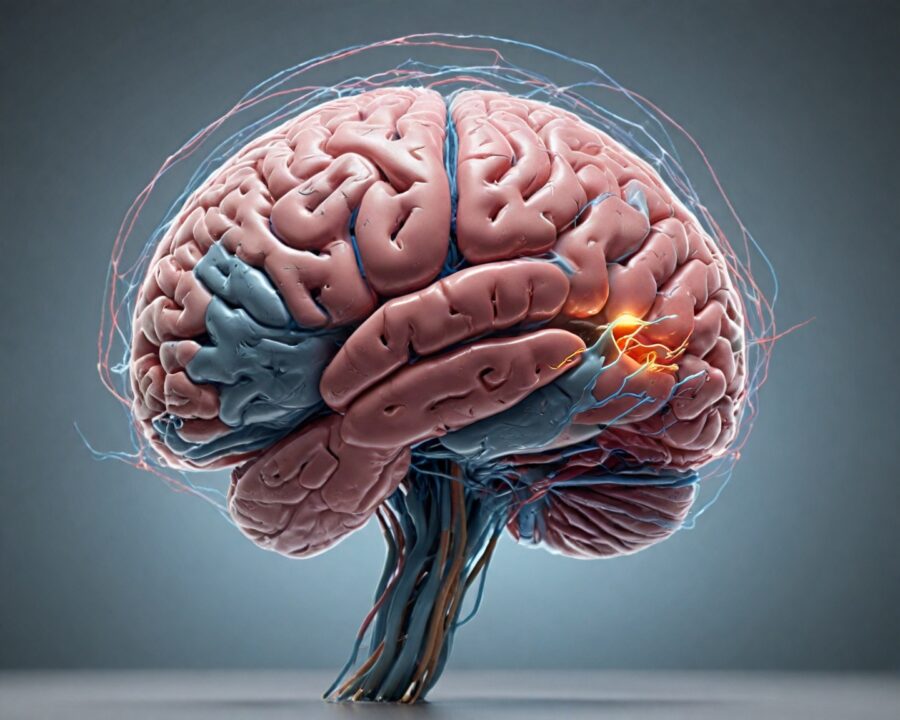
At the core of understanding human consciousness lies the study of the brain and its immense complexities. The brain comprises millions of neurons connected through synapses, forming intricate networks that facilitate cognition and awareness. Each brain region plays a role in forming consciousness, working together to ensure seamless human experience and interaction with the world.
Neuroscientists seek to map out how these networks function in producing conscious experience. Integrative theories suggest that consciousness arises from the interconnected activities between different brain regions, particularly the prefrontal cortex, involved in decision-making and self-awareness. Scientific findings also point to the thalamus and the Default Mode Network (DMN), which become active during passive, introspective thought processes and self-referential thoughts.
Although significant progress has been made, the exact neural mechanisms behind consciousness remain an enigma. Advanced neuroimaging technologies, such as functional MRI and EEG, have unlocked new insights into brain activities, allowing researchers to glimpse the biological basis of consciousness. Even so, the relationship between these physical processes and subjective experience—the mind-body problem—remains one of philosophy’s challenging questions yet to be resolved by science.
Different states of consciousness: from wakefulness to dreams
Consciousness is not a static entity but a fluid experience subject to varying degrees and states. From fully alert wakefulness to the subconscious reverie of dreaming, consciousness encompasses a spectrum of states that influence perception, cognition, and behavior.
Wakefulness
Wakefulness is the most prominent state of consciousness characterized by awareness of one’s surroundings and the ability to engage with the environment. It involves high-level cognitive functions necessary for problem-solving, decision-making, and creative tasks.
Sleep and Dreams
Sleep introduces a different dimension to consciousness. It includes various stages, such as REM (rapid eye movement) sleep, when dreams occur. Dreams represent a unique conscious state, consisting of vivid hallucinations, narrative experiences, and often illogical events. While the purpose of dreaming is yet unclear, theories suggest it may aid memory consolidation, emotional regulation, and creativity.
Altered States
Altered states of consciousness, such as hypnosis, meditation, or drug-induced states, provide alternate ways of experiencing reality. They can significantly impact perception and awareness, demonstrating the flexibility of the cognitive processes underlying consciousness.
The role of the subconscious mind in daily life
The subconscious mind operates beneath the surface of conscious awareness, yet it plays an integral part in shaping thoughts, behaviors, and emotions. While much of its activities remain hidden, it influences decision-making, personality development, and habits.
The subconscious serves as a repository for memories and experiences not currently in focal awareness but can influence current thought processes. Habits and learned behaviors often originate in subconscious depths, guiding daily routines without conscious thought. By storing past experiences, the subconscious impacts responses to stimuli, often instantaneously and automatically.
Understanding the subconscious reveals opportunities to harness its power to facilitate personal growth. Techniques such as hypnosis, self-reflection, and positive affirmations aim to tap into subconscious potential, enabling individuals to overcome fears, alter negative patterns, and foster personal development.
How consciousness evolves: from childhood to adulthood
Consciousness evolves significantly from infancy through adulthood, mirroring cognitive and emotional development. As individuals grow, the awareness of self and environment expands, becoming more complex and reflective.
During early childhood, consciousness centers largely on immediate sensory experiences and exploration. Infants express consciousness primarily through basic emotions and reactions. As language and cognition develop, children begin understanding others’ perspectives, developing self-awareness, and forming a sense of identity.
Adolescence introduces deeper introspection and abstract thinking. The search for meaning, identity, and independence becomes central to consciousness development. Emotional experiences become more nuanced, influencing how individuals relate to the wider world.
Adulthood sees the culmination of these processes, allowing for sophisticated reasoning, empathy, and self-regulation. However, consciousness remains pliable, adapting through life’s stages, experiences, and learning, which continue to shape perceptions and understanding.
Theories of consciousness: exploring philosophical perspectives
The enigmatic nature of consciousness has inspired various philosophical theories seeking to elucidate it. These theories offer different perspectives on how consciousness arises and what constitutes conscious experience, contributing to the rich discourse within the field.
Dualism
Dualism, championed by René Descartes, posits that consciousness exists independently from the physical brain. It separates mind and body, suggesting a non-physical entity influences the experience of being aware.
Physicalism
Conversely, physicalism posits that consciousness is entirely produced by physical interactions within the brain. This view aligns with materialistic explanations emphasizing the biological basis of consciousness, evolving thought-to-action processes.
Panpsychism
Another intriguing perspective is panpsychism, which suggests that consciousness is a fundamental aspect of the universe, present in all matter at varying levels. Though controversial, this theory attempts to address problems in explaining subjective experience using purely physical methods.
These theories underscore the complexity of consciousness, highlighting the diverse avenues explored by scholars in their quest to unravel its mysteries.
Common myths and misconceptions about consciousness
The topic of consciousness is shrouded in myths and misconceptions, often perpetuated by a lack of understanding or misinterpretation of scientific and philosophical insights. Disentangling facts from fiction is essential for a more accurate comprehension of consciousness.
Myths
- Consciousness is only a human trait: While humans possess a high degree of consciousness, evidence suggests that other species exhibit varying levels of awareness and responsiveness to their environments.
- Consciousness is static: Consciousness shifts across time and states, influenced by biological, psychological, and environmental factors. It is not a static entity but a dynamic process.
- Subconscious minds control behavior completely: While the subconscious plays a crucial role in influencing behaviors, conscious awareness and decision-making significantly determine actions.
Addressing these myths fosters a more nuanced grasp of consciousness and its profound breadth beyond simplistic interpretations.
The connection between consciousness and emotions
Emotions are intricately linked to consciousness, shaping conscious experiences and influencing physiological states and behaviors. Emotions can color perception, highlighting the underlying interplay between cognition and affective states.
Consciousness allows individuals to identify, interpret, and respond to emotional stimuli. Emotions often synergize with cognitive processes, impacting decision-making, judgment, and memory retention. For example, fear can heighten awareness, drawing attention to potential threats, whereas joy may enhance creativity and openness.
The conscious recognition of emotions is pivotal in emotional regulation, enabling individuals to adaptively respond to emotional cues. Practices such as mindfulness emphasize awareness of emotions, encouraging acceptance without judgment, which can foster emotional well-being and resilience.
Practical ways to enhance your awareness and mindfulness
Enhancing consciousness involves sharpening awareness and adopting mindfulness practices that foster greater engagement with the present moment. These practices can improve mental health, focus, and overall quality of life.
Meditation
Meditation practices encourage inward reflection, promoting heightened awareness of thought patterns and emotional states. Regular meditation has been shown to enhance focus, reduce stress, and cultivate emotional resilience.
Mindfulness Exercises
Mindfulness exercises, such as focused breathing and body scans, bring attention to the present moment, fostering an acute sense of awareness. These exercises help in minimizing distractions, improving clarity, and promoting calmness.
Journaling
Journaling provides a structured avenue for exploring thoughts and emotions. By writing down daily experiences, it can enhance self-reflection, aid emotional processing, and clarify intentions and goals.
These methods aim to foster an enhanced conscious experience, contributing to mental health and personal growth through deliberate practice.
The future of consciousness studies: what science is uncovering
The future of consciousness studies promises tantalizing discoveries, driven by advances in neuroscience, technology, and cognitive science. As researchers devise novel methodologies to probe the brain, new dimensions of consciousness become unveiled.
Emerging technologies, such as neural implants and brain-computer interfaces, offer unprecedented access to understanding consciousness processes. These innovations facilitate deeper investigations into neural correlates, unlocking potential treatments for brain disorders and augmenting cognitive capabilities.
Moreover, growing interest in artificial intelligence raises questions about machine consciousness’ potential. While debate exists as to whether machines can attain consciousness, this inquiry prompts ethical considerations and philosophical contemplations regarding the nature of awareness.
Consciousness studies continue to captivate scientific inquiry, representing one of the greatest frontiers of human knowledge. As interdisciplinary efforts accelerate, the potential insights promise to redefine our understanding of the mind.
FAQ
What is the definition of human consciousness?
Human consciousness is awareness of one’s environment, thoughts, and experiences. It encompasses the subjective experience of being aware and capable of perception, cognition, and response to stimuli.
What are some scientific methods used to study consciousness?
Neuroscientists use technologies such as EEG, functional MRI, and neuroimaging to study brain activity and consciousness. These tools help observe neural processes, aiding in understanding the biological basis of conscious experience.
How does the brain create consciousness?
The exact mechanisms are not fully understood, but consciousness is thought to arise from complex neural networks and the interaction of brain regions, including the prefrontal cortex, thalamus, and Default Mode Network (DMN).
Are dreams a form of consciousness?
Yes, dreams are considered a form of consciousness experienced during the REM stage of sleep. Dreaming involves vivid imagery and narrative experiences unique to this altered state of awareness.
Can animals experience consciousness?
Research suggests that many animals possess varying levels of consciousness, exhibiting awareness and emotional responses. However, the complexity and depth of consciousness in animals are distinct and diverse.
What is the role of emotions in consciousness?
Emotions play a fundamental role in consciousness by coloring perceptions and influencing behavior. They impact decision-making, memory, and perception, contributing significantly to the conscious experience.
How can I improve my consciousness or awareness?
Activities such as meditation, mindfulness exercises, and journaling can enhance consciousness. These practices encourage present-moment awareness, introspection, and focus, contributing to mental clarity and emotional resilience.
Recap
- Consciousness refers to awareness of self, surroundings, and experiences.
- The brain’s neural networks facilitate consciousness, though exact mechanisms remain partially understood.
- Consciousness manifests in various states, such as wakefulness and dreams, demonstrating its dynamic nature.
- The subconscious mind operates beneath conscious awareness, heavily influencing behavior and thought.
- Consciousness evolves from childhood to adulthood, reflecting developmental changes.
- Philosophical theories, including dualism, physicalism, and panpsychism, explore consciousness’s essence.
- Myths and misconceptions about consciousness include it being solely a human trait or static in nature.
- Emotions and consciousness are interconnected, influencing perception and behavior.
- Enhancing awareness is achieved through mindfulness, meditation, and reflection.
- Future consciousness studies promise insights through technological advances and interdisciplinary research.
Conclusion
Human consciousness remains one of the most captivating subjects, shaping the way we understand ourselves and interact with the world. The study of consciousness spans multiple disciplines, each contributing to a broader and more profound understanding of this complex phenomenon. As science progresses, the mysteries of consciousness gradually unfold, challenging our perceptions and inviting new philosophical and ethical considerations.
The complexities underlying consciousness emphasize our individuality and shared human experience. Conscious awareness enables growth, learning, and emotional connection with others, forming the bedrock of society and culture. The evolving study of consciousness also holds promise for applications in improving mental health, enhancing education, and developing artificial intelligence.
Ultimately, the quest to unravel consciousness builds bridges between neuroscience, philosophy, and psychology, enriching our understanding of who we are. As we continue to explore this wondrous aspect of humanity, the discoveries promise to deepen our appreciation of life, consciousness, and the universe, unveiling new possibilities for humanity’s future.
References
- Koch, C. (2019). The Feeling of Life Itself: Why Consciousness Is Widespread but Can’t Be Computed. MIT Press.
- Tononi, G. (2008). Consciousness as Integrated Information: a Provisional Manifesto. The Biological Bulletin, 215(3), 216-242.
- Chalmers, D. J. (1996). The Conscious Mind: In Search of a Fundamental Theory. Oxford University Press.