
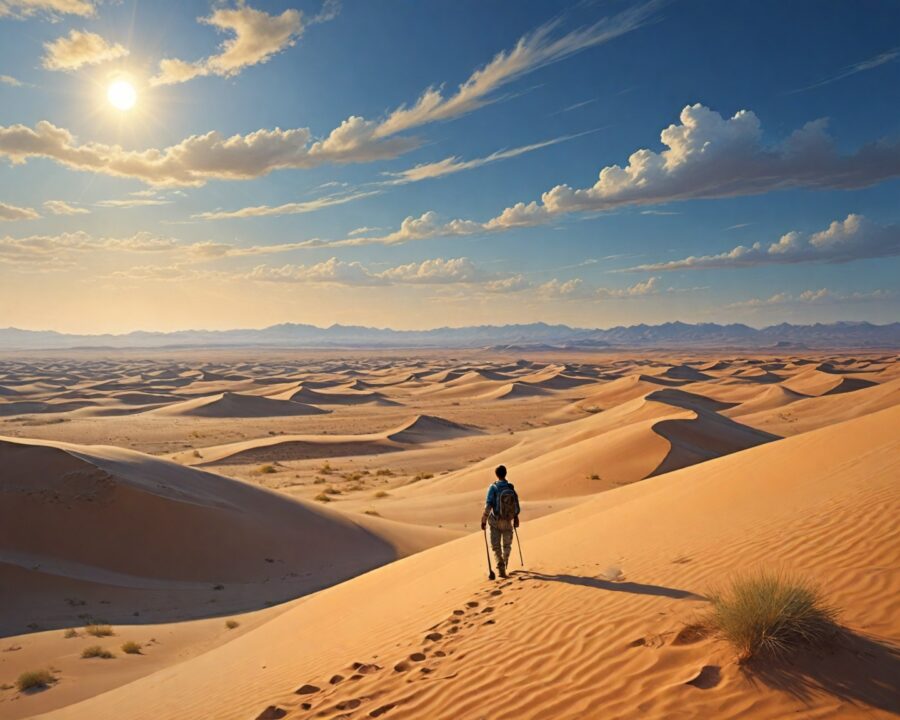
Introduction to Least Populated Travel Destinations
In the world of travel, where bustling cities and popular tourist hotspots often claim the spotlight, there’s a growing allure in exploring the less trodden path. Least populated travel destinations present a unique opportunity for those seeking solitude, tranquility, and unparalleled natural beauty. From the rugged landscapes of the Scottish Highlands to the vast, open expanses of Mongolia, these remote travel destinations offer experiences that are a far cry from the crowded beaches and busy museums found elsewhere.
The allure of these secluded locations lies in the promise of adventure and the chance to disconnect from the hectic pace of modern life. Travelers who embark on journeys to these places are rewarded with intimate encounters with nature, opportunities for deep cultural immersion, and the joy of discovery without the throngs of other tourists. As more people begin to value experiences over mere sightseeing, least populated destinations are becoming increasingly popular among the more adventurous and introspective travelers.
Benefits of Traveling to Remote and Less Crowded Areas
There are numerous benefits to choosing remote travel destinations over more traditional options. For one, the reduced number of tourists often means that the natural beauty of the area is preserved, unspoiled by the wear and tear of heavy foot traffic. This preservation allows for more authentic interactions with the environment and its inhabitants.
Moreover, traveling to less crowded areas often means encountering fewer man-made attractions while getting more opportunities to engage with authentic local culture. Whether it’s participating in traditional craft workshops in a small village or hiking with a local guide through isolated trails, the experiences are more genuine and deeply enriching.
Another significant advantage is the increased sense of tranquility. With fewer people around, the noise levels drop significantly, allowing travelers to enjoy the sounds of nature, whether it’s the rustle of leaves in the wind or the gentle flow of a nearby stream. This peace and quiet can be incredibly therapeutic, offering a welcome escape from the usual hustle and bustle of everyday life.
Top Least Populated Places to Visit Around the World
When considering a trip to a remote travel destination, it’s essential to know which places truly offer that sense of isolation. Here are some top picks for those looking to venture off the beaten path:
| Destination | Country | Population | Highlights |
|---|---|---|---|
| Faroe Islands | Denmark | ~52,000 | Dramatic cliffs, bird watching |
| Socotra | Yemen | ~60,000 | Unique biodiversity, Dragon’s Blood trees |
| Patagonia | Argentina/Chile | Low density | Glaciers, wildlife |
| Svalbard | Norway | ~2,300 | Northern lights, polar bears |
These locations not only boast few inhabitants, but they offer unparalleled natural beauty and opportunities to experience life in its rawest form. Whether you’re drawn to the windswept coasts of the Faroe Islands or the icy expanses of Svalbard, these destinations promise unique and memorable experiences.
How to Plan a Trip to Remote Destinations
Planning a trip to remote travel destinations requires more forethought than simply booking a flight to a popular city. One must consider several factors to ensure a smooth journey and a rewarding experience.
First, it’s crucial to research the best time of year to visit. Many remote areas have extreme weather conditions that can dictate the accessibility and enjoyability of your visit. Understanding the seasonal patterns can help you avoid harsh conditions and ensure you make the most of your time there.
Second, logistics need to be considered carefully. From transportation to accommodation, fewer options are usually available, and it’s wise to book in advance where possible. Additionally, understanding the local infrastructure helps in determining what type of transportation is feasible once you arrive.
Finally, learning about the local customs and language can be incredibly beneficial. In remote areas, English may not be widely spoken, and having a few critical phrases in the local language can ease communication and foster goodwill. Being respectful and knowledgeable about local traditions also enriches your travel experience.
Challenges and Tips for Traveling to Isolated Locations
Traveling to isolated locations comes with its own set of challenges, which, if anticipated, can be easily managed. One major challenge is the potential lack of immediate medical assistance. Thus, travelers should ensure they are in good health and bring necessary medications and first aid supplies.
Connectivity can also be an issue in remote areas, where cell service and internet access might be limited or non-existent. It’s advisable to plan for digital detoxes and inform your close contacts of your travel plans beforehand.
Packing smartly is another tip for overcoming challenges. Due to the limited availability of goods in remote locations, travelers should pack essentials such as food, water, appropriate clothing, and gear for various weather conditions. This self-sufficiency can significantly improve the overall experience.
Cultural and Natural Highlights of Least Populated Areas
Least populated areas often offer rich cultural and natural experiences that are not found in more populated regions. In these areas, travelers can expect to find untouched landscapes and a slower pace of life, giving them a chance to connect with both nature and themselves deeply.
Cultural highlights might include participating in community-led activities, such as traditional dances, storytelling, or local celebrations that provide insights into the ways of life that have been preserved over centuries. Natural highlights often include rare ecosystems and diverse flora and fauna, making these destinations particularly appealing to nature enthusiasts and wildlife observers.
For example, Socotra is known for its rare tree species and unique biodiversity, providing glimpses into a prehistoric world that has remained unchanged over millennia. Similarly, the vastness of Patagonia presents breathtaking vistas and an opportunity to encounter native wildlife such as guanacos and Andean condors.
Sustainable Travel Practices for Remote Destinations
Sustainability is paramount when traveling to remote destinations. Given the fragile ecosystems and limited resources of these areas, responsible travel practices are essential to minimize your impact.
One key practice is to support local economies by choosing locally-owned accommodations and services. This not only benefits the economy but also provides deeper cultural exchanges. Additionally, reduce waste by carrying reusable items like water bottles and bags, and ensuring all trash is disposed of correctly.
Stick to established trails and guidelines to protect the landscape, and be mindful of your carbon footprint by selecting eco-friendly transportation methods. When interacting with local wildlife, maintain a respectful distance to avoid disturbing their natural behaviors. Emphasizing sustainability ensures that these beautiful places can continue to be enjoyed by future generations.
Common Questions About Traveling to Less Crowded Places
How do I ensure safety in remote areas?
Ensuring safety involves being prepared with emergency supplies and equipment, informing someone of your travel plans, and researching potential risks specific to your destination.
Are remote destinations suitable for solo travelers?
Yes, as long as preparations are thorough. Solo travelers should take extra precautions, such as staying informed about local conditions and having a reliable means of communication.
What if I don’t speak the local language?
Basic phrases in the local language can be helpful, along with translation apps. Alternatively, hiring a local guide who speaks English can enhance your experience.
How do I find suitable accommodation?
Research and book accommodations well in advance. Many remote areas have limited options, so early planning is crucial.
What is the best way to handle emergencies?
Understand the nearest help locations and have a plan for communication. Carry a first aid kit, know basic first aid, and consider travel insurance.
How do I prepare for limited connectivity?
Plan for digital detoxes by ensuring practical information such as maps and emergency contacts are downloaded or printed ahead of time.
Can I travel with children to remote destinations?
Yes, but it requires more extensive research into health facilities, safety conditions, and ensuring child-friendly accommodations and activities.
What activities are typical in remote destinations?
Activities often include hiking, wildlife watching, experiencing local culture and traditions, and engaging in eco-tourism initiatives.
Safety Tips for Exploring Isolated Regions
When exploring isolated regions, safety should always be a top priority. Start by sharing your itinerary with someone back home and checking in regularly, if possible. Equip yourself with a robust first aid kit and essential survival tools.
Avoid traveling alone, especially in regions where the terrain can be unpredictable, or wildlife encounters can occur. Travel during daylight hours to avoid the complexities of navigating unfamiliar terrain in poor visibility.
Finally, respect local regulations and safety advisories. Keeping informed about any travel advisories for your chosen destination will prepare you for any potential security or environmental hazards.
Final Thoughts and Next Steps for Planning Your Trip
Embarking on a journey to remote travel destinations is both an invigorating and enlightening endeavor. The experience of exploring isolated areas offers a deeper connection to nature and culture, providing a respite from the fast-paced modern world. By considering the benefits, planning meticulously, and respecting each location’s uniqueness, travelers can ensure a rewarding and sustainable adventure.
With comprehensive preparation, anticipation of challenges, and a focus on responsible travel practices, your next steps toward exploring these least populated places will undoubtedly lead to unforgettable experiences and new perspectives.