
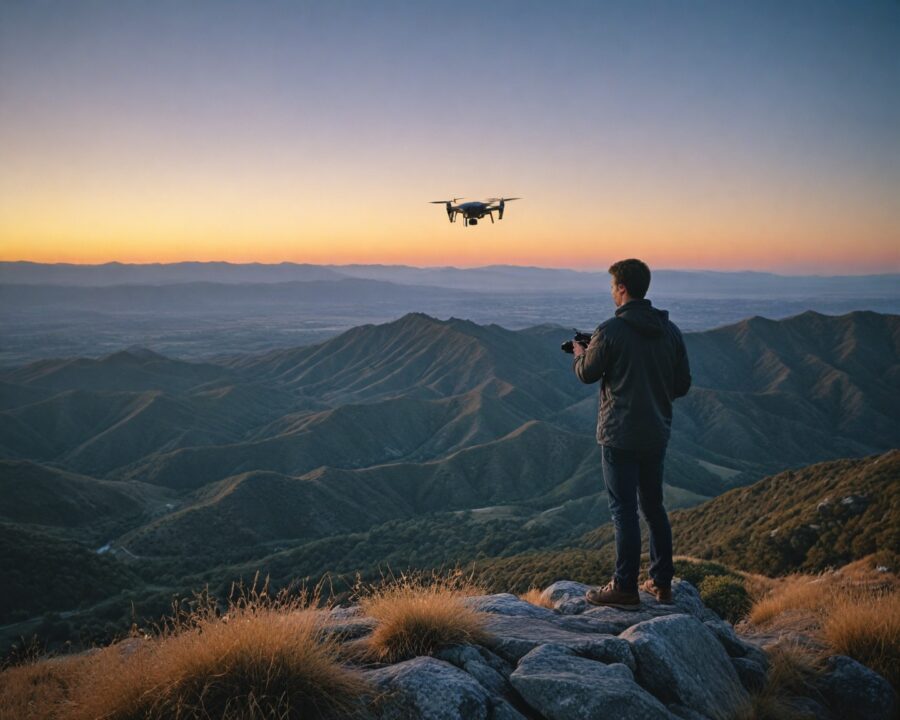
Drones have revolutionized the way we perceive the world from above, providing everyone from hobbyists to professional photographers the ability to capture stunning aerial images that were once only achievable with the help of aircraft or helicopters. The unique vantage point offered by drones has become an essential toolkit not just for professional filmmakers but also for travelers keen on adding a new perspective to their adventures. Drone travel shots offer an artistic and enthralling way to showcase the vibrant colors, unique landscapes, and geometrical beauty of places around the globe.
With drones becoming more accessible and user-friendly, more travelers are inclined to include them in their packing list. However, capturing those breathtaking shots requires more than just owning a drone. It involves understanding various technical and artistic aspects that contribute to beautiful aerial photography. In this guide, we’ll delve into everything you need to know about capturing stunning drone travel shots, including tips for choosing the right drone, executing your shot like a pro, and overcoming common hurdles faced by drone enthusiasts.
Choosing the Right Drone for Travel Photography
When it comes to choosing the right drone for travel photography, several factors should be considered to ensure you capture the best footage possible. Quality, portability, and ease of use are paramount, particularly when you have limited space and are constantly on the move.
Firstly, consider the camera quality. Most drones come equipped with built-in cameras; however, the specs vary greatly. Look for a drone that offers at least a four-kilopixel (4K) resolution for video and a 20-megapixel camera for photos. This ensures crisp, clear footage and the ability to zoom into shots during post-production editing.
Portability is another critical factor. If you’re backpacking across countries or hiking to remote sites, the size and weight of your drone will play a huge role in its practicality. Opt for drones that are lightweight and foldable, making them easy to pack and transport. Popular models like DJI Mavic Air or Parrot Anafi offer excellent quality footage without compromising on size and weight.
Essential Drone Photography Tips for Beginners
Getting started with drone photography can be daunting, but with the right tips and practices, you can elevate your footage from amateur to professional in no time. Here are some essential tips to get you started on capturing stunning shots:
-
Read the Manual: Familiarize yourself with your drone’s controls and settings. This knowledge is crucial in understanding how to operate your drone efficiently.
-
Start with Auto Mode: As a beginner, start by shooting in auto mode to get a feel for how your drone behaves in different lighting and weather conditions. Once you’re more comfortable, transition into manual settings.
-
Use the Rule of Thirds: Apply basic photography principles, such as the rule of thirds, to add depth and interest to your aerial shots. Most drones have grid features to assist in composing shots harmoniously.
Lighting is another crucial element. Take advantage of “golden hour” — the first hour after sunrise and the last hour before sunset. The low angle of the sun creates longer shadows and grants the landscape a warm glow, which enhances the texture in your footage.
How to Plan and Execute Stunning Aerial Travel Shots
Planning your shots makes a significant difference when capturing drone travel photography. It involves more than just knowing your equipment; it requires a thoughtful approach to location and timing.
Before heading out, research the location thoroughly. Look for interesting landmarks, patterns, or features that stand out from above. Use Google Earth or other map services to familiarize yourself with the terrain. Sketch a shot list or storyboard your ideas to maximize your time at the site.
Additionally, consider the weather conditions on the day of the shoot. Windy days are typically unfavorable for drone flights and can lead to shaky footage or accidents. Opt for calm, clear days to ensure smooth flights and detailed imagery. Also, consider the sun’s position, as it will affect shadows and highlights, directly impacting the visual appeal of your footage.
Legal Considerations and Drone Regulations for Travelers
Flying a drone while traveling introduces legal considerations and requirements that cannot be overlooked. Drone regulations differ significantly from one country to another, and ignorance of these rules can lead to confiscation of your equipment, fines, or worse.
Research the local drone laws well before traveling. Some countries require registration, while others allow flights only within certain restricted zones. For example, flying drones over national parks is prohibited in many areas to protect wildlife. The table below summarizes drone regulations in popular travel destinations:
| Country | Registration Needed | Restricted Areas |
|---|---|---|
| United States | Yes | National Parks, Airports |
| France | Yes | Historical Sites, Airports |
| Japan | Yes | Urban Areas, Restricted Zones |
Adhering to these regulations is crucial. Always ensure you have the necessary permits if required, and never fly where it is prohibited. Safe and respectful flying ensures your ability to capture great footage without getting into trouble.
Editing and Enhancing Your Drone Travel Footage
Once you’ve captured your shots, editing becomes a powerful tool to enhance and highlight your footage. Whether you’re adjusting light balance or highlighting specific aspects of the landscape, post-production can turn good footage into incredible visual stories.
Begin by selecting the finest shots that best tell your travel narrative. Use editing software like Adobe Premiere Pro or DaVinci Resolve to trim, color correct, and enhance your footage. Adjust exposures and contrasts to bring out details, and experiment with color grading to set the mood of your film.
Incorporate music and sound effects to complement your visuals. Syncing your drone footage to music can amplify the emotional impact, creating an engaging and memorable experience for your audience. If you’re aiming for a professional touch, consider adding stabilization in post-production to smooth out any shakiness.
Common Challenges in Drone Travel Photography and How to Overcome Them
Drone travel photography can present several challenges, especially in unfamiliar territories. Here’s how to tackle common problems encountered by drone enthusiasts:
-
Battery Life: Drone batteries are notoriously short-lived, with most lasting only 20-30 minutes. Plan your time wisely. Prepare backup batteries, and monitor your drone’s battery levels to avoid running out mid-flight.
-
Signal Interference: Urban areas or high-interference zones can disrupt the drone’s signal. To overcome this, avoid flying near heavy obstructions like metal structures and always maintain a clear line of sight.
-
Weather Conditions: Windy, rainy, or overly sunny days can affect your shot quality. Always check the weather forecast and be prepared to change your plans if conditions aren’t favorable.
Patience is vital. Don’t rush your shots; instead, wait for the right conditions to present themselves, ensuring the best possible capture.
Creative Ideas for Unique Drone Travel Shots
Creativity takes drone photography to new heights—literally and figuratively. Challenge yourself with these ideas to make your aerial shots stand out:
-
Top-Down Views: Capture the world from directly above for a bird’s-eye view that showcases patterns and symmetry unseen from ground level.
-
Reveal Shots: Start with your camera pointed downward, then slowly tilt up to reveal the horizon or a stunning landscape, offering a dynamic storytelling element.
-
Follow Mode: Use this feature to capture moving objects such as cars, boats, or runners. It allows you to showcase energy and movement in your shots.
Experiment with different heights, angles, and speeds to discover unique visuals that highlight the essence of your destination.
Best Destinations for Capturing Breathtaking Drone Footage
Certain locations offer unparalleled opportunities for capturing standout drone footage. These destinations provide dramatic backdrops that enhance the visual impact of aerial shots:
-
Iceland: The land of fire and ice delivers otherworldly landscapes with its geysers, waterfalls, and volcanic terrains, ideal for drone perspectives.
-
New Zealand: With its varied topographies and lush greenery, New Zealand is a treasure trove for drone enthusiasts seeking epic nature shots.
-
Petra, Jordan: Ancient and awe-inspiring, the stone city of Petra provides rich historical context and stunning shots amidst desert landscapes.
These locations not only provide the perfect canvases for striking visuals but also invite exploration and adventure off the beaten path.
Practical Tips for Maintaining Your Drone While Traveling
Keeping your drone in top condition is crucial, especially when traveling. Here are some practical maintenance tips:
-
Regularly Check Your Equipment: Inspect your drone before and after each flight for any damage or necessary repairs.
-
Transport Safely: Use a dedicated, padded case to protect your drone during transit. Avoid cramped spaces where it might be crushed.
-
Software Updates: Keep your drone’s firmware and software up to date to access new features and ensure optimal performance.
Taking care of your equipment ensures it performs well when needed, prolonging its lifespan and reliability during your travels.
FAQ
How do I choose the right drone for my needs?
Consider factors such as camera quality, portability, battery life, and ease of use. Choose a drone that fits your travel style and shooting requirements, ensuring it has adequate features to accomplish your creative goals.
Is it necessary to have a license to fly a drone abroad?
Regulations vary by country. Some require registration, while others impose restrictions on flying in specific areas. Research the specific drone laws of your destination well in advance.
What is the best time of day for drone photography?
The golden hour, occurring shortly after sunrise and before sunset, is ideal for drone photography. This time offers warm, soft lighting with longer shadows, emphasizing textures and enhancing imagery.
How do I stabilize shaky drone footage?
Utilize video editing software with stabilization features. Programs like Adobe Premiere or Final Cut Pro offer options to smooth out shaky footage.
Can I fly a drone in national parks?
Most national parks prohibit drone flights to protect wildlife and natural habitats. Always check local regulations and abide by restricted area guidelines.
What should I do if my drone loses signal during a flight?
Ensure your drone is set to return-to-home mode in case of signal loss. Fly in open areas with a clear line of sight to prevent signal interference.
Recap
In this article, we explored various aspects of drone travel photography, from selecting the right equipment to creative shooting techniques. We covered essential beginner tips, planning effective aerial shots, and the importance of understanding legal considerations when flying drones abroad. The information presented in the editing section equips you with tools to enhance and refine your footage, while maintenance tips ensure your drone’s longevity. Additionally, exploring creative ideas and top destinations presents opportunities for enhancing your photographic projects.
Conclusion
Drone travel photography opens new vistas in the world of imagery, allowing you to capture breathtaking scenes from unimaginable angles. These perspectives reveal the earth’s beauty and intricacy, storytelling through patterns, shapes, and colors that add depth to travel memories.
By understanding the essentials of drone operations, respecting legal requirements, and engaging with both creative and technical processes, you can create stellar visuals that leave a lasting impression. As drone technology continues to evolve, embracing these tools expands the boundaries of what is possible in travel photography.
References
- National Geographic. “10 Places to Capture Perfect Aerial Photos with Your Drone”, National Geographic, September 2022.
- Drone Zone. “Understanding Drone Regulations Across the Globe”, Drone Zone, May 2023.
- Adobe. “Guide to Editing Drone Footage Professionally”, Adobe Creative Cloud, August 2023.