
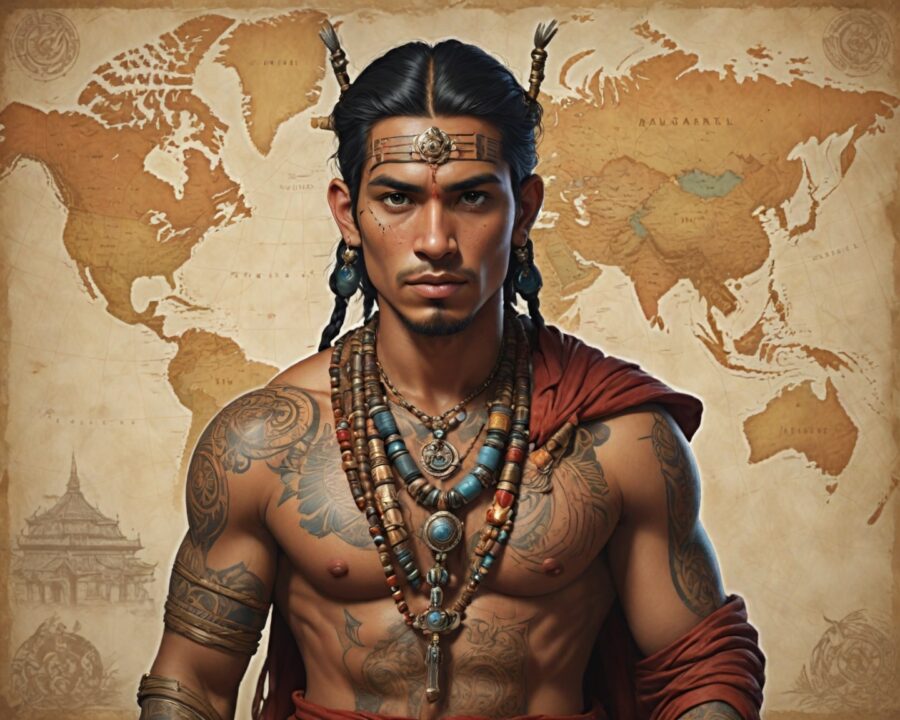
Introduction to Body Transformation Across Cultures
Body transformation stories have been an integral part of human culture throughout history. Across different eras and geographies, the narratives around transforming the body have varied significantly, reflecting the diverse cultural ideals and societal values. Whether motivated by aesthetic, spiritual, or health-related reasons, the concept of reshaping our physical form transcends borders, symbolizing personal and collective identity in various fascinating ways.
Exploring the global perspective of body transformation offers an enlightening view of how cultural narratives shape our understanding of beauty, identity, and self-worth. By examining historical accounts, cultural practices, and modern interpretations, we can gain a deeper appreciation of how body transformation stories contribute to the rich tapestry of human experience, echoing the timeless quest for transformation of the self.
Historical Perspectives on Body Transformation
Throughout history, societies have embraced unique forms of body transformation to express cultural values or beliefs. In ancient Egypt, for instance, body modification like tattoos or elaborate hairstyles signified social status or religious affiliation. Similarly, Chinese foot binding, which began in the 10th century, embodied ideals of beauty and prestige, despite its debilitating effects.
Across the globe in Africa, scarification has been practiced among various tribes as a rite of passage, a form of tribal identification, or a method to enhance beauty. Each slash is a bodily story that carries both personal and cultural significance, revealing intricate connections between identity and community belonging.
In different epochs of European history, the corset symbolized an ideal body silhouette, shaping women’s figures to align with prevailing aesthetic standards. Such transformations were both physical and cultural, as the corset became a symbol of femininity and societal conformity during the Victorian era. These historical practices illustrate the depth and diversity of body transformation stories across cultures.
Cultural Ideals and Their Impact on Body Image
Cultural ideals significantly shape perceptions of body image, influencing individual and collective self-esteem. In many Western societies, the ideal body has often been influenced by media portrayals of slimness, leading to a pervasive focus on dieting and fitness. This preoccupation with weight loss reflects broader cultural narratives about health, beauty, and success.
Conversely, some non-Western cultures celebrate fuller figures as indicative of health, wealth, and fertility. In Mauritania, for example, the tradition of “gavage” involves the intentional fattening of girls to prepare them for marriage, as plumpness is equated with prosperity and attractiveness.
Cultural ideals can also impact body image beyond physical appearance, embracing notions of strength, resilience, or spiritual enlightenment. In Japan, the concept of “hara” emphasizes a strong abdomen as key to health and personal strength, demonstrating the dynamic ways cultural ideals manifest in body transformation stories.
Rituals and Traditions Shaping Body Transformation
Rituals and traditions play a crucial role in shaping body transformation stories across cultures. Many Indigenous peoples practice coming-of-age ceremonies that include body alterations, signifying growth and new roles in the community. For example, the Maasai of Kenya and Tanzania engage in the ritual of earlobe stretching, marking the transition to adulthood.
In India, the festival of Karva Chauth involves fasting and rituals performed by married women to ensure the longevity and health of their husbands, showcasing a spiritual form of body transformation. Such traditions reflect broader societal values and underscore the diverse motivations behind altering the body.
In Buddhist cultures, meditation and disciplined mindfulness practices aim to transform the body and mind, achieving spiritual enlightenment. These rituals highlight the intersection of physical and spiritual transformation, illustrating how cultural practices foster both individual and communal identity.
Modern Interpretations of Body Transformation
Modern interpretations of body transformation are heavily influenced by technological advancements and evolving cultural values. The availability of cosmetic surgery, non-invasive procedures, and fitness innovations has expanded the realm of possibilities for bodily change. Today, people can pursue body transformations with unprecedented precision and accessibility.
Social media also plays a significant role in shaping contemporary body transformation stories. Platforms like Instagram and TikTok amplify diverse narratives, alongside transformative “before and after” stories that inspire and empower wide audiences. Beyond aesthetics, these stories often highlight journeys of self-discovery and empowerment.
Importantly, modern interpretations are increasingly embracing body positivity and inclusivity, challenging previous narrow standards of beauty. Movements advocating for the acceptance of various body types offer new narratives that prioritize mental well-being and holistic health.
Body Transformation in Art and Literature
Art and literature provide powerful lenses through which body transformation stories are portrayed and immortalized. From classical sculptures to modern installations, artists have depicted transformed bodies, questioning and celebrating the cultural standards of the time. Michelangelo’s David, for instance, epitomizes the Renaissance ideal of physical perfection.
In literature, characters undergo profound physical changes that often symbolize internal development. Franz Kafka’s “The Metamorphosis” uses the protagonist’s transformation into an insect to explore themes of alienation and identity crisis. Such works illustrate how body transformation transcends mere physicality, offering deeper narratives about human experience.
Contemporary artists and writers continue to explore these themes, reflecting current dialogues around body image and societal pressures. Through varied media, they give voice to diverse transformation stories, challenging audiences to contemplate the multifaceted nature of identity and embodiment.
Common Myths and Misconceptions About Body Transformation
Body transformation is often surrounded by myths and misconceptions that can lead to unrealistic expectations and misconceptions. A prevalent myth is that body transformation is purely physical and can be achieved without addressing psychological and emotional health. This belief overlooks the holistic nature of transformation that includes mental well-being.
Another common misconception is that all body transformations are rooted in vanity. In reality, many transformations stem from personal desires for health, healing, or self-expression. Understanding the varied motivations helps debunk these myths, fostering empathy and respect for individual journeys.
Finally, the myth that body transformation is solely a modern phenomenon disregards centuries of cultural practices and traditions. Recognizing its historical roots highlights the universality of transformation stories, challenging the notion that they are a recent cultural trend.
The Role of Media in Shaping Body Transformation Narratives
Media significantly influences perceptions of body transformation, shaping societal standards and individual identities. Film, television, and advertisements often promote idealized images that set unattainable standards, contributing to body dissatisfaction and self-esteem issues. However, media can also serve as a platform for change, promoting diverse and inclusive narratives.
Social media, in particular, has become a double-edged sword in body transformation stories. While it can perpetuate harmful stereotypes, it also provides a space for empowerment and community building. Many influencers and activists use these platforms to share personal stories and advocate for body acceptance and diversity.
To reshape media narratives positively, it’s crucial to support and amplify voices that offer authentic, diverse representations of body transformation. This shift encourages a richer understanding of the complex narratives surrounding physical change, empowering individuals to embrace their own unique stories.
Practical Steps to Understand Cultural Body Ideals
Understanding cultural body ideals requires curiosity, respect, and open-mindedness. Here are some steps to gain a deeper insight into diverse cultural narratives:
- Research extensively: Read books, watch documentaries, and attend cultural exhibitions to learn about various body ideals and transformations worldwide.
- Engage with communities: Speak with individuals from different cultural backgrounds to gain firsthand perspectives on their body-related traditions and beliefs.
- Reflect critically: Analyze how your own cultural background shapes your views on body transformation, recognizing biases and assumptions.
- Support diverse media: Seek out and support media that portrays varied body types and narratives, challenging traditional beauty standards.
- Participate respectfully: Involve yourself in cultural events or practices that highlight body transformation, ensuring you do so with respect and sensitivity.
These steps equip individuals with the knowledge and empathy needed to appreciate the rich tapestry of global body transformation stories.
Conclusion: Embracing Diversity in Body Transformation Stories
Embracing the diversity of body transformation stories involves a conscious effort to understand and honor the myriad ways people have altered their bodies throughout history and across cultures. This journey not only challenges prevailing beauty ideals but also fosters a global community that values uniqueness and inclusivity. By recognizing and celebrating these diverse narratives, we can move towards a more accepting world that embraces all forms of beauty and self-expression.
FAQ
What are some historical examples of body transformation?
Historical examples include Egyptian tattoos, foot binding in China, and African tribal scarification, each reflecting cultural values and societal norms.
How do cultural ideals shape body image?
Cultural ideals influence body image by promoting specific standards of beauty or health, which can impact self-esteem and personal goals, as seen in Western and non-Western societies.
What role do rituals play in body transformation?
Rituals often signify significant life transitions or spiritual journeys, shaping body transformation through practices like Maori tattooing or Buddhist meditation.
How has media affected modern body transformation narratives?
Media has both perpetuated unrealistic beauty standards and provided a platform for diverse and inclusive body transformation stories, influencing societal perceptions.
What are some misconceptions about body transformation?
Misconceptions include viewing body transformation purely as a superficial pursuit or ignoring its historical and cultural significance, limiting understanding of its holistic nature.
How can one appreciate diverse body transformation stories?
Appreciating diverse stories involves research, engaging with different communities, critically reflecting on personal biases, and supporting diverse media representations.
Recap
The article explored diverse perspectives on body transformation across cultures, touching on historical practices, cultural ideals, and modern interpretations. The importance of understanding diverse narratives was emphasized, challenging myths and highlighting media’s role in shaping perceptions. Practical steps were provided to foster an appreciation of cultural body ideals, culminating in a call to embrace the diversity inherent in body transformation stories worldwide.