
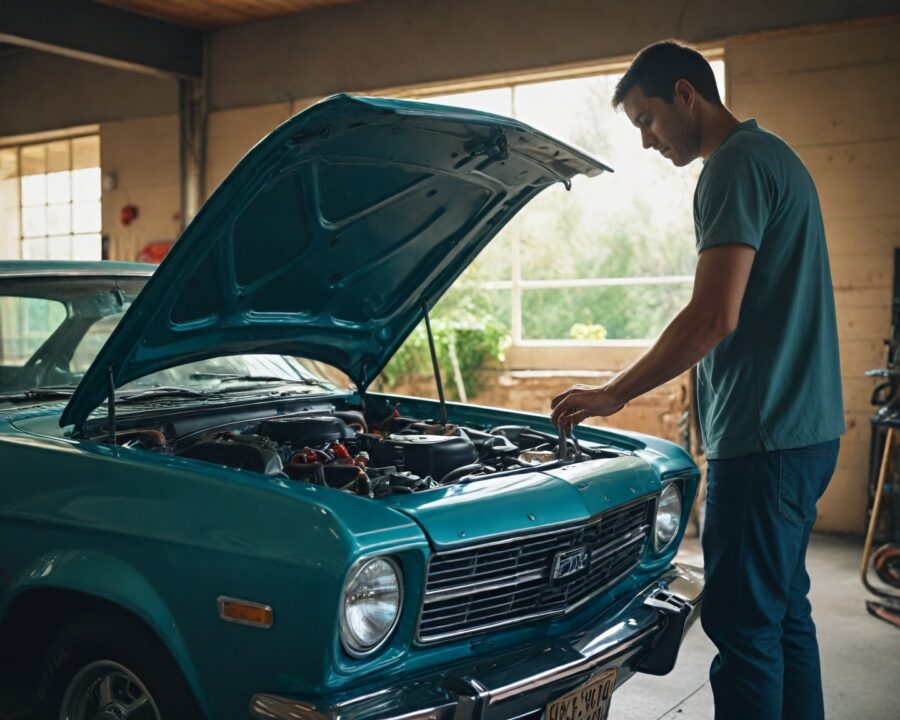
Car maintenance is a crucial aspect of owning a vehicle, often overlooked until an issue arises. Regular vehicle maintenance ensures that your car runs efficiently, prolongs its lifespan, and helps you avoid costly repairs. Whether you’re a seasoned driver or a new car owner, understanding the essentials of car care can save you significant time and money. This comprehensive guide will walk you through the vital steps of maintaining your vehicle, from regular inspections to necessary DIY fixes.
In this article, we’ll explore various components of vehicle maintenance, emphasizing practical advice you can apply today. You’ll learn about essential tools for car care, tips for maintaining engine and tire health, and strategies to prepare your vehicle for seasonal changes. We’ll also touch on the common mistakes car owners make and how to develop a maintenance schedule that ensures long-term care. By the end of this guide, you’ll have a solid foundation for keeping your car in top condition.
The Importance of Regular Car Maintenance
Regular car maintenance is akin to healthcare for humans; it’s preventative and ensures the well-being of the automobile. Keeping up with maintenance not only prolongs the life of your car but also enhances safety and efficiency. A well-maintained car is less likely to suffer catastrophic breakdowns, which can lead to accidents or leave you stranded in inconvenient locations.
Routine maintenance tasks include checking fluid levels, inspecting belts and hoses, and ensuring that tires are properly inflated. Performing these checks regularly mitigates the risks of unchecked problems worsening over time. For instance, low engine oil levels can lead to significant engine damage, while under-inflated tires can affect fuel efficiency and handling.
Moreover, staying on top of car maintenance directly impacts your finances. Well-maintained vehicles tend to have higher resale values. Additionally, regular maintenance can help identify issues early on, avoiding expensive repairs associated with advanced damage. Ultimately, investing time and effort in routine car care pays dividends in safety, performance, and economy.
Essential Tools for DIY Car Care
Having a set of essential tools is the starting point for any DIY car maintenance task. While some car care tasks require specialized equipment, many can be completed with basic hand tools found in most garages. A combination of essential tools can empower you to handle small repairs and maintenance tasks independently.
Here are some must-have tools for DIY car enthusiasts:
-
Socket Set: A good socket set is indispensable for a variety of tasks, from changing oil to replacing batteries.
-
Torque Wrench: Ensures that bolts are tightened to the vehicle manufacturer’s specifications, preventing damage from over-tightening.
-
Jack and Jack Stands: To lift the car safely when changing tires or inspecting the undercarriage.
-
Oil Filter Wrench: Makes removing stubborn oil filters easier without damaging them.
Apart from these, having a sturdy toolbox, a set of screwdrivers, pliers, and a tire pressure gauge can cover most basic maintenance tasks. Investing in these tools not only saves money but also provides a deeper understanding of your vehicle’s mechanisms.
How to Check and Change Your Car’s Oil
Oil changes are one of the most fundamental vehicle maintenance tasks, vital to keeping your engine running smoothly. Over time, engine oil degrades and loses its capability to lubricate, clean, and cool the engine. Regular oil checks and changes can prevent engine wear and ensure peak performance.
To check the oil level, locate the dipstick under the hood. Pull it out, wipe it clean, reinsert it, and pull it out again to read the level. If the oil is below the mark, it indicates a need for a top-up. Pay attention to the oil’s color; it should be amber. Dark oil requires a full change.
Changing your car’s oil involves a few steps. You’ll need to:
- Drain the old oil by removing the drain plug.
- Replace the oil filter.
- Add new oil as per the car’s requirements.
Always consult your vehicle’s manual before any maintenance, and recycle the old oil responsibly. Regular oil changes ensure the engine operates efficiently and extends its lifespan.
Tips for Maintaining Tire Health and Pressure
Tires are the only point of contact between your car and the road, making their maintenance crucial for safety and performance. Keeping tires in good condition involves several routine checks and practices.
Firstly, regularly check your tire pressure. Correct pressure levels are specified in your vehicle’s manual. Under-inflated tires can cause poor fuel economy and uneven tread wear, while over-inflated tires can lead to a harsh ride and increased risk of blowouts.
Secondly, examine the tread depth. Adequate tread is necessary for grip, especially in wet conditions. Most states require a minimum tread depth of 2/32 inch, but for better handling, maintain at least 4/32 inch tread depth. You can use a penny or a tread depth gauge for measurement.
Lastly, regular tire rotations are vital. This practice ensures even tire wear, extending the life of your tires. Typically, tire rotation should be performed every 6,000 to 8,000 miles. Check your owner’s manual for the manufacturer’s recommendation and rotational patterns.
How to Inspect and Replace Air Filters
Air filters play a significant role in preventing dirt, dust, and debris from entering the engine, thus ensuring optimal performance and fuel efficiency. Over time, air filters can become clogged, leading to reduced airflow, increased emissions, and decreased engine performance.
To inspect an air filter, first locate it under the hood of your car. Remove the housing cover, and examine the filter against a light source. If you can’t see light through the filter, it’s time for a replacement. A clean filter is critical; a dirty one can reduce air intake and affect engine efficiency.
Replacing an air filter is a straightforward process:
- Remove the old filter from its housing.
- Clean the air filter housing with a damp cloth.
- Insert the new filter.
Regularly replacing air filters, ideally every 15,000 to 30,000 miles or as recommended by your car’s manual, keeps your engine running efficiently and can improve fuel economy.
Understanding and Maintaining Your Car’s Battery
A car battery is crucial for starting your vehicle and powering all electrical systems. Regular battery maintenance helps avoid sudden failures and extends its life. Understanding the basics can save you stressful situations.
Check the battery regularly for corrosion on terminals, which can hinder electric flow. Use a mixture of baking soda and water to clean the terminals gently. Coat them with petroleum jelly to avoid future corrosion.
Battery voltage should also be checked with a multimeter. A healthy battery rests at about 12.6 volts when fully charged and shouldn’t fall below 12.4 volts. If you notice frequent starting issues, it might be time to test the battery.
Additionally, make sure the battery is firmly secured in its tray, as vibrations can shorten its lifespan. Over time, even well-maintained batteries degrade; typically, car batteries last 3 to 5 years. Keep an eye on its performance and replace it when necessary.
The Role of Brake Maintenance in Vehicle Safety
Brakes are the most critical safety feature, making their maintenance non-negotiable in vehicle care. Faulty brakes can lead to dangerous situations on the road, emphasizing the importance of regular checks.
Routine inspections should include brake pads, rotors, and fluid. Brake pads wear down over time, and thin pads affect braking efficiency. Generally, pads need replacing after about 30,000 to 70,000 miles, depending on driving habits and vehicle type.
Checking brake fluid is vital; low levels or dirty fluid can impair braking performance. Ideally, brake fluid should be replaced every two years. You should also keep an ear out for unusual sounds like squealing or grinding, which indicate brake component wear and the need for professional inspection.
Maintenance Checklist
| Component | Maintenance Frequency |
|---|---|
| Brake Pads | 30,000 – 70,000 miles |
| Brake Fluid | Every 2 years |
Effective brake maintenance ensures that your vehicle remains responsive and safe for all driving conditions.
Seasonal Car Maintenance Tips for Winter and Summer
Different weather conditions require distinct approaches in car maintenance. Preparing your vehicle for seasonal changes ensures it performs reliably no matter the climate.
Winter Maintenance:
- Battery Check: Cold weather can diminish a battery’s capacity. Ensure it’s fully charged and terminals are clean.
- Antifreeze Levels: Check and top-up antifreeze; it prevents the engine from freezing.
- Tires: Consider winter tires for better grip on snow and ice.
Summer Maintenance:
- Cooling System: Ensure the radiator and fans are functioning well to avoid overheating.
- Air Conditioning: Check the system for leaks and efficiency to maintain comfort during hot months.
- Tire Pressure: Tires tend to expand in heat, requiring regular pressure checks to avoid blowouts.
Adjusting your maintenance routine for the seasons not only ensures comfort but also keeps your vehicle running safely and efficiently year-round.
Common Car Maintenance Mistakes to Avoid
Even with the best intentions, car owners can make maintenance mistakes that lead to significant problems. Avoiding these common errors can save time and costly repairs.
-
Ignoring Warning Lights: Dashboard lights are indicators of possible issues. Ignoring them can lead to severe damage and safety risks.
-
Skipping Scheduled Services: Vehicle manufacturers provide a maintenance schedule for a reason. Neglecting these can result in poor performance and greater repair costs.
-
Using Incorrect Fluids: Always check your vehicle’s manual to determine the correct oils, coolants, and brake fluids. Incorrect types can harm the engine and other systems.
-
Neglecting Tire Maintenance: Tires are essential for grip and fuel efficiency. Regular checks and rotations are necessary for safety and longevity.
By avoiding these pitfalls, you can ensure a longer life for your car and lessen the likelihood of unexpected mechanical failures.
Creating a Car Maintenance Schedule for Long-Term Care
Establishing a structured car maintenance schedule is pivotal for ensuring the longevity of your vehicle. This proactive approach prevents small issues from becoming costly repairs.
Start by reviewing your vehicle’s manual for the manufacturer’s maintenance recommendations. This typically includes regular oil changes, tire rotations, brake checks, and fluid level inspections. For long-term care, consider these intervals:
- Oil Changes: Every 3,000 to 5,000 miles or as recommended.
- Tire Rotations: Every 6,000 to 8,000 miles.
- Brake Inspections: At every oil change.
- Air Filter Replacement: Every 15,000 to 30,000 miles.
By adhering to a routine, you not only keep your car running efficiently but also enhance its resale value. Utilize a planner or digital reminders to track when services are due, ensuring nothing is overlooked.
FAQ
How often should I change my car’s oil?
Typically, you should change your car’s oil every 3,000 to 5,000 miles, but this can vary based on the vehicle and the type of oil used. Always refer to your vehicle’s manual for specific recommendations.
What is the importance of maintaining proper tire pressure?
Maintaining proper tire pressure is crucial for safety, fuel efficiency, and tire longevity. Inaccurate pressure can lead to poor handling, increased fuel consumption, and a greater risk of tire blowouts.
How can I tell if my brake pads need replacing?
Signs that your brake pads need replacing include squealing noises, a longer stopping distance, and a warning light on your dashboard. Regularly inspect brakes to ensure they are in good condition.
When should I replace my car battery?
Most car batteries last between 3 to 5 years. If you experience difficulty starting your vehicle or notice corrosion on the terminals, it’s time to test the battery and consider a replacement.
Why is seasonal maintenance important?
Seasonal maintenance addresses specific weather-related issues, ensuring your vehicle remains reliable and safe. Each season presents unique challenges, such as extreme temperatures affecting battery performance or tire grip.
Recap
This guide underscores the importance of regular vehicle maintenance, from simple inspections to seasonal care. Understanding how to check fluids, maintain tire health, and adhere to a structured schedule can significantly extend your car’s life. Avoiding common mistakes and addressing issues promptly enhances safety and performance, offering peace of mind for all drivers.
Conclusion
Maintaining your vehicle is a commitment to both safety and efficiency, impacting your driving experience and overall vehicle longevity. By embracing regular maintenance practices, you mitigate the risk of major mechanical failures and improve your car’s resale value. Whether it’s performing routine oil checks, ensuring tire safety, or preparing your car for seasonal changes, these efforts collectively contribute to a safe and dependable driving experience.
Being proactive about vehicle care not only saves money in the long run but also enhances the joy of driving, knowing your vehicle is performing at its best. Empower yourself with knowledge and tools to handle basic maintenance tasks and set a schedule, ensuring your investment serves you well into the future.
References
- AAA Automotive. “Car Maintenance Checklist.” AAA Exchange, www.exchange.aaa.com.
- Federal Trade Commission. “Auto Repair Basics.” Consumer Information, www.consumer.ftc.gov.
- National Highway Traffic Safety Administration. “Vehicle Maintenance Schedules and Safety.” NHTSA, www.nhtsa.gov.