
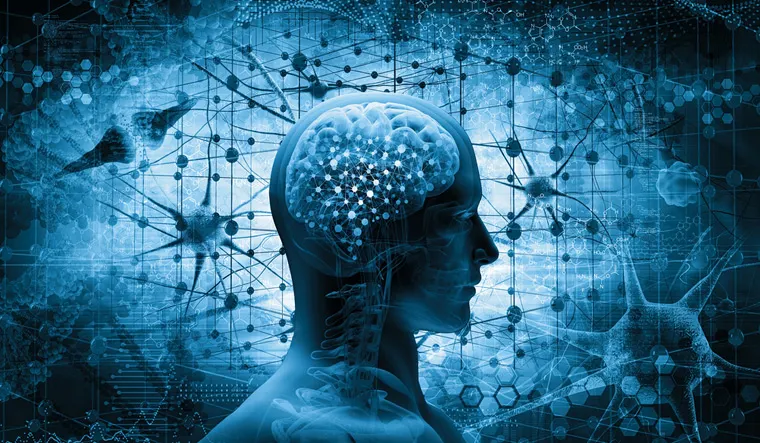
Introduction to the Brain’s Complexity
The human brain remains one of nature’s most intricate creations, a sophisticated organ responsible for a myriad of functions essential for life. From the simplest acts of breathing to the complex process of decision-making, the brain orchestrates an impressive symphony of neural activities. Despite the abundance of information gathered through centuries of study, the brain continues to astound scientists with its complexity. The pursuit to unravel the mysteries contained within our skull is far from over, as each discovery often leads to more questions.
Our brain doesn’t merely manage life’s daily tasks; it encompasses the essence of who we are, merging biology with abstract concepts like thoughts, memories, and dreams. Every endeavor to understand the brain is met with the realization of its immeasurable depth. This intricate organ holds unexplained phenomena and unsolved mysteries, posing challenges that excite researchers and lay foundations for future discoveries. As we delve deeper into the enigmatic world of the human brain, we gain insights that may one day unlock the answers to the most profound questions about human existence.
The Role of Neurons and Synapses in Brain Function
The foundation of the brain’s complexity lies within its multitude of neurons and synapses. Neurons are specialized cells that transmit messages throughout the brain and body, forming intricate networks that enable every thought, emotion, and movement. Each neuron connects with others via synapses, which are tiny gaps allowing for the exchange of chemicals called neurotransmitters. These exchanges are the basis of communication within the nervous system.
The interplay between neurons and synapses is central to brain function. There are an estimated 86 billion neurons in the human brain, each forming connections with thousands of other neurons, resulting in trillions of synapses. This vast network is responsible for the brain’s ability to process information rapidly and efficiently. It is the dynamic nature of these synaptic connections that allows for learning and memory, as the brain constantly adapts by strengthening or weakening synaptic links based on experiences.
Moreover, the complexity of neuronal communication is enhanced by plasticity—the brain’s ability to change and reorganize itself. Plasticity explains how we can recover from injuries, learn new skills, and adapt to new environments. It is this extraordinary adaptability that distinguishes the human brain from other species, underpinning our capacity for innovation and creativity.
Unexplained Phenomena in Brain Activity
Despite advances in neuroscience, certain aspects of brain activity remain enigmatic. Phenomena such as savant syndrome, synesthesia, and psychic experiences challenge our understanding of the brain’s capabilities. Savant syndrome, for instance, involves individuals with developmental disorders exhibiting extraordinary abilities in specific areas, such as music or mathematics, often accompanied by limited overall functioning—a paradox that defies straightforward explanation.
Synesthesia presents another intriguing mystery, in which individuals experience a blending of senses. A person with synesthesia might “see” music as colors or associate specific smells with particular shapes. This condition poses questions about how sensory pathways communicate and interconnect within the brain, leading to these unique perceptions.
Additionally, experiences like déjà vu and precognitive dreams blur the line between natural brain function and the unexplained. While numerous theories attempt to explain these phenomena, including the brain’s complex memory recall systems and subconscious processing, definitive answers remain elusive. Such mysteries fuel ongoing research and continue to push the boundaries of our understanding of brain function.
The Mystery of Consciousness and Self-Awareness
Consciousness and self-awareness are among the most profound mysteries of the brain. Despite advances in neuroscience, defining and understanding the mechanisms behind consciousness remains a formidable challenge. Consciousness involves awareness of oneself and the environment, but its origins within the brain’s intricate network are not well understood.
Scientists are actively exploring the neural correlates of consciousness, attempting to identify specific brain regions or circuits responsible for conscious experience. However, consciousness likely arises from complex interactions across various neural networks rather than being confined to discrete areas. This complexity makes it difficult to pinpoint precise neural mechanisms underlying conscious thought.
Self-awareness, the ability to reflect on oneself and recognize one’s existence, introduces additional layers of complexity. It involves cognitive processes that integrate memory, perception, and emotion, contributing to our unique identities. Investigating the neural basis of self-awareness is essential for understanding human cognition and offers insights into disorders of consciousness, such as coma and vegetative states.
How Memory Works and Its Unexplained Aspects
Memory allows us to retain past experiences and knowledge, forming the foundation of learning, decision-making, and personal identity. The brain’s memory system comprises several components, including short-term memory, working memory, and long-term memory. Short-term memory holds information temporarily, while working memory processes and manipulates it for cognitive tasks. Long-term memory stores information for extended periods, sometimes for life.
The hippocampus, a critical brain structure for memory formation, plays a significant role in converting short-term memories to long-term storage. However, the precise mechanisms of memory consolidation and retrieval remain areas of ongoing research. For instance, how memories are selectively strengthened or lost, and why some memories are vivid while others fade, are questions yet to be fully answered.
Certain phenomena, like flashbulb memories and false memories, highlight the complexities and uncertainties of memory. Flashbulb memories refer to vivid recollections of significant events, often perceived as accurate, yet studies show they can be prone to errors. False memories demonstrate the brain’s susceptibility to suggestion, illustrating that our recollections may not always represent reality. Understanding these processes could shed light on memory disorders and enhance techniques for memory improvement.
The Enigma of Dreams and Their Purpose
Dreams have fascinated humans for centuries, often viewed as windows to the soul or reflections of unconscious desires. The brain remains active during sleep, particularly during rapid eye movement (REM) sleep, a phase associated with vivid dreams. Despite much speculation, the purpose and meaning of dreams remain subjects of debate.
Various theories attempt to explain why we dream. The activation-synthesis model suggests that dreams result from the brain’s attempt to make sense of random neural activity during REM sleep, synthesizing it into coherent narratives. Alternatively, the threat-simulation theory proposes that dreams serve as rehearsals for real-life threats, enhancing survival skills. Others argue that dreams contribute to emotional regulation or memory consolidation, helping us process daily experiences.
Though dreams continue to be mysterious, studying them provides insights into brain function and consciousness. If researchers can decipher the purpose of dreams, it could lead to breakthroughs in understanding mental health and devising therapeutic interventions for sleep disorders.
Unraveling the Placebo Effect and Brain Power
The placebo effect, where patients experience real improvements in health after receiving inert treatments, underscores the remarkable power of the brain. This psychological phenomenon demonstrates the influence of expectation and belief on physical and mental health outcomes. The mechanisms behind the placebo effect are still not fully understood, though studies suggest brain regions associated with pain perception and reward processing play a role.
Understanding the placebo effect involves examining the interaction between the brain, body, and mind. It raises questions about how belief and perception affect neurotransmitter activity and neural pathways, influencing real physiological changes. This phenomenon has significant implications for clinical practice and drug development, highlighting the importance of patient expectations in treatment efficacy.
Exploring the placebo effect not only enhances our understanding of brain power but also underscores the brain’s potential for self-healing. It suggests that harnessing cognitive processes could improve health outcomes, paving the way for novel therapeutic approaches that maximize the brain’s intrinsic capabilities.
The Impact of Emotions on Brain Function
Emotions play a central role in shaping our thoughts, behaviors, and overall brain function. The brain processes emotions through an interconnected network involving regions such as the amygdala, prefrontal cortex, and insula. Emotions influence cognitive processes, decision-making, and social interactions, affecting everything from memory recall to risk assessment.
Neuroscience has begun to uncover how different emotions are processed in the brain. Positive emotions activate reward pathways, promoting well-being and motivation. Conversely, negative emotions can trigger stress responses, impacting physical and mental health. Understanding the neural circuits involved in emotion regulation has significant implications for treating mood disorders and enhancing emotional resilience.
The study of emotions also provides insights into the human experience, revealing how our brains interpret and respond to environmental and internal stimuli. As researchers continue to investigate the complex interplay between emotions and brain function, they uncover potential strategies for optimizing emotional health and improving cognitive performance.
Current Neuroscience Breakthroughs Solving Brain Mysteries
Recent advances in neuroscience are shedding light on some of the brain’s longstanding mysteries, propelling us closer to unraveling its enigmas. Breakthroughs in imaging technology, such as functional magnetic resonance imaging (fMRI) and positron emission tomography (PET), allow researchers to observe brain activity in real time, providing valuable insights into neural function and dysfunction.
Innovations like optogenetics, which involves using light to control neurons genetically modified to be light-sensitive, offer precise ways to study brain circuits. This technique helps identify the specific roles of neurons in behavior and perception, advancing our understanding of brain mechanisms.
Furthermore, discoveries in genetics and molecular biology are elucidating the genetic basis of neurological disorders and unraveling how genetic factors influence brain development and function. These breakthroughs pave the way for targeted therapies and personalized medicine, offering hope for improved treatments for conditions such as Alzheimer’s disease, depression, and autism spectrum disorders.
Practical Ways to Boost Brain Health and Cognitive Function
Maintaining brain health is essential for optimizing cognitive function and preventing age-related decline. Fortunately, there are several lifestyle changes and activities that can support brain health:
- Physical Exercise: Engaging in regular aerobic and resistance exercises increases blood flow to the brain and promotes the growth of new neurons, enhancing brain plasticity.
- Balanced Diet: Consuming a diet rich in antioxidants, healthy fats, and nutrients—like omega-3 fatty acids, vitamins, and minerals—supports brain health and reduces inflammation.
- Mental Stimulation: Challenging the brain with activities such as puzzles, games, learning new skills, or pursuing hobbies keeps neural circuits active and fosters cognitive resilience.
- Adequate Sleep: Ensuring consistent, restorative sleep is crucial for memory consolidation and brain detoxification.
| Activity | Benefit | Recommended Frequency | Examples |
|---|---|---|---|
| Physical Exercise | Enhances neuron growth | 3-5 times per week | Walking, swimming, cycling |
| Balanced Diet | Supports brain function | Daily | Leafy greens, nuts, fish |
| Mental Stimulation | Promotes cognitive resilience | Daily | Crosswords, reading, crafts |
| Adequate Sleep | Facilitates brain recovery | 7-9 hours per night | Scheduled sleep routine |
Incorporating these strategies into daily life can significantly contribute to maintaining and enhancing brain function, leading to improved quality of life and longevity.
FAQ Section
What is the most complex part of the human brain?
The cerebral cortex is considered the most complex part of the human brain, responsible for higher-order functions like thought, reasoning, and voluntary movement. Its intricate networks contribute significantly to human intelligence and self-awareness.
How do neurons communicate within the brain?
Neurons communicate through synapses, where neurotransmitters are released and bind to receptor sites on adjacent neurons, transmitting signals. This chemical exchange facilitates the flow of information throughout the nervous system.
Can consciousness be measured scientifically?
While consciousness is challenging to quantify, researchers use neural correlates of consciousness as proxies, observing brain activity and patterns associated with conscious awareness. These studies aim to understand the neural basis of conscious experience better.
What factors influence memory strength and retention?
Memory strength and retention are influenced by factors such as the emotional significance of the event, repetition, sleep quality, and overall cognitive health. Additionally, techniques like mnemonics and retrieval practice can enhance memory retention.
Are all dreams meaningful?
Not all dreams may have inherent meaning; some may simply result from the random activation of neural circuits during sleep. However, certain dreams might reflect emotional processing or unresolved conscious concerns, offering insights into one’s subconscious.
How does the placebo effect work?
The placebo effect works through the power of expectation and belief, triggering physiological changes in the brain and body. While specific mechanisms remain not fully understood, it involves brain regions related to pain, reward, and emotion, highlighting the mind-body connection.
Recap
In this exploration of brain enigmas, we delved into the complexity of the human brain, including the role of neurons and synapses, unexplained brain phenomena, and the mysteries of consciousness. We discussed memory’s intricacies, the enigmatic nature of dreams, and the placebo effect’s psychological power. Emotions’ impact on brain function and current neuroscience breakthroughs illuminate some of these mysteries, while practical tips provide guidance for maintaining brain health.
Conclusion
The human brain, a marvel of nature and evolution, remains a focal point for scientific inquiry and philosophical contemplation. Its mysteries challenge our understanding and encourage persistent exploration. As neuroscience continues to evolve, it builds bridges between biological function and the abstract nature of human experience, fueling hope for breakthroughs in enhancing cognitive and emotional well-being.
By embracing the intricacies of the brain, we embark on a journey toward unlocking the secrets of consciousness, memory, and emotion. Understanding these elements offers pathways to improve both individual and collective human experiences, enriching lives and broadening the horizons of human potential.
References
- Gazzaniga, M. S. (2018). The Consciousness Instinct: Unraveling the Mystery of How the Brain Makes the Mind. Farrar, Straus and Giroux.
- Kandel, E. R., Schwartz, J. H., & Jessell, T. M. (2021). Principles of Neural Science. McGraw-Hill Education.
- Sacks, O. (2012). Hallucinations. Alfred A. Knopf.