
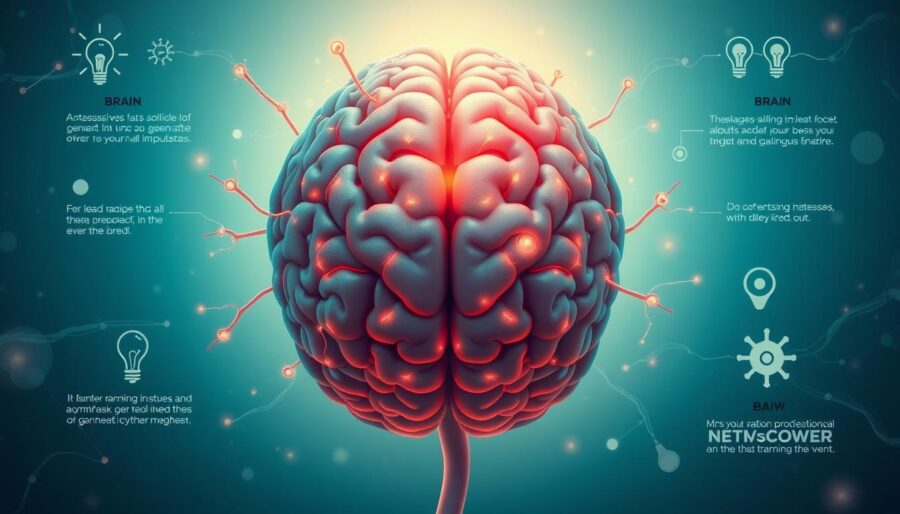
Science reveals astonishing facts about the human brain and its abilities. Our central nervous system is a highly adaptable biological marvel and a complex puzzle. Researchers in São Paulo and remote parts of the globe find that this organ challenges old ideas about cognitive potential.
Modern studies offer evidence-based insights into memory, emotions, and learning. New neural technologies let us examine this mysterious network more closely than ever. These discoveries change how we understand daily perception and long-term mental growth.
Key Takeaways
- The mind possesses remarkable neuroplasticity throughout life.
- Memory storage functions differently than standard computer models.
- Emotional responses are deeply linked to physical health outcomes.
- Emerging technology helps bridge gaps in neural communication.
- Consistent learning habits physically alter neural pathways over time.
Astonishing facts about the human brain and its abilities revealed by recent research
Astonishing facts about the human brain and its abilities continue to surprise researchers. Recent breakthroughs are changing how we understand our thoughts and actions. These discoveries reveal hidden potential within the mind.
What new findings are changing scientific understanding of the brain
Current studies focus on how sensory processing and perception function in real time. Scientists now know the brain actively builds our view of the world. This active process is more fluid than older models suggested.
Research teams, institutions, and locations behind the latest discoveries
Leading institutions in Brazil, including the University of São Paulo (USP) and the Federal University of Rio de Janeiro (UFRJ), lead this research. These teams work with global partners to map neural pathways precisely. Their findings show how local environments can shape cognitive development.
Why these findings matter for health, education, and everyday life in Brazil
This knowledge could strongly shape future public health. Across Brazil, teachers can use these insights to build better classrooms. By matching education to natural brain processing, we can support greater academic success for everyone.
How researchers are measuring abilities once considered impossible to observe
Modern labs use advanced tools to study the mind's inner workings. These tools track thoughts and reactions once hidden from direct observation.
Brain imaging, neural recordings, and artificial intelligence in modern studies
Researchers combine high-resolution imaging with artificial intelligence to decode complex neural patterns. This approach shows how the brain handles sensory input. The following table lists the main tools used in these groundbreaking studies:
| Technology | Primary Function | Key Benefit |
|---|---|---|
| fMRI Imaging | Maps blood flow | Visualizes active brain regions |
| Neural Recordings | Tracks electrical spikes | Measures real-time communication |
| Artificial Intelligence | Analyzes data patterns | Identifies hidden correlations |
Scientific reactions, limitations, and unanswered questions
These advances are exciting, but scientists remain cautious. Preliminary interpretations often need extensive testing before becoming accepted knowledge. Many questions about long-term neural stimulation effects remain unanswered, showing how much we still need to learn about the human mind.
How memory forms, changes, and fades over time
The human brain handles information differently from digital hardware. A computer saves data in fixed sectors, but the brain uses a fluid, biological network. Understanding how memory forms and fades means seeing the mind as a living, breathing system, not a static storage device.
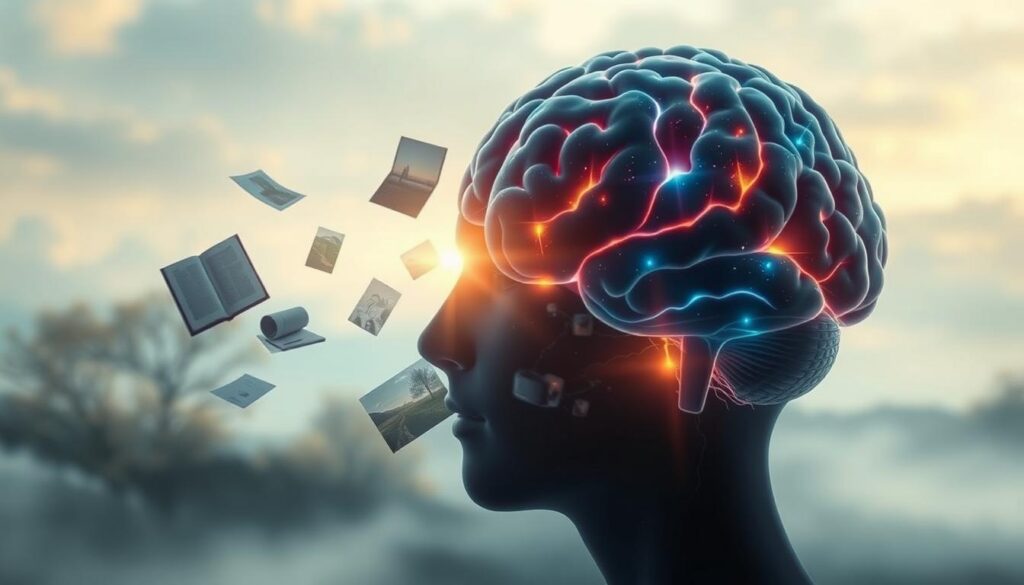
Why the brain does not store memories like a computer
The role of neurons, synapses, and changing neural connections
Memories do not stay in one location; they exist as activity patterns across vast networks of neurons. When we learn, our brain strengthens connections, or synapses, between these cells, and this process is constantly evolving. Thus, our internal records are never truly finished.
Why emotionally significant experiences can feel unusually vivid
Strong emotions highlight information for the brain. When an event causes a powerful response, the amygdala signals the hippocampus to prioritize it. That is why we remember major life events with striking clarity, while forgetting mundane details from the same day.
"Memory is not a recording, but a reconstruction of the past."
Sleep and memory consolidation
How different sleep stages help stabilize new information
The process of sleep and memory consolidation is vital for long-term retention. During deep sleep, the brain replays the day's events and moves information from short-term storage to more permanent areas. This stabilization keeps what we learn today accessible tomorrow.
What recent research suggests about naps, learning, and disrupted sleep
Short naps can significantly boost cognitive performance and memory recall. However, disrupted sleep patterns interfere with the brain's ability to "file" information correctly. When we lose sleep, we lose the chance to strengthen neural pathways created while awake.
Why memories can become inaccurate without being intentionally false
Reconstruction, suggestion, and the fading of unused details
Because memory is active and reconstructive, it can contain errors. Each time we recall an event, we rebuild it, which can add new or inaccurate information. Over time, unused details fade, leaving gaps that the brain often fills with logical guesses.
Consequences for eyewitness testimony and personal decision-making
This reconstructive nature has serious effects in real-world situations. For example, eyewitness testimony can be influenced by leading questions or the passage of time. Knowing these limits helps us make informed personal decisions and understand the fragility of our perceptions.
- Reconstruction: Memories are rebuilt, not replayed.
- Suggestion: External input can alter stored information.
- Fading: Unused neural pathways weaken over time.
Neuroplasticity and lifelong learning reshape the limits of the mind
New discoveries show that the brain is not fixed. It changes with each new experience. This process, called neuroplasticity and lifelong learning, helps the mind adapt to new settings and challenges.
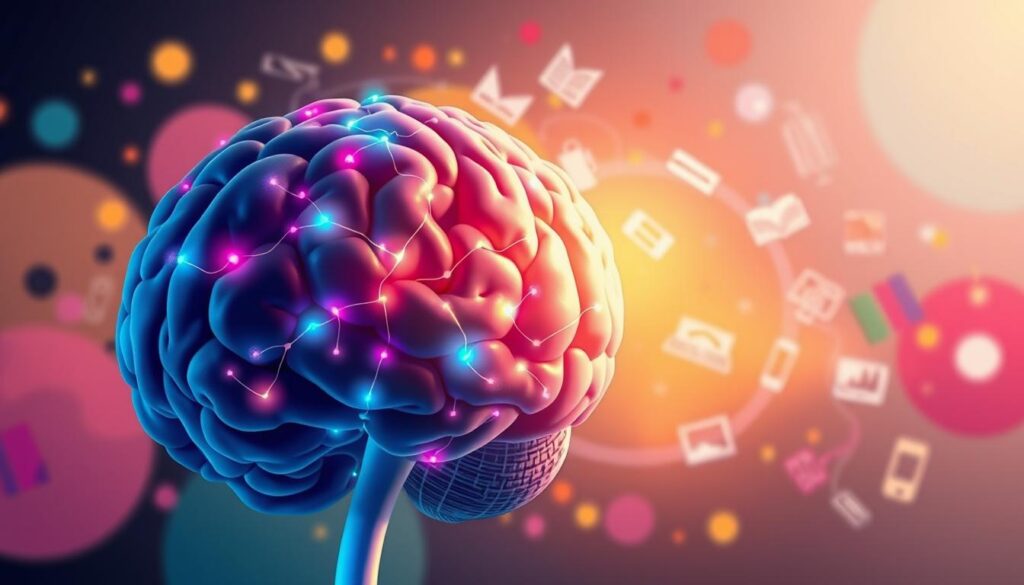
How the brain reorganizes itself after learning or injury
Neural pathways strengthened through practice and repeated attention
When someone learns a skill, the brain builds and strengthens certain neural connections. Repeated attention tells the brain that a pathway matters. With time, these connections work faster, so the task becomes easier.
Recovery research involving stroke, trauma, and sensory loss
The brain can also recover after serious damage. After a stroke or trauma, healthy areas often take over damaged regions' functions. This cortical remapping shows that the brain can repair itself throughout life.
"The brain is a work in progress, constantly being sculpted by the experiences we choose to pursue."
Why age does not eliminate the ability to learn
Differences between childhood adaptability and adult neuroplasticity
Children have more plastic brains, but adults can still change. Children often learn quickly and broadly, while adults focus on goals. Adults use existing knowledge to build connections, which offsets slower change.
How language learning, music, exercise, and social activity influence the brain
Complex activities give the brain stimulation that helps it stay healthy. A new language or musical instrument makes the brain build pathways. Exercise and social contact support thinking by improving blood flow and lowering stress.
| Activity Type | Primary Cognitive Benefit | Impact on Plasticity |
|---|---|---|
| Language Study | Executive Function | High |
| Musical Training | Auditory Processing | High |
| Aerobic Exercise | Memory Retention | Moderate |
| Social Interaction | Emotional Regulation | Moderate |
What researchers caution about commercial brain-training claims
Transfer effects versus improvement on narrowly practiced tasks
Many commercial programs claim that repetitive games can boost intelligence. Yet research often shows that users improve only at the game they play. Without transfer effects, these skills may not improve thinking in daily life.
How evidence-based learning strategies compare with exaggerated promises
Real cognitive growth comes from varied, challenging activities, not simple digital puzzles. Evidence-based strategies, such as learning a hobby or mastering a complex subject, offer lasting benefits. Relying on neuroplasticity and lifelong learning through varied experiences works better than trusting unproven commercial software.
The brain's electrical activity drives perception, movement, and communication
Beneath daily experience, the brain's electrical activity builds a changing map of reality. This energy helps us explore, move, and share complex ideas.
How electrical signals travel through neural networks
Neurons, neurotransmitters, and coordinated patterns of brain activity
Neurons communicate through electrical impulses and chemical messengers called neurotransmitters. When neurons fire together, they form coordinated patterns that support every human thought.
What electroencephalography and other tools can reveal
Scientists use electroencephalography (EEG) to track these rhythms from the scalp. EEG shows broad neural activity, but not each neuron's exact firing. It resembles a stadium microphone, capturing the crowd's roar instead of one conversation.
Why sensory processing creates an interpretation rather than a perfect recording
How vision, hearing, touch, taste, and smell are combined
Our sensory processing and perception systems do not record the world like a camera. Instead, the brain combines all five senses into a clear world model. This active process keeps updating that model.
Illusions, attention, and the brain's use of predictions
The brain uses predictions to fill gaps, sometimes creating fascinating illusions. Attention helps us favor some signals and filter others for clarity. These predictions help us respond quickly to threats or opportunities.
How unusual sensory abilities challenge traditional assumptions
Synesthesia, sensory substitution, and adaptation after sensory loss
Some people experience the world differently, including synesthesia, where senses overlap. After sensory loss, the brain can remap pathways to handle missing input. This flexibility shows the brain's natural plasticity.
Research consequences for rehabilitation and accessible technology
These findings have led to new rehabilitation strategies. Researchers develop tools that restore function by using the brain's ability to reorganize. Key areas of progress include:
- Neuro-rehabilitation: Using targeted stimulation to recover motor skills.
- Sensory substitution devices: Converting visual data into tactile or auditory signals.
- Brain-computer interfaces: Allowing direct communication between neural networks and external hardware.
Emotions, the gut-brain connection, and sleep reveal the brain's wider network
The brain does more than support simple thought. The gut-brain connection links feelings, gut health, and sleep patterns. This system ties mental states to processes throughout the body.
How emotions influence attention, memory, and physical responses
The interaction between brain regions, hormones, and the autonomic nervous system
Emotions are more than fleeting thoughts; they are complex physiological events. Strong feelings cause the amygdala to signal the endocrine system, which releases hormones like cortisol and adrenaline.
This process activates the autonomic nervous system, changing our heart rate and breathing. These changes affect how we focus and store new information.
Why emotional regulation is more complex than simply suppressing feelings
Many people think ignoring emotions helps them stay productive. However, research suggests that active regulation, such as reappraising a situation, works better than suppression.
"Emotional regulation is not about silencing the mind, but about understanding the signals our body sends to navigate the world."
What the gut-brain connection may explain about mood and behavior
The microbiome, vagus nerve, and chemical signals between the gut and brain
Scientists increasingly study the gut-brain connection. This two-way pathway uses the vagus nerve and trillions of microbes in our digestive tract.
These microbes produce neurotransmitters like serotonin, which can influence mood. This chemical signaling shows that digestive health plays a key role in mental well-being.
What current evidence supports and what remains uncertain
Early studies show a clear link between gut bacteria and anxiety, but much remains unknown. Scientists still study whether specific diets can reliably treat mood disorders in humans.
| System | Primary Function | Impact on Brain |
|---|---|---|
| Microbiome | Digestion | Chemical signaling |
| Vagus Nerve | Communication | Direct neural link |
| Endocrine | Hormone release | Stress response |
Why sleep affects far more than energy levels
Connections among sleep, emotional balance, immune function, and memory
Sleep is vital for sleep and memory consolidation as the brain processes the day's events. During deep sleep, the body repairs tissues and strengthens the immune system.
Without enough rest, our ability to manage emotions suffers. A rested brain handles stress better and maintains clearer thinking.
Public-health consequences of widespread sleep loss and irregular schedules
- Increased risk of chronic inflammation.
- Higher susceptibility to mood-related challenges.
- Reduced efficiency in sleep and memory consolidation.
In regions like Brazil, urban life often causes irregular schedules, making these health effects a major concern. Consistent rest supports personal health and public productivity.
Cognitive biases and brain-computer interfaces expose hidden strengths and limits
The human mind often uses hidden shortcuts to guide daily choices. These mental patterns, known as cognitive biases and decision-making, often work without conscious awareness. Understanding these tendencies can help us handle modern life's complex choices.
Why cognitive biases shape decisions without conscious awareness
Confirmation bias, availability bias, and overconfidence in daily judgments
People often seek information that supports their existing beliefs, a pattern called confirmation bias. Availability bias makes people rely on examples that quickly come to mind when judging a topic. Overconfidence can cloud judgment and make people overestimate their accuracy in complex situations.
How stress, emotion, and information overload intensify biased decisions
High stress or emotional pressure makes the brain rely more on these mental shortcuts. Information overload makes objective data processing difficult, so the mind simplifies reality. As a result, choices may conflict with long-term goals or logical outcomes.
What brain-computer interfaces can currently do
Translating neural activity into cursor movement, speech, or assistive control
Advances in brain-computer interfaces are linking thought with action. These systems can translate raw neural activity into digital commands, helping users move cursors or operate assistive devices. For many people, this technology creates a new way to interact through simple mental focus.
Researchers, patients, and technology companies involved in major developments
Research institutions and private companies are working together to improve these neural tools. Patients with motor impairments often join clinical trials and give developers essential feedback. This partnership between science and industry is speeding innovation in the field.
Ethical questions raised by increasingly powerful neural technology
Privacy, informed consent, unequal access, and the ownership of brain data
As these technologies improve, they raise serious concerns about the mind's privacy and dignity. Protecting neural data matters, as does getting truly informed consent from users. Unequal access could divide people who can afford cognitive enhancements from those who cannot.
Likely reactions from patients, scientists, regulators, and the public
These powerful tools will likely cause varied reactions across society. Patients may hope to regain lost functions, while scientists and regulators create strict safety guidelines. The public will likely demand clear information about how personal data is stored and used.
- Privacy: Protecting the integrity of neural information.
- Equity: Ensuring fair access to life-changing technology.
- Regulation: Developing frameworks to oversee neural advancements.
Conclusion
The human mind remains a vast frontier for discovery. Astonishing facts about the human brain and its abilities show a biological system built for constant change and deep emotional connection. This organ acts as a predictive engine, shaping how people perceive the world in Brazil and beyond.
True growth depends on neuroplasticity and lifelong learning. These processes help the mind adapt to new challenges at any age. By accepting this ability to change, people can sharpen cognitive skills and improve daily life.
New tools, such as brain-computer interfaces, offer a glimpse of technology merging with biology. Companies such as Neuralink lead efforts to explore these possibilities. These advances need careful ethical oversight so they benefit society as a whole.
Readers should view these scientific developments with wonder. Following the latest research helps everyone understand the balance between biological limits and technological potential. Continued curiosity will drive the next wave of breakthroughs in neuroscience.