
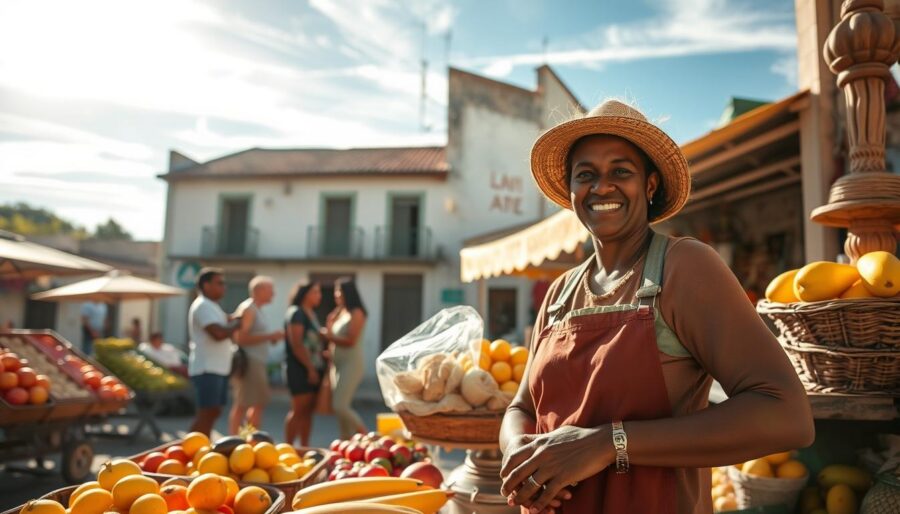
Brazil is a place where the usual can have a remarkable past. People often miss the small things that make daily life here special. These simple things with surprising stories give us a peek into Brazilian culture.
Things like coffee beans and street crafts have a big history. They show the country's evolving identity and social changes. By looking at these everyday items, we see what it's like to live in Brazil today.
Key Takeaways
- Everyday objects in Brazil often hold deep historical significance.
- Small details provide a better understanding of the national identity.
- Cultural heritage is embedded in the mundane items of daily life.
- Exploring these items reveals the social fabric of modern Brazil.
- A fresh perspective on Brazil comes from looking at the overlooked.
The Unexpected Global Journey of the Brazilian Flip-Flop
The rubber flip-flop is a symbol of Brazil. It started as a simple item but became a global fashion icon. This change shows how design and culture can make something special.
From Humble Rubber Origins to High Fashion
At first, these sandals were just for work. They were comfy, durable, and perfect for Brazil's weather. Then, Havaianas made them colorful and stylish.
This new look made them popular in high fashion. Designers put them on runways, showing that simplicity can be fancy. Now, you can find them in stores worldwide, showing how everyday wonders can become fashionable.
The Cultural Impact of Havaianas in Modern Brazil
In Brazil, these sandals mean more than just shoes. They stand for a carefree, equal way of life. People wear them everywhere, from beaches to cities.
Havaianas is a big part of Brazilian life. They offer quality and style at a good price. This keeps them close to the heart of Brazilian culture, even as the world changes.
Simple things with surprising stories found in local street markets
Exploring a Brazilian street market is like entering a living museum of local culture. These lively areas are the heart of commerce. Here, everyday wonders are waiting for those who take the time to look.
Each stall gives a unique peek into Brazil's diverse heritage. This heritage shapes the nation in many ways.
The Hidden History of the Acaraje Snack
The Acaraje snack is a highlight in these markets. It's a deep-fried ball of black-eyed pea dough. It's more than a snack; it holds centuries of history.
Vendors use palm oil to make it, showing ancestral techniques. This keeps the snack's history alive.
Women known as "baianas" serve the dish in traditional white lace. They keep the snack's cultural meaning alive. Eating an Acaraje connects us to the past.
Artisanal Crafts That Tell Regional Tales
Local markets also offer handmade goods that show regional identity. Artisans use natural materials like clay and wood. These everyday wonders tell stories of their home states.
Buying these items supports local craftsmanship. It helps keep Brazilian regions unique. Each piece reminds us of traditions that might disappear.
The table below shows the variety of goods found in these markets.
| Item Category | Primary Material | Cultural Origin |
|---|---|---|
| Acaraje | Black-eyed peas | Bahia |
| Ceramic Pottery | Local Clay | Northeast Brazil |
| Woven Baskets | Palm Straw | Amazon Region |
| Leather Goods | Cattle Hide | Southern Plains |
The Architectural Marvels of Ordinary Brazilian Cobblestones
The streets of Brazil tell a story through their intricate, hand-laid stone mosaics. These iconic black and white patterns are more than simple pavement. They are masterpieces of urban design that define cities like Rio de Janeiro and Manaus.
Many visitors walk over these surfaces without realizing the hidden tales embedded in the stones. Each curve and wave represents a connection to a distant past. They turn every sidewalk into a living museum.
The Portuguese Influence on Sidewalk Patterns
The tradition of "pedra portuguesa" started in Lisbon before coming to Brazil. Skilled artisans brought these techniques to Brazil, adapting them to reflect local geography and culture.
"The sidewalk is the stage where the city performs its daily dance, paved with the history of those who walked before us."
These patterns often mimic the movement of the ocean or the jagged peaks of local mountains. By examining these designs, one can uncover intriguing anecdotes about the colonial era and the evolution of public spaces.
| Pattern Name | Visual Style | Common Location |
|---|---|---|
| Mar Largo | Ocean Waves | Copacabana Beach |
| Quadrado | Geometric Grid | Historic Centers |
| Floral | Organic Shapes | Public Plazas |
Preservation Efforts in Historic Districts
Maintaining these delicate mosaics is a big challenge for urban planners. Heavy foot traffic and utility repairs often threaten the original stone layouts.
Local governments now focus on specialized restoration projects to keep these landmarks alive. By training new stone masons, cities are keeping this ancient craft alive in a modernizing world.
The Surprising Evolution of the Brazilian Hammock
The Brazilian hammock's story is one of ancient beginnings and modern uses. It's more than just furniture; it holds intriguing anecdotes of early survival and comfort. Over time, it has changed a lot.

Indigenous Roots and Colonial Adaptation
Before Europeans came, indigenous tribes in Brazil made hammocks from fibers. These hammocks were a crucial defense against wet ground and bugs. When Europeans arrived, they took to using them too, for survival in the hot climate.
This shows how a local idea became a must-have for explorers and settlers. It moved from a survival tool to a common household item. It shows the cleverness of the first makers.
Modern Trends in Sustainable Hammock Production
Now, the hammock world is moving towards being more eco-friendly. Artisans use organic cotton and recycled stuff to keep their products green. This shows that old crafts can still grow in today's world.
People want products that are comfy and made right. By buying from local weavers, they support culture and sustainable living. This shows the hammock's future is as promising as its past.
| Feature | Traditional Hammock | Modern Sustainable Hammock |
|---|---|---|
| Material | Raw Cotton/Bark Fiber | Organic Cotton/Recycled PET |
| Production | Hand-woven by Tribes | Fair-trade Artisanal Cooperatives |
| Primary Use | Survival and Protection | Home Decor and Relaxation |
| Environmental Impact | Low (Natural Sourcing) | Positive (Waste Reduction) |
Coffee Culture Beyond the Morning Cup
Exploring Brazilian coffee reveals unexpected revelations about its impact on communities. It's more than just a morning drink; it's a key part of the nation's economy and culture. It connects people from small farms to city streets.
The Economic Significance of Small-Scale Roasters
Small-scale roasters are crucial for Brazilian coffee's quality. They use sustainable farming to protect the land. They also ensure farmers get fair pay for their work.
These local businesses are innovation centers. They try new roasting methods to show off the unique flavors of different soils. Their focus on quality keeps Brazilian coffee's rich heritage alive.
How Local Traditions Shape Global Coffee Standards
Local producers set the standards for coffee worldwide. Their traditional drying and harvesting methods shape the beans' taste. Now, these methods are what make a coffee premium.
These traditions value patience and precision. Coffee lovers around the world appreciate this. It keeps Brazilian coffee at the forefront of global excellence.
The Secret Life of Brazilian Street Art
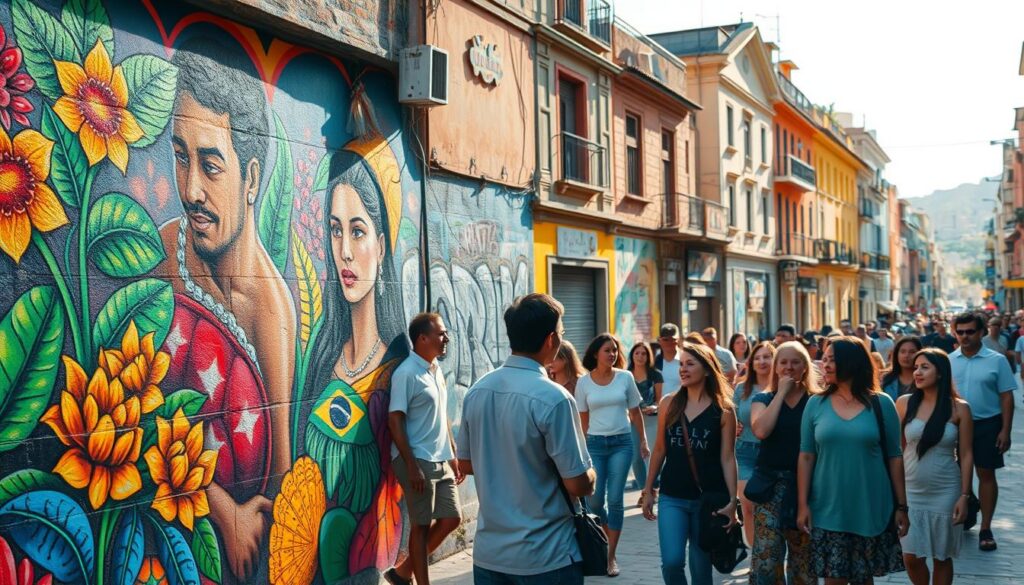
Brazil has a secret life painted on its city walls. What was once seen as simple graffiti has grown into a powerful way to express public thoughts. These urban walls now shape the look of big cities like São Paulo and Rio de Janeiro.
Murals as Narratives of Social Change
Street art in Brazil is a strong voice for politics and culture. Artists use these large works to show community struggles and wins. These fascinating narratives often challenge the current state and grab people's attention.
By turning blank walls into colorful displays, artists give a voice to those who are often ignored. Each mural is a visual story of Brazil's changing society. These works are not just for looks; they are key pieces of modern history.
Community Reactions to Urban Beautification
The link between urban beauty and public talk is complex and personal. People see these murals as ordinary objects with extraordinary histories that mirror their lives. While some see them as vandalism, many see them as symbols of neighborhood pride.
Local folks often help make these murals, making sure they fit their area. This teamwork builds a sense of belonging and keeps the murals safe from being erased. The table below shows how different art styles affect how people see them.
| Art Style | Primary Intent | Community Impact |
|---|---|---|
| Political Murals | Social Critique | High Engagement |
| Cultural Murals | Heritage Preservation | Strong Pride |
| Abstract Graffiti | Personal Expression | Mixed Reactions |
The secret life of Brazilian street art keeps changing how people see their cities. It shows that even the most ordinary wall can become a symbol of hope and thought. Art is a vital part of the Brazilian soul.
The Folklore Behind Everyday Brazilian Superstitions
Many Brazilians go about their day with ancient beliefs guiding them. These beliefs turn everyday moments into rituals for protection or luck. They are not just old tales; they connect people to their past, shaping their lives today.
Looking at these habits, we see how ordinary objects with extraordinary histories help manage life's unknowns. Avoiding certain paths or placing items in specific ways gives people comfort and control.
Common Beliefs and Their Historical Context
These superstitions come from a mix of Indigenous, African, and European traditions. Over time, these cultures blended, creating a spiritual world where the seen and unseen are close.
For example, sweeping a broom behind a door to make a guest leave shows how folklore is woven into daily life. Such curiosities of daily life remind us that history is in our homes, not just in books.
How Modern Brazilians Keep Traditions Alive
Even with technology, these traditions live on through stories and family habits. Grandparents share these customs with their grandkids, keeping the culture strong despite fast social changes.
Today, Brazilians see these superstitions as a vital link to their heritage, not just old myths. By keeping these traditions alive, they hold onto their identity and sense of continuity in today's world.
Conclusion
Brazil shows its true self in the small details of everyday life. Travelers and locals find deep meaning in these small things.
Noticing the curiosities of daily life turns a simple walk into a journey through history. Every Havaianas sandal or cup of coffee tells a story that links the past to now.
These everyday stories capture the heart of a nation. They show the strength and creativity of the Brazilian people.
Exploring these elements helps us understand local culture better. It makes us appreciate the traditions that still exist in cities today.
Next time you see something familiar, think about the story it might hold. There's often more to discover than meets the eye.
By sharing these stories, we keep our cultural heritage alive. What unique tales have you found in your neighborhood today?