
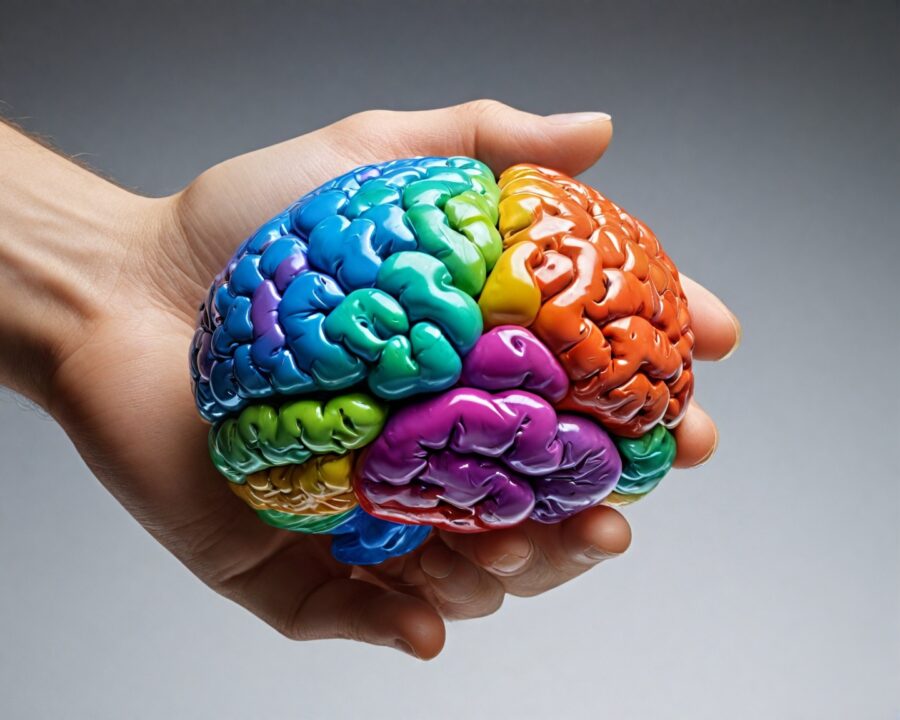
Introduction to Psychology and Its Importance
Psychology, often referred to as the science of behavior and mind, has profoundly transformed our understanding of human nature. Through rigorous research and insightful analyses, psychology has uncovered the underlying processes that govern thoughts, emotions, and behaviors. As a discipline, it draws from numerous scientific foundations to offer explanations for complex human phenomena, enhancing both individual and societal well-being. By understanding the basics of psychology, we gain valuable insights into what makes us tick and how we can navigate the human experience more effectively.
The importance of psychology cannot be overstated; it is pivotal in nearly every aspect of life, from educational reforms and workplace efficiency to better clinical practices in mental health. Its relevance extends beyond academia, enriching the lives of those who turn its theoretical principles into practical applications. By exploring the myriad insights psychology provides, individuals are better equipped to manage personal struggles, improve interpersonal relationships, and contribute positively to their communities.
Fascinating Facts About Human Behavior
The study of human behavior is endless in its intricacy and diversity. One fascinating aspect is that much of our behavior is governed by subconscious processes. Research underscores how often we operate on “autopilot,” relying on unconscious cues and learned behaviors. For instance, studies reveal that people make snap judgments about others in milliseconds, often based on facial expressions, without realizing it.
Another compelling fact relates to the concept of “cognitive dissonance,” which occurs when our beliefs and actions are misaligned. This psychological phenomenon explains why it is challenging to change deeply held beliefs even when provided with conflicting evidence. Humans tend to rationalize discrepancies to maintain a sense of internal consistency, exemplified by how one might downplay the risks of smoking despite knowing its dangers.
Furthermore, the “bystander effect” illustrates an intriguing social behavior pattern. This phenomenon occurs when individuals are less likely to offer help in an emergency when other people are present. It highlights the role of social influence and diffusion of responsibility, where each bystander thinks someone else will intervene, which paradoxically results in no one stepping forward.
The Science Behind Emotions and Decision-Making
Emotions play a critical role in decision-making, often functioning as the silent architects of our choices. Neuroscience has shown that emotions precede rational thought and significantly impinge upon our ability to reason. The limbic system, which is the emotional center of the brain, processes emotions before involving the prefrontal cortex that’s responsible for logical reasoning.
One key aspect of the interplay between emotions and decision-making is the “affect heuristic,” a mental shortcut that relies on current emotions to guide decisions. People often make judgments on the basis of the emotions that a particular option evokes, rather than a thorough analysis of facts. For example, fear can lead to risk aversion, while positive emotions may increase the likelihood of taking chances.
Moreover, psychological research illustrates phenomena like “emotional contagion,” where emotions can spread quickly from one person to another, influencing group dynamics and individual decision-making. In environments like workplaces or social gatherings, the mood of a single individual can propagate through others, swaying collective actions and decisions.
How the Brain Processes Information
The brain’s ability to process information is a testament to its complexity and efficiency. It operates like a sophisticated computer, continuously receiving, encoding, storing, and retrieving information. This process begins when sensory input is captured by receptors and sent to various brain regions for processing.
Cognitive neuroscience has advanced our understanding of how the brain processes information, revealing that different types of processing—such as visual, auditory, or tactile—are managed by specialized regions. The brain integrates these signals to form a coherent perception of the world. This integration allows for efficient processing and immediate responses, essential for functions like recognizing faces, interpreting language, or navigating the environment.
Additionally, the brain employs both parallel and serial processing techniques. Parallel processing allows for quick assessment of multiple pieces of information simultaneously, which is crucial for multitasking. Serial processing, on the other hand, handles tasks that require more sustained focus and deliberation. Both mechanisms are vital for maintaining cognitive function and adapting to new situations.
Common Psychological Myths Debunked
Psychology, as a field, is rife with myths and misconceptions that can mislead the public. A prevalent myth is that individuals only use 10% of their brains. Neuroscience refutes this claim, showing that all brain regions have a function, with cognitive processes involving widespread neural activity.
Another widespread misconception is the notion of “left-brained” versus “right-brained” individuals. This myth suggests that people are either logical and analytical (left-brained) or creative and intuitive (right-brained). While it’s true that certain brain regions have specialized functions, research indicates that both hemispheres are highly interconnected and work together to perform complex tasks.
The idea that handwriting analysis, or graphology, can predict personality traits is another debunked myth. Despite popular beliefs, scientific scrutiny has shown little evidence supporting the validity of graphology in assessing personality. It lackfs reliability and consistency in predicting psychological attributes.
| Myth | Description | Fact |
|---|---|---|
| 10% Brain Use | People only use a small part of their brain. | The brain is fully utilized but in different ways. |
| Left-Brained vs. Right-Brained | People are either analytical or creative based on brain hemisphere dominance. | Both hemispheres collaborate for most tasks. |
| Graphology | Handwriting can reveal personality traits. | No scientific backing supports this claim. |
The Role of Psychology in Everyday Life
Psychology plays a quintessential role in daily life, influencing how we interact with others, manage stress, and navigate challenges. From understanding the dynamics of social interactions to applying strategies for emotional regulation, psychological insights are valuable tools for improving quality of life.
In relationships, psychology helps unravel complexities such as communication differences, attachment styles, and conflict resolution. By understanding these elements, individuals can foster more harmonious relationships and bolster emotional connections. This insight is crucial not only in personal relationships but also in professional settings where teamwork and collaboration are essential.
Moreover, psychology equips individuals with strategies to enhance well-being, such as cognitive-behavioral techniques to combat negative thoughts or mindfulness practices to improve focus and reduce stress. These applications demonstrate how psychological knowledge is not only theoretical but also immensely practical, empowering individuals to make informed choices and enact positive change.
Practical Applications of Psychological Principles
Applying psychological principles can profoundly benefit both individuals and organizations. In educational settings, psychology informs teaching strategies, helping educators cater to diverse learning preferences and cognitive abilities. Techniques like reinforcement and active learning are derived from psychological theories to enhance student engagement and retention.
Within the workplace, psychology aids in optimizing performance and job satisfaction. Organizational psychology strategies, such as goal-setting, feedback systems, and reward structures, are employed to motivate employees and improve productivity. Understanding human behavior helps managers create cohesive teams and resolve conflicts constructively.
Psychological principles also extend to consumer behavior, wherein marketing professionals leverage insights into cognition and emotion to influence purchasing decisions. By comprehending factors like the power of social proof and the impact of scarcity, brands can craft marketing strategies that resonate with their target audience, ultimately increasing brand loyalty and sales.
How Psychology Helps in Personal Growth
Psychology is a pivotal tool for personal growth, offering insights into self-awareness, emotional intelligence, and resilience. Self-awareness involves understanding one’s emotions, strengths, weaknesses, and motivations, which psychology helps nurture through reflection and introspection practices. Awareness of these ties aids individuals in making conscious decisions aligned with their values and goals.
Emotional intelligence, which encompasses skills such as empathy, self-regulation, and social awareness, is another domain where psychology provides guidance. Cultivating emotional intelligence not only enhances interpersonal relationships but also boosts leadership abilities and career prospects.
Resilience, the capacity to bounce back from adversity, is a critical component of personal development. Psychological strategies such as cognitive reframing, stress management, and building a support network fortify resilience. By applying these methods, individuals can navigate challenges more effectively and pursue growth with greater confidence.
Frequently Asked Questions About Psychology
What is psychology?
Psychology is the scientific study of the mind and behavior, encompassing a wide range of topics including cognition, emotion, motivation, and social interactions. It explores how individuals think, feel, and act, often using empirical research methods to develop theories and applications.
How do psychologists conduct research?
Psychologists employ various research methods, including experiments, observations, surveys, and case studies. These methods allow them to collect data on human behavior and mental processes, which can then be analyzed to draw conclusions and inform theoretical models.
Can psychology help with mental health issues?
Yes, psychology is instrumental in addressing mental health issues. Through psychotherapy, counseling, and therapeutic interventions, professionals use psychological principles to help individuals manage and overcome anxiety, depression, phobias, and more.
Is psychology considered a science?
Yes, psychology is a science as it utilizes systematic methods of inquiry and empirical research to understand and explain human behavior. It relies on observation, experimentation, and analysis to construct evidence-based theories.
Why is psychology important in education?
Psychology is vital in education as it informs teaching practices and learner engagement strategies. It helps educators understand how students learn, what motivates them, and how to address diverse cognitive and emotional needs in the classroom.
Next Steps: Exploring Psychology Further
Delving deeper into psychology can be an intellectually enriching and personally transformative endeavor. For those interested in exploring this fascinating field, several avenues can provide further insights and knowledge expansion. Academic courses and online platforms offer comprehensive psychology programs that cover various areas, including clinical psychology, developmental psychology, and cognitive sciences.
Engaging with psychological literature, such as books and peer-reviewed journals, can provide a deeper understanding and keep you updated with the latest research findings. Attending workshops, seminars, and conferences is another excellent way to connect with experts and participate in discussions on emerging psychological trends and practices.
Finally, practical exposure through volunteering or internships in psychological settings offers real-world experience. These opportunities allow individuals to apply theoretical knowledge in practical contexts, gaining insights into how psychological principles are operationalized in social, educational, and clinical environments.
Recap
In summary, we’ve examined the profound significance of psychology and its application to various aspects of life. By delving into human behavior, emotional dynamics, and cognitive processes, psychology equips individuals with the tools to understand themselves and others better. We also debunked common myths, explored daily life applications, and discussed how psychological principles can enhance personal development. The pivotal role of psychology in education, workplace environments, and mental health illustrates its far-reaching impact.
Conclusion
In conclusion, psychology stands as a cornerstone of modern life, intertwining with various disciplines to enhance understanding of human behavior and mental processes. Its insights are crucial for navigating the complexities of human life, providing frameworks to tackle challenges and improve well-being. By applying psychological principles, individuals are better positioned to foster relationships, pursue professional growth, and achieve personal fulfillment.
The journey into psychology is both an exploration of the self and an appreciation for the intricate workings of the mind. Whether you’re seeking to improve personal habits or foster systemic change, psychology offers the roadmap to understanding and transformation. Embracing the principles of psychology can lead to a richer, more informed existence, wherein one is better equipped to adapt and thrive in a dynamic world.
As this article has outlined, psychology’s scope is vast, yet every insight contributes to a more profound comprehension of the human condition. Whether through further study or practical application, engaging with psychology can yield invaluable benefits for both individuals and communities.
References
- Myers, D. G., & DeWall, C. N. (2019). Psychology. Worth Publishers.
- Gleitman, H., Gross, J., & Reisberg, D. (2011). Psychology. W. W. Norton & Company.
- Baron, R. A. (2001). Psychology: The Essential Science. Allyn & Bacon.