
Introduction to Budgeting Apps and Their Importance
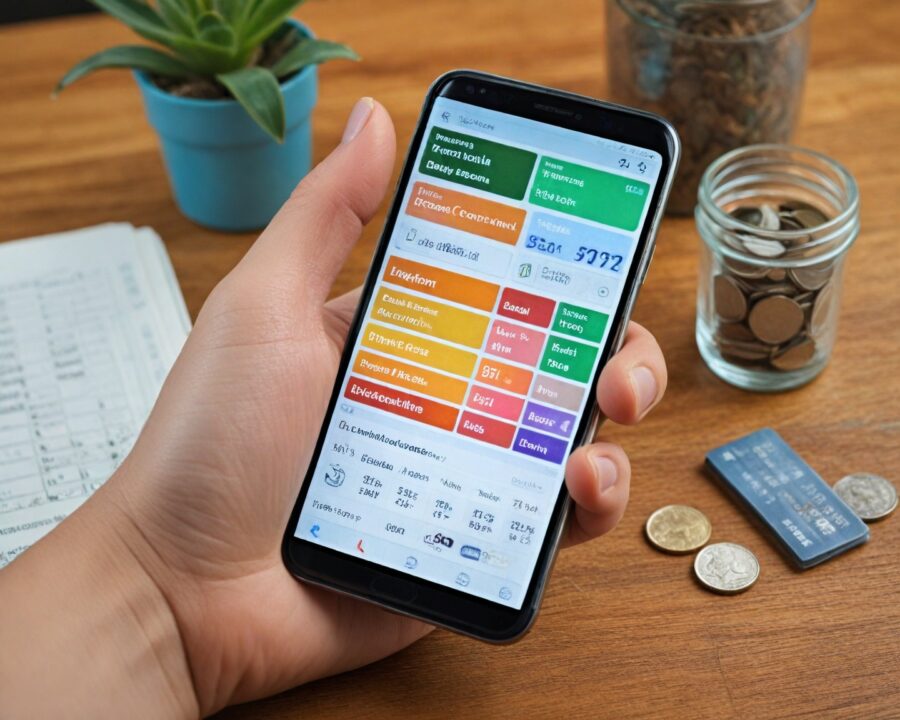
Navigating the complexities of personal finance can be a daunting task, especially in today’s fast-paced world. As more individuals strive for financial independence and stability, the need for effective financial management tools becomes increasingly apparent. Budgeting apps have emerged as an invaluable resource in this regard, transforming how people interact with their finances. These apps offer a user-friendly interface that makes tracking expenses, setting savings goals, and analyzing spending habits both simple and accessible to anyone with a smartphone.
The importance of budgeting apps cannot be overstated. They provide a structured approach to managing personal finance, often allowing users to gain insights they may have otherwise overlooked. By visualizing expenditures, income, and savings in one place, users can make informed decisions about their financial health. Moreover, budgeting apps foster financial discipline, which is crucial for achieving long-term financial goals such as buying a home, saving for retirement, or simply increasing one’s financial literacy.
Key Features to Look for in a Budgeting App
Choosing the right budgeting app is crucial to effectively managing your finances, and understanding the key features can help you make an informed decision. First and foremost, a budgeting app should offer real-time expense tracking. This feature allows users to input expenditures at the moment and see the immediate impact on their overall budget, providing instant feedback and encouraging financial mindfulness.
Another important feature is automated transaction categorization. A good budgeting app should automatically categorize your expenses into different areas such as groceries, bills, entertainment, etc., using algorithms to recognize types of expenses. This feature not only saves time but also ensures accuracy in tracking spending patterns over time, which is critical for creating a realistic and sustainable budget.
Finally, integration with bank accounts and financial institutions is a must-have feature. Seamless synchronization with financial accounts enables accurate financial data collection, allowing users to have a comprehensive view of their finances. Additionally, features like goal setting and alerts for overspending can empower users to stay on track with their financial objectives. A good budgeting app should also provide insights or reports to review spending habits and adjust budgets accordingly.
Top Budgeting Apps for Beginners
For beginners just starting to navigate the world of personal finance apps, simplicity and ease of use are key. One of the best options is Mint, which stands out for its intuitive design and comprehensive features. Mint automatically pulls in all of your bank and credit card transactions, categorizes them, and helps you set up budgets and goals, making it an excellent starting point for those new to budgeting.
Another great app for beginners is EveryDollar. Developed by financial guru Dave Ramsey, EveryDollar is known for its straightforward and user-friendly approach. It uses a zero-based budgeting method, which can be particularly beneficial for new users aiming to allocate every dollar of income towards expenses, savings, or debt repayment. The app provides simplicity without sacrificing essential features like expense tracking and financial goal setting.
YNAB (You Need A Budget) is also a good choice for those who want to dive deeper into personal finance without getting overwhelmed. YNAB offers a hands-on approach to budgeting, helping users prioritize expenses and adjust their budgets dynamically. Its educational resources and supportive online community are especially beneficial for beginners looking to improve their financial literacy.
Best Apps for Advanced Financial Planning
When it comes to advanced financial planning, having access to robust features and detailed analytics is paramount. One of the leading personal finance apps for advanced users is Personal Capital. This app goes beyond basic budgeting by offering wealth management tools, investment tracking, and retirement planning advice. Its dashboard provides a comprehensive view of net worth, cash flow, and portfolio performances, making it ideal for users looking to manage not just spending but also savings and investments.
Quicken is another powerful app favored by advanced users. Known for its extensive features, Quicken offers advanced capabilities like bill management, detailed reporting, and investment tracking. It blends budgeting with complete financial planning, making it easy for users to manage their finances with precision and confidence. Quicken also offers detailed analysis tools for tracking investments and net worth over time, crucial for long-term financial planning.
Tiller Money, though less conventional, is perfect for spreadsheet enthusiasts who want a customizable financial overview. It connects to your bank accounts and automatically imports financial transactions into Google Sheets or Excel, allowing users to build personalized spreadsheets for detailed financial planning. Tiller’s flexibility makes it an attractive choice for those who prefer a tailored approach to financial analysis and planning.
How to Choose the Right Budgeting App for Your Needs
Selecting the right budgeting app involves assessing your specific financial goals and personal preferences. Start by defining what you need from an app—whether it’s basic expense tracking, investment management, or advanced financial planning. Once you know your priorities, explore options that cater to these needs. If your primary goal is to track daily expenses, a user-friendly app like Mint might suffice, whereas those seeking extensive financial analysis might benefit more from apps like Personal Capital or Tiller Money.
Consider the compatibility and accessibility of the app. Ensure that it syncs efficiently with your financial accounts and devices. A budgeting app should fit seamlessly into your daily routine, allowing you to input data or review financial reports from your smartphone, tablet, or computer, as needed.
Additionally, consider the app’s security features, as managing personal finance requires sharing sensitive information. Ensure the app offers robust security measures, such as data encryption and strong password protection. Reading user reviews and looking for certifications or data privacy transparency can also provide reassurance about the safety of the app.
Common Concerns About Budgeting Apps and Their Solutions
One of the most common concerns about budgeting apps is privacy and security. Users often worry about the safety of their financial data, especially with apps that require connection to bank accounts. To mitigate these concerns, choosing an app that prioritizes security is crucial. Look for apps offering strong encryption, two-factor authentication, and regular security audits. Reading privacy policies thoroughly will also help you understand how your data is used and protected.
Another concern is the accuracy of the data and app synchronization. Users sometimes experience discrepancies between their actual and recorded transactions within the app. This issue can often be resolved by regularly refreshing the app to update transactions, double-checking categorized expenses for accuracy, or contacting support for troubleshooting if persistent issues arise.
Lastly, some users find it challenging to stick to using the app consistently. To address this, set reminders or schedule regular times to update your budget. Starting with a simplified version of the app’s function, like tracking only large expenditures at first, can help you incorporate it gradually into your routine without feeling overwhelmed. As you grow more comfortable, you can expand your usage to other features offered by the app.
Tips for Maximizing the Benefits of Budgeting Apps
Maximizing the benefits of personal finance apps involves more than just installation; it requires a strategic approach to incorporate the app into your financial routine effectively. Begin by setting clear financial goals within the app—whether it’s tracking daily expenses, saving for a specific purpose, or paying off debt. Having set goals helps you remain focused and fully utilize the app’s features to meet those objectives.
Make your budgeting app a part of your daily routine. Consistently recording transactions and reviewing your budget will provide a realistic view of your spending habits. Developing a habit of regularly checking the app will help you make mindful financial decisions and identify areas where you can cut back on unnecessary spending.
Take advantage of alerts and notifications offered by the app. These can be set for due bills, approaching spending limits, or achieving savings milestones. Such alerts keep you informed and motivated, helping you stay on track with your budgeting and financial goals. Additionally, utilizing any educational resources or community forums provided by the app can enhance your financial knowledge and support your journey towards financial proficiency.
Case Studies: Success Stories Using Budgeting Apps
Understanding the real-world impact of using budgeting apps can be incredibly motivating. Consider Jessica, a recent college graduate who struggled with managing her finances post-graduation. By using Mint, she gained a better understanding of her spending patterns, which enabled her to eliminate $200 of unnecessary monthly expenses. This newfound financial clarity allowed her to save towards a down payment on her first home within two years.
John, an aspiring entrepreneur, used YNAB to get a handle on fluctuating monthly income. By meticulously tracking his expenses and forecasting future spending, John built a six-month emergency fund that empowered him to confidently transition from his full-time job to focus entirely on his startup.
Lastly, there’s Maria and Carlos, a couple aiming to combine their finances after marriage. Using Personal Capital, they were able to create a shared budget and manage their investments strategically. Through this platform, they optimized their savings strategies and repaid student loan debt faster than anticipated, freeing up funds to start investing in their future.
Comparison of Free vs. Paid Budgeting Apps
Choosing between free and paid budgeting apps can often be a balancing act between functionality and cost. Free apps, like Mint, provide a solid set of basic features that include expense tracking, budget creation, and basic reports. They are ideal for users who need a tool to keep track of finances without any financial investment.
| Feature | Free Apps (e.g., Mint) |
|---|---|
| Cost | Free |
| Features | Basic (expense tracking, budget creation) |
| Ads | Yes (may contain ads) |
| Feature | Paid Apps (e.g., YNAB, Quicken) |
|---|---|
| Cost | Subscription fee required |
| Features | Advanced (detailed analytics, investment tracking) |
| Ads | No ads |
Paid apps, like YNAB and Quicken, offer more advanced features such as in-depth analytics, personalized support, investment tracking, and comprehensive financial planning tools. These are well-suited for users who require critical financial details and are willing to pay for a comprehensive service. The decision often depends on each user’s willingness to invest financially in their personal finance management and the complexity of their needs.
Next Steps: Setting Up and Optimizing Your Budgeting App
Once you’ve chosen a budgeting app, setting it up efficiently is the next critical step. Start by linking all pertinent bank and financial accounts to ensure comprehensive expense tracking. Take the time to meticulously categorize past transactions to provide a clear picture of current spending habits. This step is foundational for generating accurate budgets and setting realistic financial goals.
Customization is key to optimizing the app for your specific needs. Adjust default settings to suit your financial priorities, whether it’s receiving alerts for due bills, integrating reminders, or setting savings milestones. Make sure to customize budgets according to your income and expenses, tweaking categories to reflect your unique spending habits and all financial considerations.
Periodic reviews are essential for keeping your budget optimized. Schedule regular sessions to analyze spending patterns, update changes in income or expenses, and reassess financial goals. Being proactive about these reviews ensures that your budgeting tool remains an effective resource for managing personal finances and adapting to any life changes.
FAQ
How secure are budgeting apps in handling personal financial data?
Budgeting apps are generally secure when they use strong data encryption and secure cloud storage protocols. It’s advisable to choose apps that offer two-factor authentication and are transparent about how they handle user data. Checking for any reviews or certifications can also help ensure the app’s security measures.
Can budgeting apps really help save money?
Yes, by providing clear visibility into spending habits, budgeting apps help users identify areas of unnecessary expenditure and adjust accordingly. They assist in setting and achieving savings goals through effective budgeting strategies.
What should I do if the app’s categorization of transactions is incorrect?
Most apps allow users to manually adjust categories if they’re incorrect. It’s important to review the categorization regularly, especially early on, to train the app’s algorithms for more accurate automatic categorization in the future.
Do I have to pay for a budgeting app to get useful features?
Not necessarily. Free apps like Mint offer comprehensive features for basic budgeting and expense tracking. However, paid apps might provide more advanced functionalities like investment tracking and in-depth financial analysis, which can be useful for users with more complex needs.
Are there budgeting apps that work offline?
Most budgeting apps require an internet connection for syncing transactions and accessing real-time data. However, some, like YNAB, offer offline capabilities for entering transactions, which sync when an internet connection is available.
Recap
Budgeting apps are invaluable tools for managing personal finances effectively. They help users track expenses, set financial goals, and visualize spending patterns. When selecting an app, key features such as real-time tracking, transaction categorization, and bank synchronization are critical. There are suitable options for both beginners and advanced users, whether for basic budget management or comprehensive financial planning. Users must weigh the benefits of free versus paid apps and take necessary steps to maximize these tools to achieve their financial aspirations successfully.
Conclusion
Budgeting apps have revolutionized financial management by making it more accessible, accurate, and tailored to individual needs. They provide users with clear insights into their spending habits and motivate disciplined financial practices, leading to informed decision-making and financial stability. By choosing the right app, integrating it into everyday routines, and leveraging its full range of features, users can transform their financial outlook.
Through case studies and real-world success stories, we see the transformational potential of these apps. Whether it’s achieving tangible savings, paying down debt, or successfully merging finances with a partner, budgeting apps serve as a catalyst for financial improvement. Furthermore, with technological advancements in data security, today’s apps are designed to safeguard users’ information, ensuring financial management is secure and dependable.
As financial literacy continues to gain importance, the role of budgeting apps will likely expand, adapting to the evolving needs of consumers. Embracing these tools is more than just a temporary fix; it is a commitment to personal growth and financial security. By beginning this journey today, users can build a future of informed financial choices.
References
- Turbo Financial Advisor Review. (2023). Personal Finance Today. Retrieved from https://www.financetoday.com/articles/turbo-financial-advisor-review
- Budgeting App Showdown: Mint vs. YNAB. (2023). Money Management Weekly. Retrieved from https://www.moneymanagementweekly.com/articles/mint-vs-ynab
- The Security of Personal Finance Apps. (2023). Financial Safety Resource. Retrieved from https://www.financialsafetyresource.com/articles/security-finance-apps