
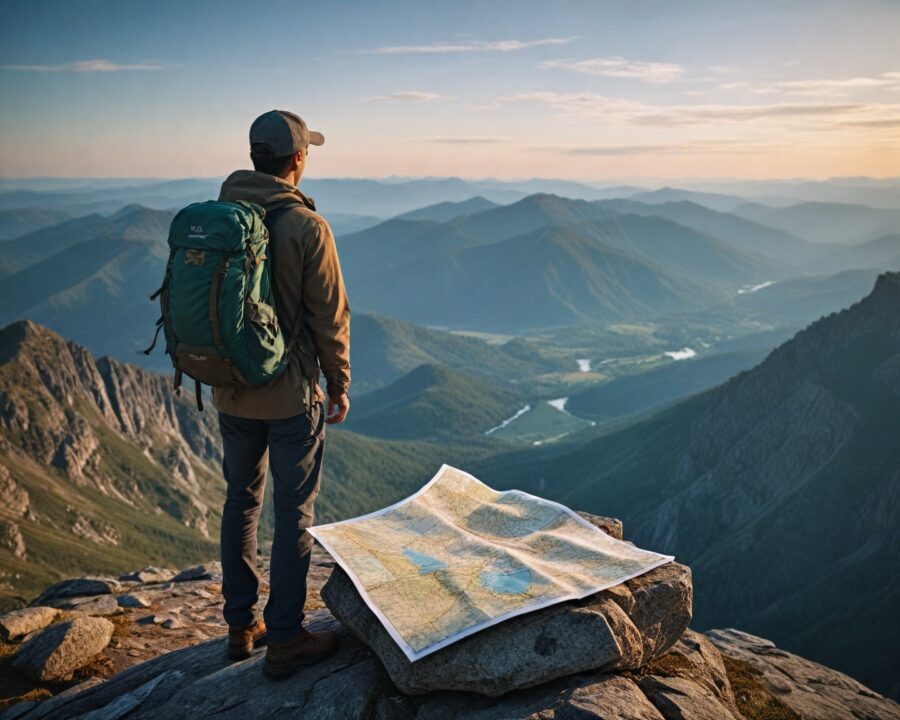
Adventure tourism has experienced a remarkable rise in popularity over the past few decades, drawing thrill-seekers and nature lovers alike. This unique form of travel focuses on exploring the great outdoors, challenging one’s physical limits, and immersing oneself in unfamiliar environments. Whether kayaking through intricate waterways, trekking up majestic mountains, or exploring dense rainforests, adventure tourism offers a chance to step out of the everyday and embrace the unknown.
With the increasing interest in adventure tourism, understanding its dynamics becomes crucial for both beginners and seasoned travelers. The appeal is multifaceted; it combines travel, physical activity, and cultural exchange into one exhilarating package. However, it also presents a set of challenges and considerations, including safety, environmental impact, and the specifics of planning an adventure-oriented trip. This guide delves into the intricacies of adventure travel, offering insights into top destinations, preparation tips, and more.
What is Adventure Tourism?
Adventure tourism is an activity-driven travel experience that involves explorations of unknown territories, physical exertion, and often emotional intensity. Distinctly focused on activities that push the boundaries of comfort zones, it demands not only physical skill but also adaptability and a spirit of adventure. Common activities in this realm include hiking, climbing, rafting, diving, and cycling in rugged environments and across diverse geographies.
Unlike traditional tourism, which often emphasizes relaxation and sightseeing, adventure tourism requires participants to engage directly with their surroundings, often challenging them both physically and mentally. It’s not just about seeing breathtaking landscapes; it’s about interacting with them in meaningful and sometimes adrenaline-pumping ways.
Furthermore, adventure tourism places a strong emphasis on direct interaction with nature and its pristine environments. This type of travel encourages conservation and sustainability, often prompting tourists to become advocates for the preservation of destinations they visit. In this sense, adventure tourism offers more than just personal thrills; it can foster a deeper connection with the planet and promote a greater awareness of global ecological issues.
The Rise in Popularity of Adventure Tourism
In recent years, adventure tourism has seen a significant increase in popularity, driven by several factors. A growing global awareness of health and well-being has spurred individuals to seek active vacations that not only provide exciting experiences but also contribute to a healthier lifestyle. Adventure travel inherently involves physical movement and exercise, appealing to those who prioritize fitness even while on holiday.
Additionally, social media has played a critical role in the burgeoning popularity of adventure tourism. Stunning visual content of adventurous expeditions shared on platforms like Instagram and YouTube inspire others to seek similar experiences, creating a ripple effect. The ability to document and share these unique experiences has brought a community of like-minded explorers together, fostering a sense of camaraderie among adventure enthusiasts.
Finally, as urbanization continues to rise, people are increasingly yearning for escapes that allow them to reconnect with nature. The pressure of urban life, combined with the desire to disconnect from technology and routine, drives many to seek revitalizing experiences in untouched landscapes. Adventure tourism, with its promise of off-the-beaten-path experiences, provides an ideal escape for those looking to temporarily trade their hectic schedules for something raw and invigorating.
Top Destinations for Adventure Tourism Around the World
Adventure tourism offers a world of possibilities, with destinations scattered across the globe each offering unique experiences. From the untamed wilderness of Patagonia to the diverse ecosystems of Southeast Asia, these locations are prime picks for those seeking adventure.
Asia
The Himalayas are perhaps Asia’s most iconic adventure destination, offering trekking routes such as the Annapurna Circuit and Everest Base Camp. Similarly, the jungles of Borneo offer thrilling opportunities for wildlife spotting and hiking through dense tropical rainforests teeming with biodiversity.
South America
In South America, Patagonia stands out with its rugged beauty, offering climbers and trekkers a paradise of glacial landscapes and soaring peaks. The Amazon rainforest, covering vast areas across several countries, is another bucket-list destination for its dense forests and incredible diversity of wildlife and plants.
Africa
Africa boasts adventures from the Sahara’s sweeping sands to the savannas of the Serengeti. Mount Kilimanjaro remains a favorite for serious trekkers, while the Nile offers iconic river cruises complemented by explorations of ancient Egyptian sites.
A simple overview table of top adventure destinations can be seen below:
| Region | Key Destinations | Activities |
|---|---|---|
| Asia | Himalayas, Borneo | Trekking, Wildlife Spotting |
| South America | Patagonia, Amazon Rainforest | Hiking, Wildlife Tours |
| Africa | Mount Kilimanjaro, Serengeti, Sahara | Climbing, Safari |
Essential Gear and Preparation for Adventure Travel
Venturing into the realm of adventure tourism requires meticulous preparation to ensure both safety and enjoyment. Selecting the right gear for your adventure can make a significant difference in your experience. Here are some key considerations:
-
Footwear: Quality, durable hiking boots or shoes are essential for any adventure activity. They provide necessary support and prevent injuries on uneven terrains.
-
Clothing: Layered clothing that is breathable and moisture-wicking ensures that you stay comfortable in varying weather conditions. Don’t forget weather-resistant outer layers for protection.
-
Equipment: Depending on the type of adventure, specialized equipment like helmets, harnesses, and life vests may be necessary. Research the necessary gear based on your activity to avoid renting or borrowing gear on-site.
Beyond gear, adventurers should focus on physical preparation and acclimatization. Training and conditioning are crucial, especially for demanding activities like trekking or climbing at high altitudes. Proper physical fitness helps in reducing the risk of injuries and enhances overall performance during the adventure.
Moreover, understanding the logistics of your trip—such as route maps, emergency contacts, and local norms—is vital. Robust planning also includes understanding the region’s climate, cultural nuances, and available resources, ensuring that you’re fully prepared no matter what challenges arise.
Safety Tips for Adventure Tourism
Safety is a critical component of adventure travel, ensuring that the thrills of exploration don’t turn into unforeseen risks. Prioritizing safety involves thorough research and adherence to guidelines specific to the activity and region.
Firstly, always check weather conditions prior to embarking on your adventure. Sudden weather changes can pose serious risks, especially in mountainous or remote areas where communication might be limited. Monitoring conditions helps in making informed decisions about whether to proceed, delay, or revise your plans.
Secondly, always ensure that you’re traveling with an experienced guide or group, especially in unfamiliar or challenging environments. Guides offer invaluable insights into local conditions, potential hazards, and cultural norms. Their expertise can prevent disastrous mistakes, ensuring a seamless experience.
Lastly, having the right insurance coverage is essential. Adventure travel insurance should cover medical emergencies, evacuations, and trip cancellations due to unforeseen circumstances, providing you with peace of mind during your travels.
The Environmental Impact of Adventure Tourism
Adventure tourism, while thrilling and enriching, must be navigated thoughtfully to minimize its ecological footprint. The growing influx of tourists to remote and pristine areas can disrupt local ecosystems and wildlife if not managed carefully.
One major concern is the degradation of natural habitats due to increased foot traffic and the infrastructure developed to support tourist activities. Paths become eroded, litter accumulates, and wildlife can be disturbed, sometimes irreversibly. It’s imperative for both tourists and tour operators to prioritize sustainable practices such as staying on designated paths, minimizing waste, and respecting wildlife.
Additionally, travel to these remote destinations often requires long-haul flights or fuel-consuming transport, contributing to greenhouse gas emissions. Travelers can mitigate their impact by choosing eco-friendly accommodations, patronizing local businesses, and supporting conservation projects in the areas they visit.
Educating oneself on the importance of lightweight travel, the ‘leave no trace’ principles, and supporting policies that advocate for environmental first tourism practices further contributes to reducing the impact of adventure tourism on the planet.
How to Choose the Right Adventure Tour Operator
Selecting the right adventure tour operator can significantly affect the quality and safety of your experience. To make the best choice, consider a few key factors:
-
Experience and Expertise: Look for operators with a robust track record and in-depth knowledge of the region and activities offered. Experienced guides not only ensure safety but provide valuable insight into the local culture and geology.
-
Safety Standards: Investigate the safety protocols and emergency preparedness of the operator. A reputable company will prioritize your safety, offering trained staff and well-maintained equipment.
-
Sustainability Practices: Choose operators that prioritize sustainable practices and are committed to minimizing their environmental impact. This includes ethical treatment of wildlife, waste management, and carbon offsetting practices.
Before booking, read reviews and testimonials from previous travelers. Engage directly with the operator to ask specific questions about their services and clarify any concerns, ensuring that you are choosing an operator aligned with your adventure goals.
Common Myths About Adventure Tourism Debunked
Adventure tourism is surrounded by various misconceptions that can deter potential travelers from embracing this exciting form of travel. Here, we debunk some of the most common myths:
Myth 1: Adventure Tourism is Only for the Thrill-Seekers
While adventure tourism does cater to thrill-seekers, it offers a spectrum of activities suitable for various interests and fitness levels. From serene kayaking trips to intense mountain climbing, there’s an adventure for everyone.
Myth 2: It’s Too Dangerous
With proper planning, guided tours, and adherence to safety protocols, adventure tourism can be as safe as traditional tourism. Reputable tour operators prioritize traveler safety, and taking precautions ensures a secure experience.
Myth 3: Adventure Trips are Costly
The misconception that adventure tourism is always expensive overlooks the affordable options available. Many destinations and activities are reasonably priced, especially when arranged directly with local operators or during off-peak seasons.
By understanding these myths, travelers can make informed decisions and possibly embark on adventures they might have otherwise overlooked.
Benefits of Adventure Tourism for Mental and Physical Health
Adventure tourism isn’t just exhilarating; it offers substantial benefits for both mental and physical health. Engaging in physical activities in natural settings enhances overall well-being, contributing to a healthier life.
Physically, the demanding nature of many adventure activities boosts cardiovascular health, improves endurance, and builds muscle strength. Whether you’re hiking mountain paths or paddling in rough waters, the physical benefits are profound.
Mentally, the exposure to nature and breaking from routine reduces stress, increases relaxation, and improves mood. The satisfaction of overcoming physical challenges boosts self-esteem, while the sensory stimulation of beautiful landscapes can foster creativity and positive mental health.
Furthermore, adventure tourism offers social benefits as it often involves group activities that strengthen interpersonal relationships and teamwork, adding to a sense of fulfillment and contentment.
Practical Steps to Plan Your Next Adventure Tourism Trip
Planning an adventure tourism trip requires attention to detail and thorough preparation. Follow these practical steps to ensure a successful adventure:
-
Research Destinations: Begin by identifying what type of adventure you’re interested in and researching potential destinations. Consider the region’s seasonality, cost, and accessibility.
-
Set a Budget: Adventure tourism can range in cost, so setting a clear budget helps to narrow down options. Account for all expenses, including travel, gear rental, accommodations, permits, and insurance.
-
Book in Advance: Popular destinations and activities often require early reservations. Securing your spot with operators or accommodations well in advance can save money and ensure availability during peak seasons.
-
Condition Your Body: Physical preparation is key to enjoying your adventure without strains or injuries. Incorporate relevant exercises into your routine leading up to the trip for optimal performance.
-
Pack Strategically: Pack essentials that are versatile across different climates and conditions. Invest in quality gear to avoid issues mid-trip, and always carry essentials like a first-aid kit and emergency contacts.
Attention to these planning steps ensures an adventure filled with amazing experiences and minimizes potential obstacles, allowing you to focus on the enjoyment of the journey.
FAQ
What is adventure tourism?
Adventure tourism involves travel to natural areas to engage in physical activities and outdoor experiences that challenge and exhilarate travelers, such as trekking, climbing, and river rafting.
Is adventure tourism safe?
While adventure tourism inherently involves some risk, it is generally safe when conducted with proper planning, guidance from experienced operators, adherence to safety guidelines, and appropriate physical preparation.
How can I minimize my environmental footprint while participating in adventure tourism?
Practice sustainability by following “leave no trace” principles, supporting eco-friendly operators and accommodations, minimizing waste, and choosing low-impact travel options.
What are some budget-friendly adventure tourism destinations?
Destinations like Southeast Asia’s mountains, Central America’s beaches and jungles, and Eastern Europe’s national parks offer affordable adventure options for budget-conscious travelers.
How does adventure tourism affect local communities?
Adventure tourism can provide economic benefits and job opportunities for local communities, but it’s important to ensure these benefits are equitable and that tourism practices respect local cultures and environments.
Recap
Adventure tourism provides a thrilling and enriching way to explore the world. With careful planning and an emphasis on safety and sustainability, travelers can enjoy an array of activities that enhance physical fitness, mental health, and environmental appreciation. From defining what adventure tourism entails to listing top destinations, preparation tips, and debunking myths, this guide emphasizes making adventure tourism a safe and fulfilling choice.
Conclusion
In conclusion, adventure tourism offers an unparalleled opportunity to embark on journeys that invigorate the body and soul. The rise in popularity is a testament to its transformative power, where travelers step beyond their confines to forge deeper connections with both nature and themselves.
However, this thrilling mode of travel isn’t without its responsibilities. Emphasizing sustainable practices and mindful exploration ensures that the natural landscapes remain as pristine for future generations of travelers as they are for those today. With the proper gear, mental readiness, and an eye on safety, adventurers are better prepared to embrace the unexpected turns their journeys might take.
Ultimately, the benefits of adventure travel ripple beyond the individual to impact societies and ecosystems at large. In exploring new terrains, embracing new cultures, and facing unknown challenges, travelers contribute not only to their personal growth but to a broader culture of global openness and environmental stewardship. Adventure tourism, when undertaken responsibly, is more than just travel; it is a journey toward a more sustainable and interconnected world.
References
- UNWTO (2021). “Global Report on Adventure Tourism.” UN World Tourism Organization.
- Buckley, R. (2010). “Adventure Tourism Management.” Butterworth-Heinemann.
- Beedie, P., & Hudson, S. (2003). “Emergence of Mountain-based Adventure Tourism.” Annals of Tourism Research.