
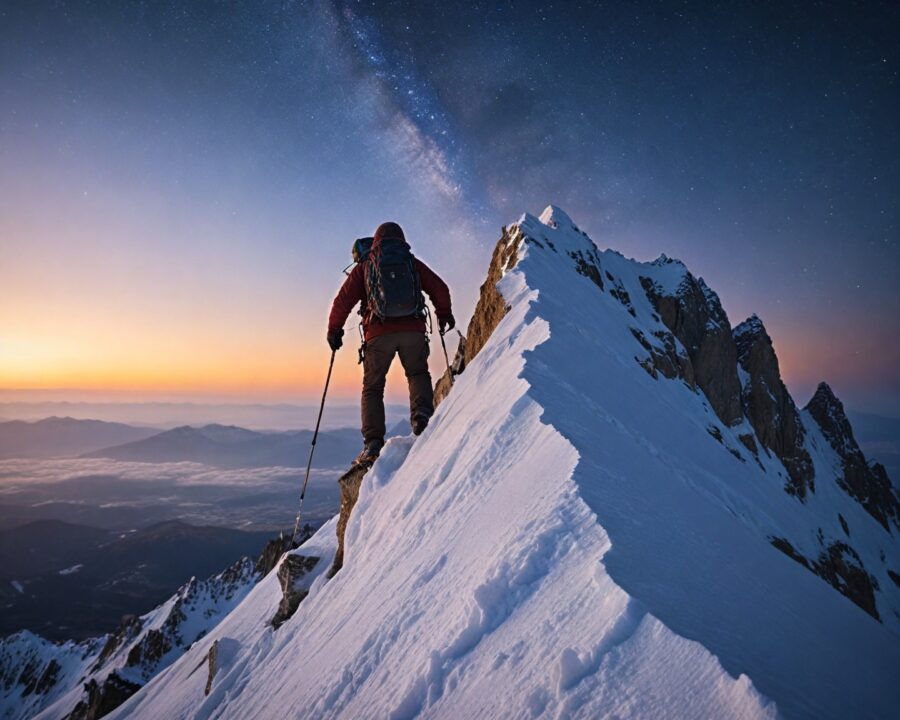
Extreme Lifestyles: Exploring the Limits of Human Endurance
In a world where comfort and security are often prioritized, there exist individuals who actively seek out the edges of life’s possibilities, testing the boundaries of what human beings can endure. These people, driven by an insatiable thirst for adventure and discovery, embark on extreme lifestyles that challenge the norms of society. These lifestyles, while deemed extreme by many, offer a unique lens through which we can gain insights into the human spirit’s capacity for endurance, resilience, and innovation.
Extreme lifestyles encompass more than just physical challenges; they reflect a commitment to living differently, often embracing environments and routines that are considered unconventional. This exploration of extreme living seeks to unravel the motivations behind such choices, examine the implications on mental and physical well-being, and consider the societal perceptions of those who take paths less traveled. Through this journey, we aim to uncover whether an extreme lifestyle might resonate with you and how one might embark on such a path with awareness and preparedness.
What Defines an Extreme Lifestyle?
At its core, an extreme lifestyle is characterized by a deliberate departure from conventional living, often involving engagement with high-risk activities, environments, or long-term commitments that test human limits. These lifestyles are not merely hobbies or pastimes but are deeply ingrained ways of living that demand a substantial investment in time, energy, and often financial resources.
Several features distinguish extreme lifestyles. They involve a high degree of physical exertion, such as mountaineering, ultra-marathons, or deep-sea diving. Others might focus on mental endurance, like perpetual travel or living in isolation in harsh climates. Extreme lifestyles require a steadfast commitment to pushing beyond everyday comfort zones and frequently involve elements of uncertainty and risk.
Extreme living is not limited to the physical domain; it can manifest in various forms, including extreme minimalism, living off-the-grid, or committing to a zero-waste lifestyle. What ties these varying forms together is a pursuit of existence that challenges the boundaries of human endurance, passion-driven pursuits that reject societal norms in favor of personal fulfillment and enlightenment.
The Psychology Behind Extreme Living
The motivations that drive individuals to pursue extreme lifestyles are complex and multifaceted. Psychologists suggest that these individuals often possess a higher tolerance for risk and ambiguity, paired with a strong need for achievement and personal growth. For many, extreme lifestyles offer a channel through which they can discover more about themselves and the world around them.
One psychological theory that explains this inclination is the sensation-seeking trait, where individuals exhibit a desire for new, varied, and intense experiences. This trait does not inherently promote pleasure-seeking behavior but rather a genuine curiosity and drive to push personal boundaries. For sensation seekers, extreme lifestyles provide a platform to experience life in a way that is far removed from the mundanity of daily routines.
Moreover, many individuals who pursue extreme living are often in search of identity and meaning. By undertaking these journeys, they find clarity and purpose within themselves, often using their experiences to redefine their goals and re-evaluate personal values. Extreme lifestyles can thus serve as transformative paths that lead to self-discovery and deeper personal satisfaction.
Popular Examples of Extreme Lifestyles Around the World
Across the globe, examples of extreme lifestyles abound, each offering a unique perspective on the limits of human capacity. From the treacherous climbs of Mount Everest to the isolation of Antarctic research stations, the pursuit of such experiences is both varied and widespread.
One well-known extreme lifestyle is that of high-altitude mountaineers. Individuals who tackle peaks like Everest or K2 spend years in preparation, honing their skills and acclimatizing their bodies to the rarefied air above 8,000 meters, where every breath is a battle. This lifestyle requires not only physical endurance but also mental fortitude to overcome fear and adversity.
Another popular extreme lifestyle is that of ultra-endurance athletes, who participate in events like the Ironman Triathlon or Marathon des Sables. These athletes push their bodies to incredible limits, spanning hundreds of kilometers across challenging terrains. Their commitment to training and diet is unwavering, often shaping their daily lives around their next monumental endeavor.
In stark contrast, the minimalist movement, although less physically demanding, is gaining traction globally as an extreme lifestyle. Individuals in this community aim to live with fewer possessions, often transitioning to tiny homes or nomadic life with minimal environmental impact. This lifestyle emphasizes simplicity, sustainability, and conscious consumption, challenging societal norms of material accumulation.
The Benefits and Challenges of Living an Extreme Lifestyle
While extreme lifestyles offer a range of exhilarating benefits, they are also accompanied by significant challenges. For many enthusiasts, the primary advantage is the sense of empowerment and achievement gained from overcoming formidable obstacles. Each successful endeavor bolsters confidence and reinforces a feeling of control over one’s life and destiny.
Engaging in extreme lifestyles frequently leads to physical fitness and enhanced mental resilience. The rigorous demands of such lifestyles necessitate peak physical condition, which can translate into better health outcomes long term. Mentally, facing—and overcoming—challenges builds resilience, teaching valuable lessons in perseverance and problem-solving.
However, the challenges of extreme living are considerable. Physically, the risk of injury or exhaustion is ever-present, requiring constant vigilance and precaution. Emotionally, the demands can strain relationships and lead to feelings of isolation, especially when personal goals overshadow social engagements.
Balancing these benefits and challenges is crucial for those pursuing extreme lifestyles. Individuals must cultivate self-awareness and set realistic boundaries to ensure their pursuits remain fulfilling rather than destructive.
How Extreme Lifestyles Impact Mental and Physical Health
Living at the edge of human endurance undeniably impacts both mental and physical health. The rigorous demands of extreme lifestyles often lead to elevated levels of physical fitness and mental acuity, a testament to the adaptive capabilities of the human organism.
Physically, the continuous engagement in high-intensity activities improves cardiovascular health, muscle strength, and body composition. Participants often exhibit lower resting heart rates and blood pressure, demonstrating superior physical conditioning relative to average populations.
Mentally, the effects can be both positive and negative. The constant focus required by extreme activities sharpens cognitive function, fostering enhanced problem-solving skills and emotional regulation. This mental discipline often extends beyond the activity, positively influencing other areas of life.
Conversely, the stress involved in maintaining an extreme lifestyle can adversely affect the mind. Persistent pressure and risk exposure may lead to anxiety, sleep disturbances, and burnout. Therefore, effective stress management and mental health care are crucial for sustaining an extreme lifestyle without compromising well-being.
Common Misconceptions About Extreme Lifestyles
Despite their growing popularity, extreme lifestyles are often shrouded in misconceptions. One prevalent myth is that extreme lifestyles are synonymous with recklessness. However, most individuals who pursue these paths are far from reckless, employing meticulous planning and discipline to mitigate risks and achieve their goals.
Another misconception is that extreme lifestyles are only accessible to the young and fit. In reality, age and initial fitness levels are not barriers; rather, it’s about adopting the right mindset and commitment to gradual progress. Many people transition into extreme lifestyles later in life, proving that determination and passion outweigh youthful agility.
Lastly, there is a belief that extreme lifestyles are solitary endeavors. While some activities require solitude, the community and camaraderie within extreme sports and alternative living movements are profound. These groups provide support, share resources, and celebrate collective achievements, challenging the notion that such lifestyles are inherently isolating.
Tips for Transitioning to an Extreme Lifestyle
For those captivated by the allure of an extreme lifestyle, transitioning requires careful planning and reflection. A thoughtful approach ensures that this significant life change is both sustainable and rewarding.
-
Research Thoroughly: Gain comprehensive knowledge about the lifestyle you’re considering. Understand the demands, risks, and preparatory steps necessary to succeed.
-
Set Clear Goals: Identify your motivations and establish clear objectives. This will help maintain focus and provide milestones to celebrate along the journey.
-
Start Small: Begin with manageable challenges and progressively increase intensity. This gradual approach reduces the risk of injury and builds confidence.
-
Find a Community: Connect with like-minded individuals who share your interests. Their experience and encouragement can be invaluable as you navigate this new lifestyle.
-
Assess Personal Resources: Consider the time, financial investment, and personal sacrifices involved. Ensure you are prepared to reallocate resources to support your new mode of living.
-
Prioritize Safety: Equip yourself with safety gear and knowledge to protect against common hazards. Never compromise your safety in pursuit of extreme thrills.
Safety Considerations for Extreme Living
Safety is paramount when embracing an extreme lifestyle. While the thrill of pushing limits is enticing, the potential repercussions of inadequate safety measures can be severe. Here are key considerations to ensure a safe extreme living experience:
-
Proper Training: Engage in formal training programs to learn essential skills and techniques. This is particularly vital in activities like rock climbing or scuba diving.
-
Equipment Maintenance: Regularly inspect and maintain equipment to ensure it’s in working order. Faulty gear can lead to dangerous situations, exacerbating risks.
-
Environmental Awareness: Understand the environment in which you’ll be operating. Weather conditions, terrain, and wildlife all present unique hazards that require mitigation strategies.
-
Emergency Planning: Develop a comprehensive emergency plan, including escape routes, communication strategies, and first-aid knowledge. Being prepared can make all the difference in a crisis.
-
Health Monitoring: Regularly assess your health and fitness levels. Push your limits safely to avoid overexertion or injury, and seek medical advice when necessary.
Inspirational Stories of Individuals Embracing Extreme Lifestyles
To illustrate the profound impact of extreme lifestyles, consider the stories of individuals who have embraced these challenges with transformative results. These narratives inspire perseverance, creativity, and a deepened understanding of human potential.
Take Akshay Nanavati, a Marine veteran who turned to ultra-running and mountaineering to cope with PTSD. Conquering icy peaks and grueling distances became a therapeutic endeavor, illustrating how extreme lifestyles can serve as powerful conduits for healing and resilience.
Then there’s Tamara Lunger, an esteemed Italian alpinist known for her incredible high-altitude expeditions. Despite facing life-threatening challenges and personal loss, Lunger continues to defy the odds, inspiring many with her unyielding spirit and dedication to mountaineering.
Similarly, the minimalist lifestyle of Joshua Becker has reshaped perspectives on materialism. Becker, who founded the Becoming Minimalist movement, has helped thousands find clarity and happiness through intentional living, proving that extreme simplicity can yield profound life satisfaction.
Is an Extreme Lifestyle Right for You? Practical Steps to Decide
Deciding to pursue an extreme lifestyle requires introspection and practical assessment. Here are steps to determine if this journey aligns with your values and aspirations:
-
Reflect on Motivations: Understand why you’re drawn to an extreme lifestyle. Is it for personal growth, adventure, or a deeper purpose? Clarity here is crucial.
-
Evaluate Health and Safety: Consider your current physical and mental health status. Are you prepared to undertake the rigorous demands these lifestyles entail?
-
Consider Life Circumstances: Assess how an extreme lifestyle will impact your relationships, career, and other facets of life. Balance is key to harmonious integration.
-
Explore Different Options: Not all extreme lifestyles are alike. Research various forms and perhaps try short-term experiences before committing to one that resonates with you.
-
Seek Professional Guidance: Consult with experts or mentors in the field. Their insights can provide valuable direction and help manage expectations.
FAQ Section
What are some common types of extreme lifestyles?
There are many forms of extreme lifestyles, ranging from physically demanding pursuits like mountaineering and ultra-running to alternative living approaches such as minimalism, van life, and off-the-grid communities. Each offers distinct challenges and requires a considerable investment of time and energy.
Are extreme lifestyles safe?
While extreme lifestyles inherently involve some risk, they can be pursued safely with proper planning, training, and adherence to safety protocols. Engaging in risk assessments and being well-prepared can significantly reduce potential dangers.
How do I choose which extreme lifestyle to pursue?
Consider your interests, experience level, and what you hope to gain from adopting an extreme lifestyle. Experiment with different activities to find one that resonates with you personally, providing the right balance of challenge and fulfillment.
Can extreme lifestyles be adopted later in life?
Absolutely. Many individuals embrace extreme lifestyles later in life, finding renewed vitality and purpose. It’s important to listen to your body, progress at your own pace, and seek inspiration from others who’ve successfully made the transition.
What role does community play in extreme lifestyles?
Community offers support, knowledge, and camaraderie, which is invaluable in extreme living. Engaging with others who share your passion can enhance your experience, provide practical insights, and foster a sense of belonging.
Recap
Extreme lifestyles redefine the boundaries of human endurance, offering unique opportunities for personal growth, achievement, and adventure. By understanding the psychology behind extreme living and familiarizing oneself with various forms globally, we gain insight into the benefits and challenges associated. While preconceived notions may deter some, debunking myths reveals that these lifestyles are accessible, inclusive communities. Through careful assessment and preparation, individuals can determine if such a journey aligns with their life goals.
Conclusion
Extreme lifestyles embody the intersection of personal challenge and exploration, offering a pathway to discover the extraordinary potentials within ourselves. While the risks are tangible, the rewards often culminate in profound personal satisfaction and transformative growth. By approaching these lifestyles with diligence, respect for safety, and a supportive community, individuals can push their boundaries responsibly and reap the many rewards that come with living on the edge.
Whether drawn by the call of adventure, the pursuit of mirthful simplicity, or the desire to surpass personal limits, extreme lifestyles beckon those seeking more from life. Taking the leap requires courage and commitment, but for those willing to embark on this journey, the possibility of unlocking a deeper understanding of self and the world awaits. Before you decide, weigh your motivations carefully and embrace the journey with an open heart and mind.
References
- Becker, J. (2021). “The Minimalist Home: A Room-by-Room Guide to a Decluttered, Refocused Life.”
- Nanavati, A. (2017). “Fearvana: The Revolutionary Science of How to Turn Fear into Health, Wealth, and Happiness.”
- Lunger, T. (2017). “My Life in Thin Air: A Personal Account of High Altitude Adventures.”