
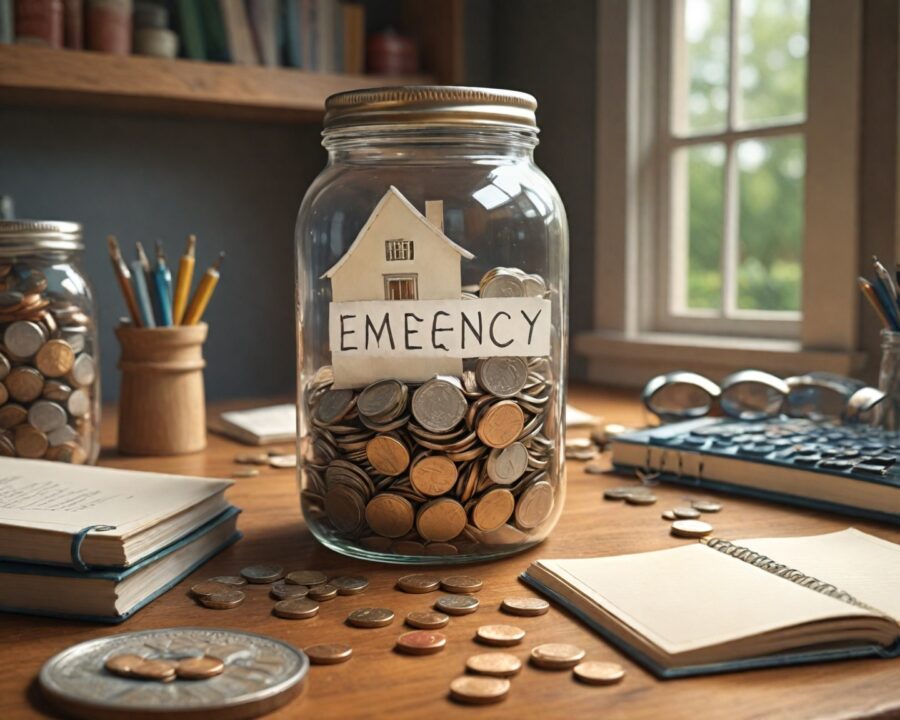
In a world full of uncertainties, having a financial safety net can significantly reduce stress and provide peace of mind. One way to build this safety net is by establishing an emergency fund. Understanding what an emergency fund is and how to calculate it can be a game-changer in managing your finances effectively. This article explores the concept of an emergency fund, its importance, and effective methods to calculate and maintain it.
A well-established emergency fund can protect you from unforeseen expenses and financial hardships. Whether it’s sudden medical bills, home repairs, or car troubles, being prepared can prevent these unexpected events from derailing your financial progress. Let’s dive deeper into what an emergency fund is and how you can create one that suits your personal financial situation.
What is an emergency fund?
An emergency fund is a reserve of money set aside specifically for unexpected expenses. Unlike other savings goals, this fund is not meant for planned expenditures like vacations or holiday shopping. Instead, it’s a financial cushion that provides security during life’s unpredictable moments.
The primary purpose of an emergency fund is to cover essential costs in situations where your regular income may not suffice. This could include expenses like medical emergencies, car repairs, or temporary unemployment. With an emergency fund, you’re able to manage financial crises without resorting to high-interest debt or loans.
Having an emergency fund is a fundamental aspect of financial planning. It not only offers a safety net but also contributes to overall financial wellbeing. By having this fund, you’re better prepared for life’s surprises, which can improve your confidence and reduce money-related anxiety.
Why is an emergency fund important?
The importance of an emergency fund cannot be overstated. An emergency fund acts as a financial buffer, allowing you to deal with unexpected situations without derailing your financial plans. Here are some reasons why it’s crucial:
-
Financial Security: An emergency fund ensures you have cash on hand, which can save you from having to liquidate investments or withdraw from retirement savings prematurely.
-
Stress Reduction: Knowing you have financial backing in case of emergencies can significantly reduce stress and help you focus on solving the problem rather than worrying about finances.
-
Debt Prevention: With an emergency fund, you can avoid accumulating debt due to unforeseen expenses, as you won’t need to rely on credit cards or loans as much.
Besides these, having an emergency fund can offer peace of mind, knowing you’re financially prepared for disruptions. This sense of security is invaluable and can positively impact your mental and emotional health.
How much should you save in an emergency fund?
The amount you should save in your emergency fund can vary depending on several factors such as income, monthly expenses, and financial responsibilities. However, a common guideline is to save three to six months’ worth of living expenses.
To determine your specific savings goal, consider the following steps:
-
Calculate Monthly Expenses: Sum up essential expenses such as rent or mortgage, utilities, groceries, and insurance.
-
Assess Income Stability: If your income fluctuates or is unstable, aim for a larger emergency fund, approximately six to nine months of expenses.
-
Evaluate Personal Risk Factors: Consider factors like job security, number of dependents, and health issues that could affect your need for an emergency fund.
While these are general guidelines, it’s important to tailor your emergency fund based on your unique situation and comfort level with financial risks.
Steps to calculate your emergency fund
Calculating your emergency fund requires a thorough understanding of your financial situation. Here are steps to guide you through the process:
-
List Essential Expenses: Identify and list essential monthly expenses. This includes housing, utilities, groceries, transportation, and insurance.
-
Multiply by Months Needed: Decide how many months of coverage you want based on your income stability and risk factors. Multiply your total essential monthly expenses by this number.
-
Consider Additional Buffers: Include a buffer for unexpected variables not typically accounted for, such as sudden increases in utilities or emergency travel.
| Expense Category | Estimated Monthly Cost |
|---|---|
| Housing (Mortgage/Rent) | $1,200 |
| Utilities | $200 |
| Groceries | $400 |
| Transportation | $150 |
| Insurance | $250 |
Using this table, you can total your monthly essential expenses and then multiply by your desired months of savings to find your target emergency fund amount.
Common mistakes when building an emergency fund
Building an emergency fund is crucial, but it’s easy to make mistakes along the way. Here are some common pitfalls and how to avoid them:
-
Not Prioritizing Savings: It’s easy to put off saving for an emergency fund when focusing on other financial goals. Prioritize adding to your fund regularly.
-
Setting Unrealistic Goals: Setting goals that are too ambitious can lead to frustration. Start small and gradually increase your savings target.
-
Dipping into the Fund: Avoid using your emergency fund for non-emergencies. Keep it strictly for legitimate unforeseen expenses.
By being aware of these mistakes, you can efficiently build your emergency fund and secure your financial future.
How to start saving for an emergency fund
Starting an emergency fund might seem daunting, but breaking it into manageable steps can help:
-
Set a Monthly Savings Goal: Begin by setting a realistic monthly goal, even if it’s small, to create the habit of saving.
-
Make it Automatic: Set up automatic transfers from your checking to savings account to ensure you consistently contribute to your emergency fund.
-
Cut Unnecessary Expenses: Evaluate your expenses to find areas to cut back and redirect that money to your emergency fund.
Every little bit counts when it comes to establishing an emergency fund. Starting small and remaining consistent is key to building a substantial reserve over time.
Best tools and apps for managing your emergency fund
Numerous tools and apps can help you expertly manage your emergency fund. Here are a few worth considering:
-
Mint: For overall budgeting and tracking expenses, Mint is a comprehensive tool that can help you track your savings progress.
-
YNAB (You Need A Budget): This app is excellent for proactively planning and adjusting your budget, ensuring that your emergency fund remains a priority.
-
Simple Bank: An online bank with features that automatically save for goals like your emergency fund.
These tools can make managing your emergency fund easier, ensuring that you’re consistently working towards your financial safety net.
How to maintain and grow your emergency fund
Once your emergency fund is in place, maintaining and growing it is the next challenge. Here’s how to manage it effectively:
-
Regularly Reevaluate Needs: As your life circumstances change, reassess your emergency fund to ensure it meets your current needs.
-
Replenish After Use: If you need to tap into your fund, make it a priority to replenish it as soon as possible.
-
Consider High-Yield Accounts: Place your emergency fund in a high-yield savings account to earn more interest over time.
Proper management of your emergency fund involves not only maintaining the balance but also growing it as your financial circumstances evolve.
Emergency fund vs. other savings goals
Distinguishing your emergency fund from other savings goals is crucial for financial success. An emergency fund is specifically for unexpected expenses, while other savings could be intended for planned expenditures like vacations or purchasing a new car.
Maintaining separate accounts or categories for each goal helps avoid the temptation to dip into the emergency fund for non-emergencies. It ensures that your financial safety net remains intact and available when you truly need it.
Frequently asked questions about emergency funds
How much should my emergency fund be?
A common recommendation is three to six months’ worth of essential living expenses, but this can vary based on your personal circumstances.
Can I use my emergency fund for planned expenses?
No, your emergency fund is strictly for unexpected and urgent expenses, not for planned costs.
What types of accounts are best for an emergency fund?
A high-yield savings account or a money market account is ideal for accessibility and modest interest accrual.
How can I grow my emergency fund quickly?
Automating savings, cutting unnecessary expenses, and using windfalls like tax returns to boost your fund can help it grow faster.
What should I do if I deplete my emergency fund?
Focus on rebuilding it as a priority, even if it requires reducing discretionary spending temporarily.
Is it okay to have more than six months’ worth of expenses saved?
Yes, especially if your income is unstable or you have higher financial risks, saving more than six months can be reassuring.
How can I prevent using my emergency fund improperly?
Establish clear criteria for what constitutes an emergency and maintain separate accounts for other savings goals.
Recap
Establishing an emergency fund is a crucial step in financial planning that provides a safety net for unexpected events. An emergency fund is typically three to six months of essential expenses set aside in a liquid, accessible account. Calculating your specific needs involves reviewing your monthly costs and evaluating personal risk factors. Common mistakes include not prioritizing savings and improper use of the fund. Start building your fund by setting small monthly goals, automating savings, and using financial management tools. While maintaining your fund, distinguish it from other savings goals to ensure you’re prepared for true emergencies.