
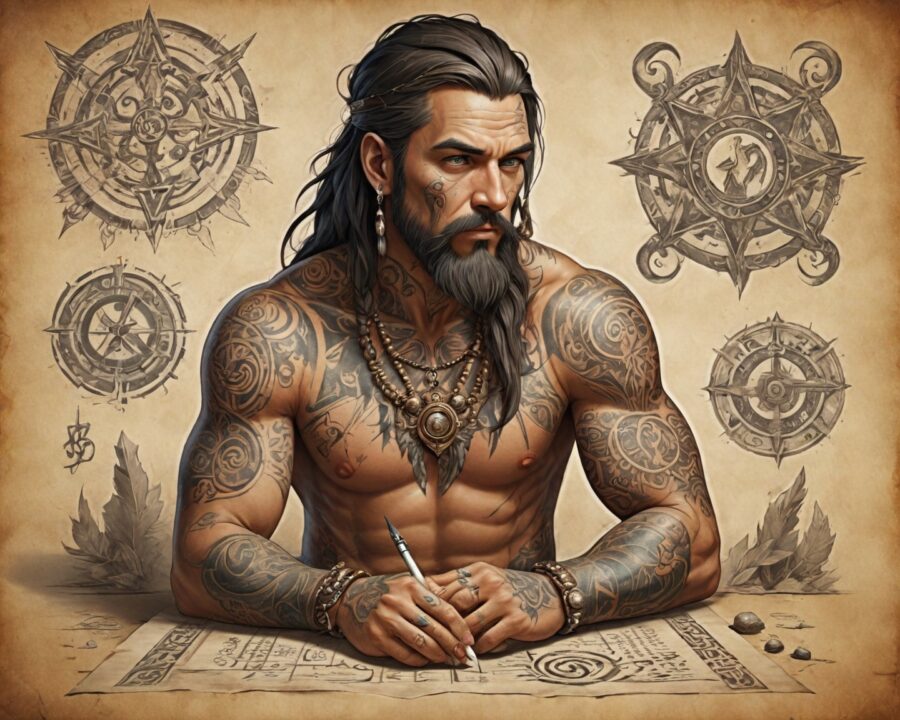
Introduction to Ancient Tattoos and Their Origins
Tattoos have been a part of human history for thousands of years, serving as a crucial form of personal expression and cultural identity. The art of tattooing can be traced back to ancient civilizations, such as the Egyptians, Chinese, and the peoples of the Pacific Islands. These ancient tattoos were not merely decorative but were imbued with deep cultural significance, marking important milestones, achievements, and even social status within a community.
From the intricate tattoos found on mummies to the bold, symbolic patterns still seen today, ancient tattoo symbolism has fascinated historians and art lovers alike. Each design carried specific meanings and reflected the values and beliefs of the culture it originated from. By studying these ancient symbols, we can uncover much about our ancestors’ lives, their worldviews, and how they communicated their stories through the ink on their skin.
The Role of Tattoos in Ancient Cultures
In ancient cultures, tattoos played various roles beyond merely aesthetic purposes. For many tribes, tattoos served as rites of passage, marking the transition from one life stage to another. These rites often included intricate ceremonies where individuals would receive tattoos symbolizing their new roles within their society.
Tattoos also functioned as symbols of protection and power. Warriors, for instance, often bore tattoos believed to provide strength or protection in battle. In Polynesia, the Marquesan warriors’ tattoos were seen as both an armor and a testament to their strength and courage. Furthermore, tattoos indicated an individual’s social or religious affiliation, serving as a badge of honor or identity.
In certain cultures, tattoos carried a gender-specific significance. For instance, in ancient Japan, women would receive tattoos as a mark of beauty or fertility. Similarly, tattooing in the Inuit culture often reflected a woman’s readiness for marriage or motherhood, signifying successful transition into adult roles.
Symbolism Behind Common Ancient Tattoo Designs
The symbolism behind ancient tattoos can be as varied as the cultures they originate from, each design carrying unique meaning. For example, the spiral is a common motif in Celtic tattoos symbolizing life, death, and rebirth. In contrast, the ankh, often found in ancient Egyptian tattoos, symbolized eternal life and was predominantly associated with royal and divine significance.
Animals were also popular subjects and bore their own meanings. In ancient Chinese culture, dragons symbolized power, strength, and good fortune. Meanwhile, in Native American tribes, the bear was revered as a sacred protector and represented courage and spiritual guidance.
| Symbol | Meaning |
|---|---|
| Spiral | Life, death, and rebirth |
| Ankh | Eternal life |
| Dragon | Power, strength, good fortune |
| Bear | Courage, protection, spirituality |
Understanding the meanings behind these symbols requires not just an examination of the design itself but also the cultural context in which it was used.
Regional Differences in Ancient Tattoo Meanings
Tattoo meanings varied greatly across different regions, each with its unique cultural backdrop and traditions. In Polynesian cultures, tattooing was not just a form of art but a sacred undertaking, with designs representing family lineage, status, and personal achievements. These intricate designs covered large parts of the body, each with specific meanings connected to the individual’s life experience and heritage.
In contrast, ancient Egyptian tattoos were often linked to religious and spiritual beliefs, with symbols like the Eye of Horus offering protection and prosperity. Additionally, many Egyptian tattoos were found on women, highlighting aspects of fertility and motherhood.
In the Arctic regions, Inuit tattoos often incorporated elements drawn from nature and mythology, acting as spiritual amulets or markers of achievement. The tattoos’ purposes often intertwined with the harsh environmental conditions and the community’s reliance on nature and spirituality for survival.
Spiritual and Religious Significance of Ancient Tattoos
Tattooing has long been entwined with religious and spiritual practices. Many ancient cultures believed that tattoos could serve as protective talismans, channeling divine powers or marking one’s devotion to a deity. In Hinduism, deities’ symbols were often etched onto the skin, offering protection and embodying spiritual ideals.
In other cultures, such as the Maori of New Zealand, tattoos (known as tā moko) were deeply spiritual, reflecting the wearer’s ancestry, history, and spiritual power. These tattoos were more than a design; they were sacred rites that connected the person with their spiritual world and heritage.
The religious significance extended to the afterlife beliefs too. Egyptian mummies have been discovered with tattoos believed to serve the deceased in the afterlife, providing them with protection and guidance as they journeyed through the spiritual realm.
How Ancient Tattoos Were Created: Tools and Techniques
Creating tattoos in ancient times was a labor-intensive process with rudimentary tools. Techniques and tools differed across cultures but shared common elements of pain and endurance, adding to the tattoos’ significance.
In ancient Egypt, tattoos were created using needles made from bone or ivory. The ink, derived from soot or other natural pigments, was embedded beneath the skin using sharp implements. Similarly, Polynesian tattooists used tools crafted from shark teeth or bone, attached to sticks, tapping them with a mallet to puncture the skin and embed the ink.
Other cultures relied on different methods, such as the ancient Japanese practice of tebori, which used wooden or metal tools to manually insert ink. The techniques were as much a part of the tattoo’s story as the design itself, often serving as a testament to the wearer’s strength and perseverance.
The Influence of Ancient Tattoos on Modern Designs
Contemporary tattooing owes much to ancient designs, drawing inspiration from their deep symbolism and intricate patterns. Many iconic ancient symbols have been reimagined in modern tattoo artistry, offering individuals a way to connect with their historical roots or convey timeless messages.
The resurgence of tribal tattoos in the late 20th century is a testament to the lasting legacy of their ancient counterparts. Modern interpretations often blend historical designs with contemporary aesthetics, keeping the tradition alive while adapting it to modern sensibilities.
Moreover, the global spread of tattooing motifs highlights the ongoing fascination with cultural exchange, allowing people to celebrate diversity through body art. This blending of ancient and modern elements reflects both a respect for tradition and an openness to evolution in tattoo art.
Common Misconceptions About Ancient Tattoo Meanings
Despite the wealth of information available, there remain misunderstandings about ancient tattoos and their meanings. One common misconception is that all ancient tattoos are tribal, ignoring the diversity of meanings and styles within different regions and cultures.
Another misconception is that tattoos were only used for decorative purposes. While aesthetic appeal played a role, the deeper cultural and spiritual meanings often dominated their use. The idea that ancient tattoos were painless or easy to acquire is yet another myth; in reality, the process was often painful and demanded endurance.
Lastly, people often mistakenly believe that all ancient tattoo meanings are lost to time. While some meanings remain elusive, dedicated research continues to unveil their historical significance, adding to our understanding of these ancient practices.
Preservation and Study of Ancient Tattoo Artifacts
The study and preservation of ancient tattoo artifacts are vital for understanding their cultural significance. Archaeological discoveries, such as mummified remains with tattoos, provide insight into the practice’s historical context and social importance.
For instance, the tattoos found on Ötzi the Iceman, dating back to around 3300 BC, offer clues about early medicinal practices, suggesting their potential therapeutic use. Such discoveries underscore the need for careful excavation and examination techniques to preserve these invaluable pieces of history.
Museums and research institutions play a crucial role in preserving these artifacts, ensuring that future generations can learn about and appreciate the rich legacy of ancient tattooing.
Practical Tips for Incorporating Ancient Tattoo Designs Today
If you’re considering incorporating ancient tattoo designs into your body art, here are some practical tips:
- Research Thoroughly: Learn about the design’s origins and meanings to select one that resonates with you personally.
- Consult a Knowledgeable Artist: Choose a reputable tattoo artist with experience in ancient designs to ensure authenticity and respect for the cultural heritage.
- Consider Cultural Sensitivity: Be mindful of cultural significance and potential appropriation when selecting a design, particularly when it pertains to indigenous cultures.
- Customize to Suit Personal Meaning: While honoring the original design, consider personalizing it to reflect your unique life experience.
FAQ
What were ancient tattoos primarily used for?
Ancient tattoos were used for a variety of purposes, including marking rites of passage, indicating social status, providing protection and power, and reflecting religious or spiritual beliefs.
How were ancient tattoos applied onto the skin?
Ancient tattoos were applied using rudimentary tools like bone or ivory needles, soot or natural pigments for ink, and methods such as tapping with a stick in Polynesian cultures or tattooing manually as in Japan’s tebori practice.
What are some common misconceptions about ancient tattoos?
Common misconceptions include beliefs that all ancient tattoos are tribal, served only decorative purposes, were painless, or lacked documented meanings, though ongoing research often sheds new light on these practices.
Do ancient tattoos have any influence on modern tattooing?
Yes, many contemporary tattoos draw inspiration from ancient symbols and designs, incorporating them into modern aesthetics and connecting individuals with historical or cultural roots.
How are ancient tattoo artifacts preserved today?
Ancient tattoo artifacts are preserved through careful archaeological excavation and examination, as well as being displayed in museums and studied by research institutions to ensure their historical significance is protected for future generations.
Recap
Ancient tattoos carried profound meanings that extended beyond mere decoration, serving important roles in various cultural and spiritual contexts. From the intricate symbolism of designs to the techniques used in their creation, tattoos tell us much about past civilizations. Despite regional differences, the influence of ancient tattoos pervades modern design, encouraging a thoughtful approach that respects historical traditions and cultural significances. Understanding ancient tattoo symbolism not only enriches our appreciation for body art but also aids in preserving the legacy of these deeply meaningful practices.