
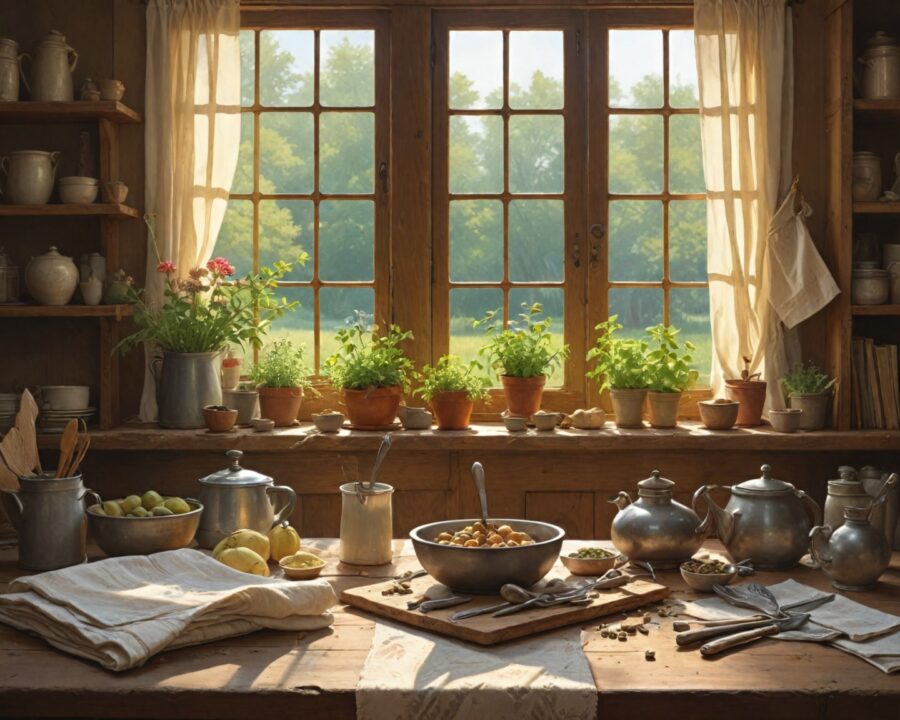
Introduction to Forgotten Sustainable Living Techniques
In today’s fast-paced world, the term “sustainability” has garnered increasing attention as people look to combat climate change and promote environmental health. However, in our quest for innovative solutions, many have overlooked the rich tapestry of ancient sustainable living practices that have been proven effective for generations. These methods, honed by centuries of trial and error, emphasize harmony between humans and nature and offer invaluable lessons for modern society.
The significance of rediscovering these forgotten techniques cannot be overstressed. As contemporary methods struggle to provide sustainable answers, traditional practices reveal a wealth of eco-friendly strategies that are practical and largely devoid of reliance on non-renewable resources. A deeper understanding and integration of these methods can enhance our efforts to lead more sustainable lives.
The Importance of Reviving Traditional Eco-Friendly Methods
Reviving ancient sustainable practices is not merely an exercise in nostalgia; it is a practical necessity. These techniques are a treasure trove of eco-friendly wisdom that have stood the test of time, largely because they were developed with a profound respect for nature’s balance. By looking back at how our ancestors lived in harmony with the planet, we can find authentic and time-tested solutions to today’s environmental challenges.
Furthermore, traditional practices can reduce our carbon footprint significantly. Employing time-honored techniques encourages the use of natural resources without depleting them, offering sustainable alternatives to industrial methods that often involve environmentally harmful processes.
Lastly, these methods hold the potential to bolster socioeconomic resilience. Communities, especially those in rural or underdeveloped areas, can leverage local resources and traditional knowledge to sustain themselves without expensive, modern technologies that may not be accessible or viable.
Examples of Ancient Sustainable Practices from Around the World
Traditional sustainable practices vary widely across cultures, each adapted to local environments and resources. In Asia, for example, the terraced rice fields of the Philippines utilize ancient knowledge to cultivate crops on mountainsides, preventing soil erosion and making efficient use of water.
In Africa, the practice of agroforestry, where farmers integrate trees with crops or livestock, has been employed for thousands of years. This method improves soil fertility, reduces erosion, and promotes biodiversity, underscoring the interconnectedness of ecosystems.
In the Americas, the invention of the “Three Sisters” method by Native Americans—growing maize, beans, and squash together—demonstrates an intricate understanding of how plant species can complement each other to improve yield and soil health. These examples illustrate the depth and diversity of traditional methods across the globe.
How These Techniques Align with Modern Sustainability Goals
Ancient sustainable living practices align closely with modern sustainability goals in several ways. They prioritize long-term environmental health by avoiding overexploitation, thus supporting initiatives aimed at reducing carbon emissions and conserving biodiversity.
These techniques also emphasize the efficient use of resources. Many traditional methods make use of local and renewable materials, reducing waste and pollution—a key focus of modern sustainability efforts.
Moreover, they foster community involvement and knowledge-sharing, vital aspects of contemporary sustainability. By empowering communities to use and adapt these practices, we can create more resilient societies that contribute to global sustainability targets.
Common Misconceptions About Traditional Green Methods
One common misconception is that traditional methods are outdated or less effective than modern technology. However, many of these practices have been refined over generations and have proven to be highly efficient in their specific contexts.
Another misconception is the belief that tradition-bound methods lack scalability. While it’s true that some techniques must be adapted for larger populations, the core principles often provide valuable insights for developing large-scale sustainable solutions.
Finally, the idea that these methods are irrelevant in urban settings is misleading. Urban environments can integrate traditional techniques, such as rooftop gardening or rainwater harvesting, to enhance sustainability without requiring extensive resources.
Practical Ways to Incorporate These Techniques into Daily Life
Integrating ancient sustainable techniques into our daily lives can start with simple steps. Consider practices like composting, which can transform food scraps into rich soil, reducing waste while enhancing garden productivity.
Adopting permaculture principles can also be impactful. By designing gardens that mimic natural ecosystems, one can create sustainable food sources that require minimal intervention.
Additionally, practices like manual labor over reliance on machinery can also contribute to energy conservation. By walking or cycling instead of driving for shorter distances, we not only incorporate physical activity into daily routines but also reduce carbon emissions.
Challenges in Adopting Forgotten Sustainable Practices Today
While the benefits of ancient sustainable practices are clear, several challenges stand in the way of their widespread adoption. One significant barrier is the erosion of traditional knowledge as younger generations migrate toward cities, leaving behind rural lifestyles and practices.
Social perceptions also pose a challenge. Modern society often equates technological advancement with progress, which can overshadow the value of traditional methods. There needs to be a cultural shift to recognize and respect the depth of ancestral wisdom.
Economic constraints can also impede adoption. Some traditional practices may require initial investments in terms of time or materials, which may not be feasible for all individuals or communities without financial support.
Success Stories of Communities Using Traditional Methods
Despite these challenges, numerous communities have successfully revived ancient practices to foster sustainable living. In India, the state of Sikkim has become a model for organic farming by reverting to traditional agricultural techniques, eliminating chemical fertilizers, and achieving impressive yields.
In Peru, the revival of ancient Incan water management systems has allowed for better irrigation, enhancing agricultural productivity in the Andes and providing a sustainable solution to water scarcity issues.
The Māori community in New Zealand has also successfully maintained traditional land management practices, which emphasize kaitiakitanga—or guardianship—of the land, fostering environmental protection and cultural preservation.
The Role of Education in Preserving Sustainable Living Techniques
Education plays a critical role in preserving and promoting traditional sustainable living practices. It is essential to integrate these techniques into school curricula, ensuring that younger generations appreciate the value of their cultural heritage alongside contemporary knowledge.
Community workshops and knowledge-sharing sessions can also be effective in reviving these practices. By creating platforms for exchange among elders, practitioners, and novices, we can keep this knowledge alive and adaptable.
Moreover, global awareness campaigns can highlight the importance and applicability of these methods on a larger scale. By showcasing success stories and tangible benefits, we can inspire wider adoption and respect for traditional wisdom.
Conclusion: Why Embracing Forgotten Methods is Crucial for the Future
In summary, rediscovering and integrating forgotten sustainable living practices is pivotal for building a resilient and eco-friendly future. These methods offer profound insights into sustainable resource management, align with modern environmental goals, and promote community-led initiatives for environmental protection.
In our rapidly changing world, leveraging the wisdom of the past alongside modern advancements can equip us with comprehensive tools to combat climate change and ensure environmental sustainability. Embracing traditional methods is not just a nostalgic journey; it’s a necessary step towards a more balanced and harmonious relationship with our planet.
FAQ
What are some benefits of traditional sustainable practices?
Traditional practices often use local, renewable resources and are developed in harmony with nature, leading to reduced environmental impact and increased sustainability.
How can traditional techniques be integrated into urban settings?
Urban environments can adopt practices like rooftop gardens, community composting, rainwater harvesting, and promoting local, seasonal diets inspired by traditional practices.
Are traditional sustainable techniques cost-effective?
Yes, many traditional techniques utilize natural resources and require minimal external inputs, making them cost-effective in the long term.
What role does technology play in preserving traditional methods?
Technology can document and share traditional knowledge globally, facilitating knowledge exchange and adaptation across regions and cultures.
Can traditional practices compete with modern farming techniques?
While some traditional methods may not be as immediately productive as intensive farming, they often provide long-term sustainability and resilience, which is crucial for future food security.
What challenges do communities face in preserving traditional techniques?
Challenges include the erosion of traditional knowledge, economic constraints, and societal perceptions favoring modernity over tradition.
How can families incorporate sustainable practices in their daily lives?
Families can start with small changes, like growing a vegetable garden, practicing composting, reducing waste, and minimizing energy consumption.
Why is education important for reviving traditional practices?
Education fosters appreciation and understanding of traditional methods, ensuring they’re passed down to future generations and adapted for current circumstances.
Recap
This article highlighted the value of forgotten sustainable living techniques, emphasizing their importance and alignment with modern goals. We explored traditional practices from various cultures, discussed challenges and misconceptions, and suggested practical ways for integration. Lastly, the article emphasized the critical role of education and shared success stories, pointing to the necessity of embracing these methods for a sustainable future.