
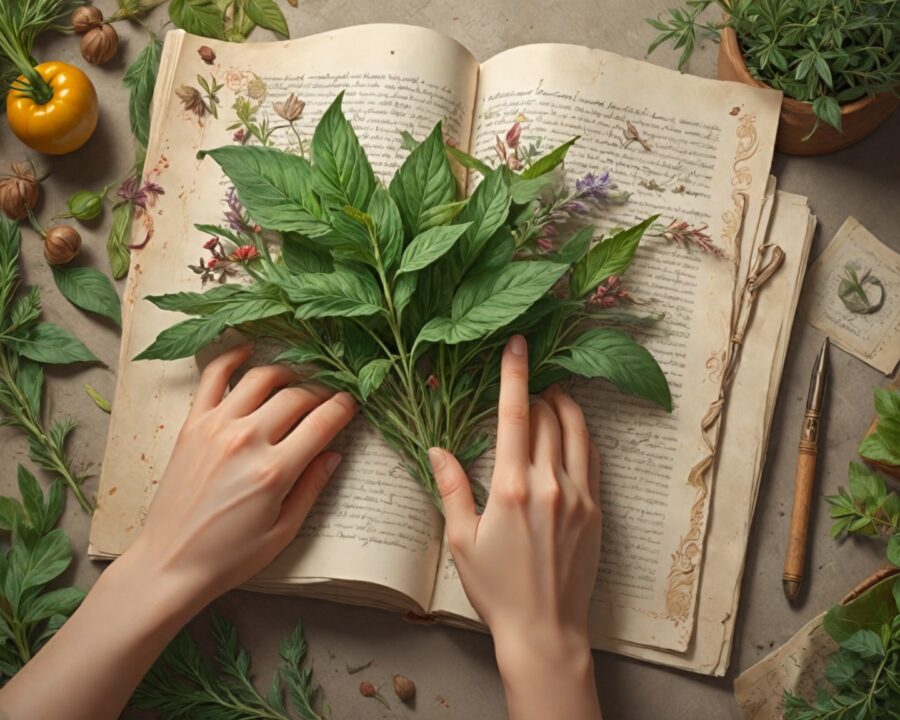
In our quest to understand the world around us, humans have long sought out the secrets held within nature. Among nature’s wonders, plants have always held a special place in human history for their potential to heal, nourish, and sustain communities. This knowledge, passed down through millennia, forms the bedrock of modern herbal practices. Ancient botanical knowledge encompasses centuries of empirical observation and systematic experimentation. It highlights humanity’s reliance on plants not just for sustenance but for spiritual and medicinal purposes as well.
Today, the legacy of ancient plant wisdom is deeply woven into contemporary herbal medicine. As modern science explores the properties and effectiveness of plant-based remedies, the connection between historical knowledge and modern applications has become even more apparent. By understanding how ancient botanical traditions have shaped modern practices, we can appreciate the enduring impact of this wisdom and the importance of preserving it for future generations.
Introduction to Ancient Botanical Knowledge
Ancient botanical knowledge refers to the understanding and use of plant species for medicinal, nutritional, and spiritual purposes developed by early human civilizations. This knowledge was cultivated through rigorous observation of flora in the natural environment and through trial and error, ultimately leading to an extensive catalog of plant uses.
Early civilizations, such as the Egyptians, Greeks, and Chinese, developed sophisticated practices for utilizing plant species according to their unique properties. These societies often revered plants as sacred gifts, attributing supernatural attributes to their healing properties and intertwining them with their cultural practices and rituals.
The knowledge amassed by our ancestors has withstood the test of time, providing a foundational influence on modern herbal practices. Contemporary herbal medicine continues to explore ancient texts and remedies, seeking to understand and validate their efficacy in today’s scientific landscape.
The Role of Plants in Ancient Civilizations
Plants played a crucial role in the daily lives of ancient civilizations. In ancient Egypt, the use of botanicals like aloe and chamomile was widespread for their healing and preservative powers. These civilizations documented their plant-based practices through hieroglyphics and artifacts, leaving a rich repository of botanical wisdom.
The Greeks adopted and expanded upon Egyptian knowledge by integrating it into their medical systems. Hippocrates, often regarded as the “Father of Medicine,” advocated the use of various herbs for healing. Similarly, in ancient China, plants such as ginseng and ginger were integral to Traditional Chinese Medicine, with documented use dating back several thousand years.
In Mesoamerica, the Aztecs and Mayans also had extensive botanical practices. They employed plants like cacao and agave not only as food sources but also in their religious ceremonies and healing rituals.
Key Ancient Texts and Records on Plant Use
The legacy of ancient botanical knowledge is preserved in a variety of texts and artifacts that provide insight into how early societies used plants. The “Ebers Papyrus,” dating back to around 1550 BC, is one of the oldest known medical texts. It contains over 700 formulas and applications for treating various ailments using plant-based remedies.
In ancient India, the “Ayurveda,” meaning “science of life,” is a comprehensive system that includes herbal medicine as a core component. The texts within Ayurveda outline the medicinal properties of numerous plants and their uses for promoting overall health and treating specific conditions.
The “Materia Medica,” compiled by the Greek physician Dioscorides in the first century AD, is another significant text. It served as the principal reference on medicinal plants for over 1,500 years in Europe and the Middle East. These documents, along with others, have served as foundations for the modern understanding of herbal medicine.
Traditional Herbal Remedies and Their Origins
Many traditional herbal remedies practiced today originate from ancient knowledge. Remedies such as the use of willow bark, which contains salicin, a precursor to modern-day aspirin, highlight the sophistication of ancient plant-based medicine.
Traditional herbal remedies often included:
-
Decoctions and Infusions: Plants were soaked or boiled to extract medicinal compounds, much like modern-day teas and tinctures.
-
Poultices and Pastes: Crushed plants were applied directly to the skin for wound healing or pain relief.
-
Inhalation and Fumigation: Burned herbs were used to purify air or treat respiratory conditions.
The diversity of these applications underscores the ingenuity of ancient civilizations in employing plants for their healing properties.
The Science Behind Ancient Plant-Based Medicine
Today’s science continues to investigate the mechanisms behind ancient plant-based remedies, often confirming the empirical observations made thousands of years ago. Researchers isolate active compounds within plants that account for their therapeutic effects. For example, compounds like curcumin from turmeric have been shown to possess anti-inflammatory properties.
The interdisciplinary field of ethnobotany works to bridge ancient practices with modern scientific validation. By studying the cultural significance and uses of plants, ethnobotanists uncover the rich tapestry of plant-human interactions and their implications for health and wellness.
Modern pharmacology often derives drugs from the active ingredients in plants used by ancient civilizations. This not only validates the efficacy of historical practices but also offers a roadmap for discovering new medicines.
Ethnobotany: Studying the Relationship Between People and Plants
Ethnobotany explores the dynamic relationships between cultures and their indigenous plants. This field highlights the diverse and nuanced roles plants play in different societies, from food and clothing to religious and medicinal uses.
Ethnobotanists conduct fieldwork to document how local communities use and manage their plant resources. These studies provide valuable insights into sustainable practices and the potential for new botanical applications.
Research in ethnobotany has also highlighted the importance of biodiversity and the need to protect traditional knowledge systems. By understanding how different cultures interact with their environment, we gain insight into preserving this invaluable knowledge for future generations.
Common Questions About Ancient Botanical Practices
What defines ancient plant wisdom?
Ancient plant wisdom encompasses the knowledge and use of plant species across early human civilizations for medicinal, nutritional, and spiritual purposes.
How were ancient plant remedies discovered?
Through observation, experimentation, and oral traditions, early cultures documented their findings, gradually establishing extensive catalogs of plant uses.
Did ancient societies have a scientific approach to plant use?
While not scientific in the modern sense, ancient societies practiced empirical observation and systematic experimentation to develop effective plant-based remedies.
Which civilizations contributed most to botanical knowledge?
The Egyptians, Greeks, Chinese, Indians, and Mesoamericans were among the key contributors, each leaving a rich legacy of documented plant uses.
Are there any ancient texts on plant-based medicine?
Yes, notable texts include the “Ebers Papyrus,” “Ayurveda,” and Dioscorides’ “Materia Medica,” among others, detailing various plant uses.
How accurate are ancient remedies by modern standards?
Many ancient remedies have been validated by modern research, confirming the efficacy of plants like willow bark, ginger, and turmeric.
What role does ethnobotany play today?
Ethnobotany helps bridge ancient practices with modern science by studying the cultural significance and uses of plants, promoting conservation and sustainable use.
How can we apply ancient knowledge today?
Ancient botanical wisdom influences modern herbal medicine, leading to integrative approaches that incorporate traditional and contemporary healing methods.
How Ancient Knowledge Influences Modern Herbal Medicine
The resurgence in interest surrounding natural and holistic health has been inspired largely by the enduring wisdom of ancient botanical practices. Modern herbal medicine frequently references ancient texts and traditions to inform its practices and formulations. The integration of traditional wisdom with modern scientific research has enhanced our understanding of plant compounds and their potential health benefits.
By recognizing the profound influence of ancient knowledge, we can better appreciate the role of plants in our health and consider more holistic approaches to healing that align with the wisdom of our ancestors.
Practical Applications of Ancient Botanical Wisdom Today
Ancient botanical wisdom finds practical application today in numerous ways. Individuals increasingly turn to herbal supplements for preventative health and to alleviate common ailments. Integrative medicine practitioners often incorporate botanical extracts into personalized treatment plans to harness their healing properties.
Moreover, ongoing research continues to explore the potential of ancient plants in the development of new pharmaceuticals. By examining traditional plants, scientists seek to discover novel compounds that could form the basis for future treatments.
Preserving and Reviving Ancient Botanical Traditions
Preservation of ancient botanical knowledge is essential for ensuring that future generations can benefit from this rich heritage. Efforts to document and protect traditional practices are underway in various cultures, recognizing their intrinsic value as part of the global cultural legacy.
Reviving these traditions involves engaging with indigenous communities, supporting sustainable practices, and encouraging the ethical application of traditional knowledge in modern contexts. The continued exploration and dissemination of ancient plant wisdom represent a bridge between the past and the future of natural medicine.
Recap
The influence of ancient plant wisdom on modern herbal medicine is a testament to the sophisticated and insightful understanding of plants by early human civilizations. Through key texts, remedies, and ethnobotanical research, we gain insight into how these practices have persisted and evolved. As we continue to explore and apply this knowledge, the future of herbal medicine looks promising, guided by ancient wisdom and bolstered by modern science. The preservation and revival of these traditions remain essential to enrich our understanding and application of plant-based healing in the contemporary world.