
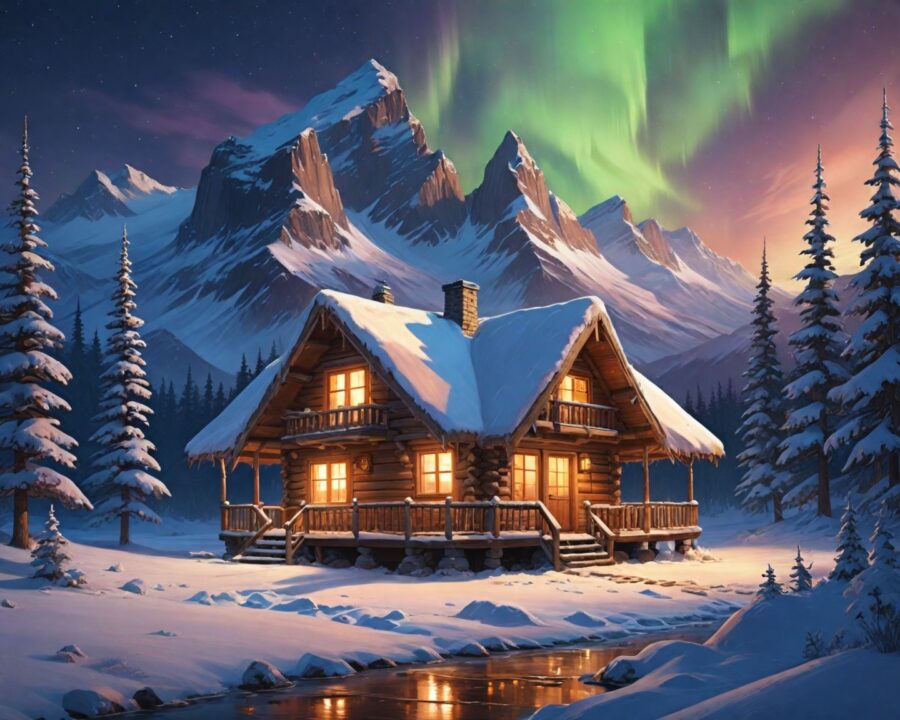
Introduction to Rare Snowy Destinations
As the winter season blankets parts of the world in pristine white, many wanderlust-driven travelers seek the quintessential snowy escapade. However, the usual ski resorts and snow-laden spots can sometimes feel a bit overrun. Enter the realm of rare snowy destinations—places that are enchanting, lesser-known, and offer a more intimate connection with winter’s wonders. These locations provide a unique take on the snowy experience, far removed from the bustling ski slopes.
Choosing to explore rare snowy destinations means uncovering hidden gems that offer tranquility, untouched vistas, and opportunities to immerse oneself in the natural beauty of snow-heavy landscapes. Whether it’s the cultural allure, the exquisite scenery, or the promise of unique activities, these destinations hold many surprises for the intrepid traveler seeking something different from conventional snowy retreats.
Why Visit Rare Snowy Destinations?
Travelers often seek these hidden gems because they offer a quieter, more intimate winter wonderland experience away from the crowded mainstream spots. These rare destinations frequently provide authentic cultural exchanges, where visitors can engage with friendly locals and delve into unique traditions often missed by the average vacationer.
Additionally, rare snowy destinations present a chance to witness awe-inspiring scenery that remains largely untouched by commercialization. Here, nature unfolds in its most raw and pure form, offering captivating sights of glacial peaks, frozen forests, and expansive snowfields that seem to stretch infinitely.
Furthermore, these destinations frequently boast unique flora and fauna adapted to the harsher climates, offering nature enthusiasts and wildlife photographers a chance to capture some extraordinary scenes and species.
Top 10 Rare Snowy Destinations Around the World
-
Svalbard, Norway: Known for its majestic Arctic wilderness, Svalbard is a haven for polar bears and offers the northern lights in the winter.
-
Lofoten Islands, Norway: These breathtaking islands provide dramatic snowy landscapes and vibrant fishing villages.
-
Aletsch Arena, Switzerland: Home to the largest glacier in the Alps, offering serene snowy retreats and hiking trails.
-
Kamchatka Peninsula, Russia: With vast volcanic landscapes and hot springs, this remote area is perfect for adventurous spirits.
-
Hokkaido, Japan: Famous for its powder snow, Hokkaido offers cultural festivals and pristine backcountry skiing.
-
Lake Baikal, Russia: The world’s deepest freshwater lake freezes entirely, creating an ice wonderland.
-
Hemsedal, Norway: Known as the Scandinavian Alps, this spot is ideal for winter sports and cozy cabin stays.
-
Lapland, Finland: Home to Santa Claus and husky rides, it’s a whimsical snow-filled adventure.
-
Yellowknife, Canada: Famous for its aurora borealis, this location combines true wilderness with celestial wonders.
-
Tromsø, Norway: Known as the gateway to the Arctic, it’s prime for experiencing the polar night and northern lights.
Unique Activities to Enjoy in Snowy Destinations
Visiting these destinations unlocks a plethora of unique winter activities that go beyond the usual skiing and snowboarding. For instance, at Svalbard, travelers can embark on thrilling dog sledding adventures across breathtaking snowy terrains. The Lofoten Islands offer incredible opportunities for snowshoeing amid dramatic fjords and fishing villages waiting to be explored.
If you’re in Kamchatka, consider a guided snowmobile tour to witness the raw volcanic landscapes, or indulge in the local tradition of banya (Russian sauna) to warm up post-exploration. Meanwhile, in Japan’s Hokkaido, you can attend the Sapporo Snow Festival, marvel at artistic snow sculptures, and try the local Hokkaido delicacies.
In Lake Baikal, experience ice diving beneath the crystal-clear frozen surface, or ride on a hovercraft across the sparkling ice. Activities like reindeer sleigh rides in Lapland or aurora chasing in Tromsø add extra magic and excitement to any snowy journey.
How to Prepare for Travel to Snowy Regions
Preparation is key when venturing to rare snowy destinations. First and foremost, ensure any required travel permits or documentation are organized, as some remote areas may require special access permissions. Additionally, researching entry requirements regarding weather, wildlife, and local customs is essential for a safe experience.
Weather conditions can be unpredictable in these areas, so it’s vital to stay informed about local forecasts and warnings. Keep updated through local resources or tourism websites that offer real-time insights about road conditions and weather advisories.
Familiarize yourself with the language basics, emergency protocols, and health facilities available. Understanding the local culture and traditions can enrich your visit and enhance interactions with the local communities.
Packing Essentials for Snowy Adventures
Packing for snowy travel destinations demands diligence. Here’s a checklist of essentials to ensure you’re well-prepared:
- Layered Clothing: Thermals, sweaters, and waterproof outer layers.
- Snow Boots and Accessories: Waterproof and insulated boots, gloves, hats, and scarves.
- Safety Gear: A reliable pair of sunglasses or snow goggles, and a first aid kit.
- Travel Documents: Passport, visas, travel insurance, and permits.
- Technology: Camera with extra batteries, power banks, and a local SIM card.
- Miscellaneous: Lip balm, sunscreen, moisturizing lotion, and reusable water bottles.
Bear in mind the requirement for specialized gear such as trekking poles or snowshoes for more adventurous pursuits like hiking or off-trail exploration.
Best Times to Visit Rare Snowy Destinations
While it might seem intuitive to plan a visit during peak winter months, understanding the best time for a specific destination is vital. The ideal travel window can differ based on weather patterns, regional festivities, and daylight conditions.
For most northern hemisphere snowy spots, December to March is optimum, offering the best snow conditions and opportunities to witness natural phenomena like the northern lights. However, regions like Hokkaido host unique events in February, like the Sapporo Snow Festival, making it an attractive travel month.
In Wilka and southern snowy regions, peak travel times may occur mid-winter due to ideal temperatures and promotional cultural events. When planning a visit, consult local tourist boards or travel guides for specific recommendations.
Tips for Capturing Stunning Photos in Snowy Landscapes
Capturing the magic of snowy landscapes requires some preparation and technique due to the intense glare and brightness. Here is a table of tips for achieving the perfect snowy photo:
| Tip | Description |
|---|---|
| Use a Circular Polarizer | Reduces glare and enhances color contrast. |
| Adjust Exposure Compensation | Snow can confuse your camera’s meter; consider +1 or +2 EV. |
| Shoot During Golden Hours | Captures soft, diffused lighting ideal for snow scenes. |
| Focus on Details | Capture unique patterns and textures in the snow. |
| Protect Your Gear | Invest in lens hood, camera cover, and extra batteries. |
Experiment with various perspective shots to capture the scale and scope of the majestic scenes, and always keep your camera and lenses immediately accessible to seize fleeting moments.
Addressing Common Concerns About Snowy Travel
Safety and comfort often top travelers’ concerns regarding snowy trips. Here are some points to consider to address these worries:
-
Avalanche Risks: Winter sports lovers should seek guidance from local experts about avalanche-prone areas and use appropriate safety equipment.
-
Weather Extremes: Be prepared for sudden weather changes by packing multiple layers and checking the local weather forecast regularly.
-
Accessibility: Some remote areas may have limited transport; plan your route and transportation in advance.
-
Health Precautions: Cold weather conditions increase risks of hypothermia and frostbite; acclimate slowly and take appropriate health measures.
Rest assured, with adequate research and prudent planning, these potential concerns can be effectively managed for a rewarding adventure.
Planning Your Next Trip to a Rare Snowy Destination
When planning a trip to these unique snowy destinations, start by choosing a location that aligns with your interests, whether that’s natural beauty, cultural immersion, or adventurous activities. Prepare a flexible itinerary that allows you to adapt to weather changes and unexpected opportunities.
Consider leveraging travel agencies specializing in unique destinations to tailor experiences you may not have considered. They can provide insights into local customs, accommodation options, and secret spots only known to locals.
Plan at least a few months ahead to secure accommodations, particularly during peak seasons, and consult with tourism boards for any personal or experiential tours. Adjust your packing list based on the specific needs of your chosen destination, and take necessary health precautions, including vaccinations if required.
FAQ Section
What is the main benefit of visiting rare snowy destinations?
Rare snowy destinations offer a more personal and authentic winter experience, away from crowded tourist spots, and provide breathtaking natural landscapes.
Are rare snowy destinations safe for solo travelers?
Yes, many of them are safe for solo travelers, though it’s advisable to remain informed about local safety advisories and travel with due precautions.
What activities are recommended in snowy destinations beyond skiing?
Activities include snowshoeing, dog sledding, ice diving, snowmobiling, and attending cultural festivals.
How can I ensure I am packing all necessary items for snowy travel?
Refer to a comprehensive checklist that includes layered clothing, safety gear, travel documents, and technology essentials.
Are snowy destinations suitable for children?
Yes, many locations offer family-friendly activities like reindeer rides and snow parks suitable for children.
What are some photography tips for snowy landscapes?
Use a polarizer, adjust exposure, protect your gear, and shoot during golden hours for best results.
When is the best time to see the northern lights?
The best time is typically between December and March in destinations like Canada, Norway, and Finland.
Do I need special insurance for snowy travel?
It’s recommended to have travel insurance that covers adventure activities and extreme weather conditions, ensuring peace of mind during your travels.
Recap
In conclusion, rare snowy destinations allow for a uniquely secluded and exquisite winter journey without the crowds. From Svalbard to Lapland, these places provide sweeping landscapes, diverse activities, and authentic cultural experiences. Proper preparation, including understanding the optimal travel times, packing essentials, and capturing perfect photos, can significantly enhance the experience. By addressing safety and accessibility concerns, travelers can confidently plan an adventure offering something extraordinary and personal against the backdrop of stunning snowy vistas.