
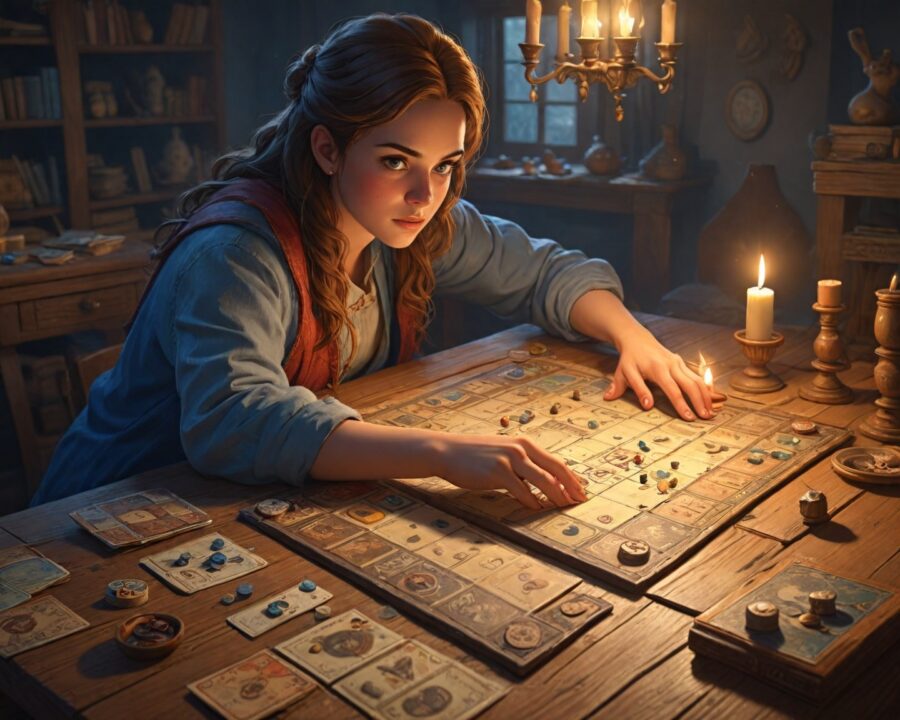
Introduction to Bizarre Games in History
Throughout history, human societies have exhibited a passion for play, manifesting in a kaleidoscope of games that reflect the creativity, culture, and sometimes the peculiar nature of the times. From ancient civilizations to the modern era, these pastimes have ranged from the recognizably competitive to the utterly bizarre. In our exploration of strange historical games, we not only uncover wild spectacles and the whimsical competitions of bygone eras but also peek into the past to understand the values and beliefs that drove such peculiar practices.
Bizarre games in history offer more than just entertainment or sport; they provide a window into the eclectic tapestry of human experience. By examining these unusual pursuits, we gain insight into how games have evolved and how they have been used to express creativity, social norms, and even defy conventions. This article focuses on ten games that highlight humanity’s strange yet fascinating relationship with play.
The Cultural Significance of Strange Games
Strange historical games are more than curiosities to amuse ourselves with; they are integral parts of societies that created them, reflecting cultural values and social structures. Such games often reveal what past civilizations valued, how they viewed competition, and their approach to leisure.
In many cultures, these games enabled people to display their prowess or honor their gods. In some cases, games were devised to resolve conflicts without bloodshed or decide leadership roles. For example, in ancient Mesoamerica, the ballgame known as Pitz held religious significance, serving as a symbolic battle between the forces of life and death.
Furthermore, bizarre games can serve as cultural markers, identifying a group or era. Whether it involves chasing a wheel of cheese down a hill in Gloucestershire or playing chess with living pieces, these activities often offer outsiders a glimpse into the traditions and unique eccentricities of a culture.
Weird Ancient Sports from Around the World
Delving into ancient times, we find an array of games that stand out for their unusual rules and contexts. In ancient China, cuju was a form of soccer played as early as the Han Dynasty (206 BC – AD 220), notable for using a ball filled with feathers. This game was both a military training exercise and a social endeavor, reflecting its dual role in society.
Similarly, the Greeks partook in an event known as the Platanistas, a combat sport played on an island near Sparta. The objective was as straightforward as the combat methods: push opponents into the surrounding water, a game that not only entertained but emulated the combat skills of warriors.
In India, kabaddi, which involves a raid and subsequent wrestling moves, holds deep traditional roots and displays physical strength. This ancient game divides players into the raider and the opposing team and continues to be popular in the region today.
Unusual Medieval Games and Their Origins
Medieval societies were no strangers to odd forms of play, with games often intertwining elements of folklore and practical function. One such game, stoolball, is believed to be an ancestor of modern cricket, involving the use of a stool to bat a ball—legend has it milkmaids created the game using milking stools.
Another medley of medieval sport comes from the chaotic game of mob football, particularly popular across England. Played in streets and fields alike, it involved entire villages, few rules, and a propensity for roughness that feels more akin to modern rugby or even brawling.
The festival of the Fool in medieval France featured odd games that satirized societal norms, like the “Election of the King of Fools,” where a chosen “fool” ruled for a day, turning social hierarchies on their heads through humor and games.
The Most Bizarre Games of the 19th Century
The 19th century was a period of innovation not only in industry and technology but also in recreational pursuits. The game of shin-kicking, which emerged in England, involved players striking each other’s shins with metal-toed boots until one opponent surrendered. Gory and intense, it demonstrates both a penchant for endurance and a peculiar form of entertainment.
Similarly, Inuit games from the 19th century, like the knuckle hop, tested grit and resilience, determining who could move the furthest on knuckles alone—a game reflecting survival themes essential to the culture.
Tug-of-war, often seen as a simple test of strength today, was a significant game during this era, staged in grand competitions and often symbolizing teamwork and strategy in both physical and symbolic domains.
Modern Interpretations of Historical Games
Today, many historical games undergo modern reinterpretations, adapted to suit contemporary sensibilities and contexts. They balance preservation of the original spirit while ensuring safety and inclusiveness.
For instance, the game of horseball, a blend of rugby and basketball with horses, revives the medieval sport of buzkashi and provides a safe, regulated environment for players today. Similarly, attempts to recreate Viking knattleikr offer insights into Norse mythology and skillsets while remaining an entertaining pastime.
These adaptations not only keep the games alive but elevate them beyond mere historical curiosity, making them a vibrant part of cultural heritage and recreation today.
The Psychology Behind Creating Strange Games
The creation of strange historical games can often be traced to intrinsic human needs for competition, social interaction, and sometimes, catharsis. Many games were born from the necessity to resolve life-threatening conflicts into symbolic gestural resolutions.
Moreover, the psychological need to confront fears or challenges within a structured and communal setting often results in the creation of games that mimic these dangers in controlled environments. For instance, medieval jousting could be seen as both a simulation of combat skills and a bravado-driven social spectacle.
In essence, engaging in bizarre games fulfills deep-seated psychological drives, providing a space where communities can safely push boundaries, explore identities, and reinforce social bonds.
How Bizarre Games Reflect Societal Values
Examining strange historical games provides an invaluable lens into societal values of their times. These pastimes often underscore priorities such as strength, bravery, or community collaboration. Whether it’s individual prowess in games like the Anastenaria fire-walking festival of Greece or communal unity found in Gaelic hurling, each game provides insight into what was revered or essential to societal cohesion and identity.
Additionally, many games served as rituals or public displays to reinforce societal hierarchies or to offer forms of resistance against them. This dual role highlights the adaptability and latent power games held within historical contexts, acting as both conformist and subversive mechanisms.
Common Questions About Historical Games
What are some examples of games that still exist today?
Games such as kabaddi, derived from ancient traditions, continue to thrive in South Asia, while sports like tug-of-war enjoy popularity globally. Their endurance is a testament to their cultural and entertainment value.
How do bizarre games differ from mainstream sports?
Bizarre games often involve unconventional objectives, rules, and origins that diverge significantly from the structured competition and global standardization found in mainstream sports.
Are any historical games dangerous?
Yes, many historical games like shin-kicking and mob football were potentially dangerous. Modern adaptations frequently include safety measures to mitigate these risks.
What role did gender play in bizarre games?
Gender roles varied widely; some games were exclusively male, promoting war skills, while others allowed broader participation, highlighting women’s roles and communal identity.
How do strange historical games impact modern recreational activities?
By inspiring contemporary games and sports, strange historical games influence modern design, rules, and cultural expressions, preserving traditions while evolving them.
Did politics play a role in historical games?
Yes, politics often intermingled. Games could symbolize power struggles, territorial disputes, or social commentaries, acting as non-violent conflict resolution or propaganda.
Why do we find these games fascinating today?
Their uniqueness, historical context, and reflection of bygone social norms intrigue us, offering entertainment and insights into the cultural evolution of play and society.
How to Explore and Experience These Games Today
For those interested in reliving the past, many historical festivals and reenactment societies offer opportunities to engage with these games. From the Highland Games showcasing ancient Scottish sports to plaza festivals featuring indigenous games in North America, there’s ample opportunity to watch or participate.
Moreover, museums often curate exhibits with interactive components, letting visitors understand the equipment or rules of historical games. Online platforms provide virtual experiences, combining historical research with immersive gameplay, promoting a dynamic exploration of these captivating pastimes.
In conclusion, bizarre games throughout history encapsulate a wealth of cultural, social, and psychological insights, weaving a vibrant tapestry of human experience. Understanding, participating in, and reinterpreting these games continues to bind us to the past while enriching our present cultural landscape.
Recap
Bizarre games in history serve as potent reflections of cultural identity and societal values. From ancient ballgames with spiritual significance to medieval sports enacting social order reversals, these games encapsulate the evolution of play in human history. Through modern reinterpretations, we preserve and engage with these traditions, ensuring their continued influence on contemporary recreation and cultural heritage.