
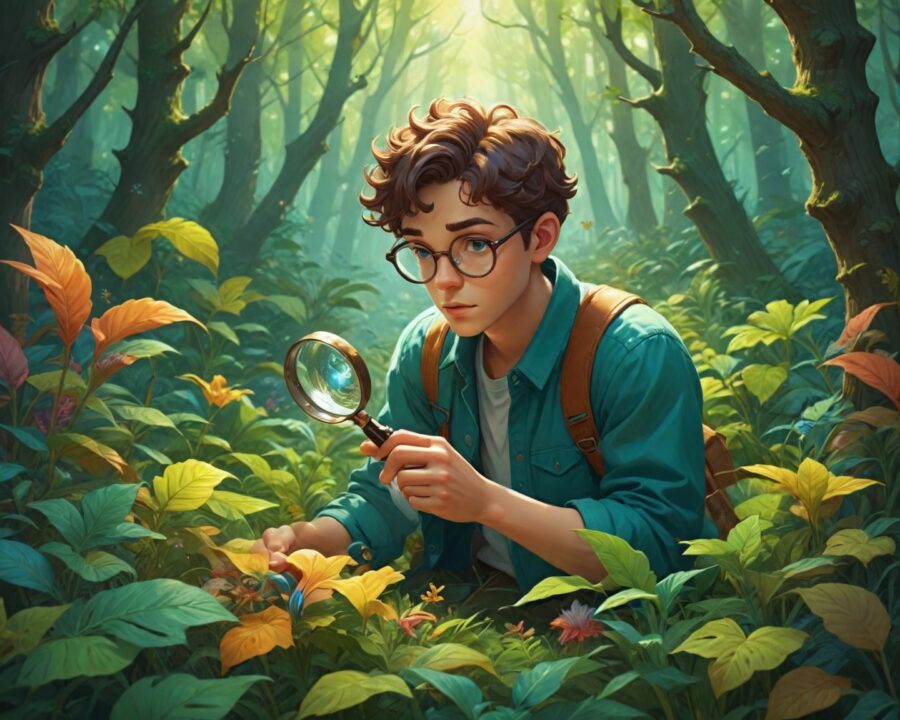
Introduction to the Wonders of Nature
Nature has always been a source of wonder and inspiration for humanity. From the vast, majestic mountains to intricate ecosystems hidden beneath the ocean’s waves, the natural world offers an endless array of surprises. It is in these surprises that we often find our greatest inspirations; the chance to marvel at the complex intricacies of life, and the opportunity to learn from these breathtaking phenomena.
Exploring nature trivia isn’t just about uncovering random facts. It’s an endeavor that can deepen our appreciation for the ecosystems that support life on Earth and highlight just how adaptable, resilient, and innovative life can be. As we delve into these 10 amazing nature facts, we invite you to develop a greater understanding of the world around you and perhaps even apply these insights into your own life and innovations.
Unbelievable Animal Adaptations
The animal kingdom is full of incredible adaptations that allow species to survive in diverse environments. Some of these adaptations can seem almost like science fiction. For instance, the tardigrade, also known as the water bear, can survive extreme conditions that would be lethal to most other forms of life, including space! These tiny creatures can endure extreme temperatures, high radiation, and even the vacuum of space by entering a cryptobiotic state until conditions improve.
Camouflage is another adaptation seen across nature, used by predators and prey alike for survival. The octopus, known for its intelligence, can change its skin color and texture to blend seamlessly with its surroundings. This not only helps in avoiding predators but also plays a critical role in hunting unsuspecting prey.
Even more astonishing is the ability of some animals to regenerate lost parts. The axolotl, a Mexican salamander, can regenerate entire limbs, spinal cords, hearts, and even parts of their brains. Studying these animals provides valuable insights into potential medical advancements for humans.
Fascinating Plant Survival Strategies
Plants, though rooted in place, have developed a myriad of ways to survive and thrive in varied environments. One remarkable survival strategy is seen in the desert-dwelling cacti. By storing water in their thick, fleshy tissues, cacti can survive long periods of drought, their spines providing shade to reduce water loss and deter herbivores.
In the forests, certain plants like the Venus flytrap have developed carnivorous traits to combat nutrient-poor soils. By trapping and digesting insects, these plants supplement their nutrient intake, ensuring their growth and survival in challenging conditions.
Some plant species have even developed symbiotic relationships to aid their survival. For instance, legumes form partnerships with nitrogen-fixing bacteria, providing the plants with the essential nutrients needed to grow in otherwise inhospitable soils.
Incredible Natural Phenomena Around the World
The Earth is home to some phenomenal occurrences that continue to astonish even the most seasoned scientists. One such phenomenon is the Northern Lights, or Aurora Borealis, where solar particles collide with gases in Earth’s atmosphere, creating mesmerizing displays of light across polar skies.
Another awe-inspiring phenomenon is the bioluminescent waves of the ocean. Caused by plankton known as dinoflagellates, these glowing waters can be seen in various locations worldwide, creating a magical experience for nighttime beachgoers.
Less known but equally fascinating are the mud volcanoes, which can be found in places like Azerbaijan. These formations release gas and mud intermittently, and although they resemble traditional volcanoes, they involve a less fiery and more muddy display.
The Science Behind Nature’s Beauty
The beauty of nature is not just seen but felt, often invoking a sense of peace and connection. Scientifically, colors in nature are not random but functional. Flowers use pigmentation, and sometimes even mimicry, to attract pollinators, ensuring the continuation of species.
Symmetry in nature often attracts human admiration. For instance, the spiral patterns found in sunflowers and hurricanes, and even in the structure of galaxies, follow a mathematical principle known as the Fibonacci sequence, which plays a role in efficient distribution and growth processes in nature.
Furthermore, the concept of fractals—repeated patterns at different scales—is evident in the branching of trees, river networks, and even the structure of snowflakes. This self-repeating nature captures our imaginations and inspires advancements in fields such as visual art and computer graphics.
Rare and Unique Ecosystems
Ecosystems that are rare and unique offer a glimpse into the richness of biodiversity. The Madagascar rainforest, for instance, is home to species that exist nowhere else on Earth, including the mysterious aye-aye lemur and countless plant species.
In the aquatic realm, coral reefs stand as one of the world’s most diverse ecosystems. Despite covering less than 1% of the ocean floor, they are home to more than 25% of marine species, showcasing the vibrant life that exists under the sea.
Another captivating ecosystem is the Galápagos Islands. These islands are where Charles Darwin formed his theory of evolution by natural selection. The unique conditions of these isolated islands led to the evolution of species such as the giant tortoises and Darwin’s finches.
| Ecosystem | Unique Traits |
|---|---|
| Madagascar Rainforest | Home to many endemic species, unique fauna and flora |
| Coral Reefs | Biodiverse, crucial for marine life |
| Galápagos Islands | Evolutionary laboratory, diverse habitats |
How Nature Inspires Human Innovation
Throughout history, humans have drawn inspiration from nature to address challenges and invent new technologies. Biomimicry is a field where natural designs influence technology. The study of bird flight has led to advancements in aviation, and the structure of shark skin has inspired more efficient swimwear and ships that reduce drag.
Nature-inspired architecture is another area where we borrow from the natural world’s playbook. Structures that mimic termite mounds use temperature regulation designs that maximize energy efficiency. In robotics, the movement of spiders and other arthropods informs the creation of robots that can navigate difficult terrains.
The inspiration drawn from nature offers sustainability solutions and innovative ideas. As we continue to face global challenges, looking to nature’s vast reservoir of knowledge becomes more critical than ever.
Common Myths About Nature Debunked
Misconceptions about nature often arise from a lack of understanding or scientific knowledge. One common myth is that touching a baby bird will cause its mother to abandon it. In reality, most birds rely on sight rather than smell and will continue to care for their offspring even if a human has handled them.
Another prevalent myth is that bats are blind. Bats actually have good eyesight and rely on echolocation for navigation. This intricate system allows them to capture prey and navigate complex environments with precision.
A third myth suggests that snakes are slimy creatures. On the contrary, a snake’s skin is dry and smooth, making them fascinating but misunderstood creatures of the animal kingdom.
Practical Ways to Connect with Nature
Despite the increasing pace of modern life, there are numerous ways to reconnect with nature. One simple way is through mindful walks in natural settings, which can boost mental health and overall well-being. These walks help reduce stress, improve mood, and foster a sense of interconnectedness with the environment.
Another way to connect with nature is through community gardens or home gardening. This not only cultivates a connection with nature but also promotes sustainable practices and access to fresh produce.
Volunteering for conservation projects is both fulfilling and impactful. Activities range from tree planting initiatives to participating in wildlife surveys, all of which promote the health and preservation of ecosystems.
Conclusion: Why Understanding Nature Matters
Understanding the marvels of nature is essential for more than just appreciating its beauty. Nature trivia provides insights into the intricate systems that govern life on our planet and the remarkable adaptations that allow creatures to thrive in diverse conditions. Recognizing these facts encourages conservation, fosters innovation inspired by natural mechanisms, and deepens the human-nature connection.
In our rapidly changing world, this understanding informs decisions that impact ecological sustainability. By listening more closely to nature’s wisdom, we not only safeguard the environment for future generations but also enrich our own lives with the joys and learnings nature so generously offers.
Frequently Asked Questions
What is biomimicry, and how does it relate to nature?
Biomimicry is the practice of looking to nature for inspiration in solving human problems. It involves emulating design solutions found in nature to innovate sustainable technologies and processes.
Are all plants in rainforests toxic?
Not all rainforest plants are toxic, but some have evolved chemical defenses to deter herbivores. Many plants have been found to have medicinal properties, and rainforests are often termed as nature’s pharmacy.
How do coral reefs maintain their biodiversity?
Coral reefs provide complex habitats that support a wide variety of marine life. The structure of coral reefs offers shelter, breeding grounds, and resources necessary for the survival of numerous species.
Can all animals regenerate lost body parts?
Not all animals can regenerate lost parts. While some, like the axolotl, have remarkable regenerative abilities, most animals have limited capacity for regeneration.
What is the Fibonacci sequence, and where can it be seen in nature?
The Fibonacci sequence is a series of numbers where each number is the sum of the two preceding ones. It appears in natural patterns like the arrangement of leaves, flower petals, and the reproduction of various plants.
Why do animals camouflage?
Animals camouflage to avoid predators, sneak up on prey, or blend into their environment. This adaptation increases their chances of survival and reproduction.
How can spending time in nature improve mental health?
Spending time in nature has been linked to reduced stress, improved mood, and increased focus. It encourages physical activity, provides opportunities for reflection, and fosters a sense of tranquility and connection to the world.
Recap
This article explored the wonders of nature through awe-inspiring adaptations, survival strategies, and natural phenomena. We delved into the science behind these marvels, debunked common myths, and discussed how nature’s ingenuity inspires human innovation. We highlighted rare ecosystems that contribute to our planet’s biodiversity and provided practical ways for individuals to reconnect with nature. Understanding and appreciating these aspects underscore the importance of conserving our natural world and learning from its immense wisdom.